
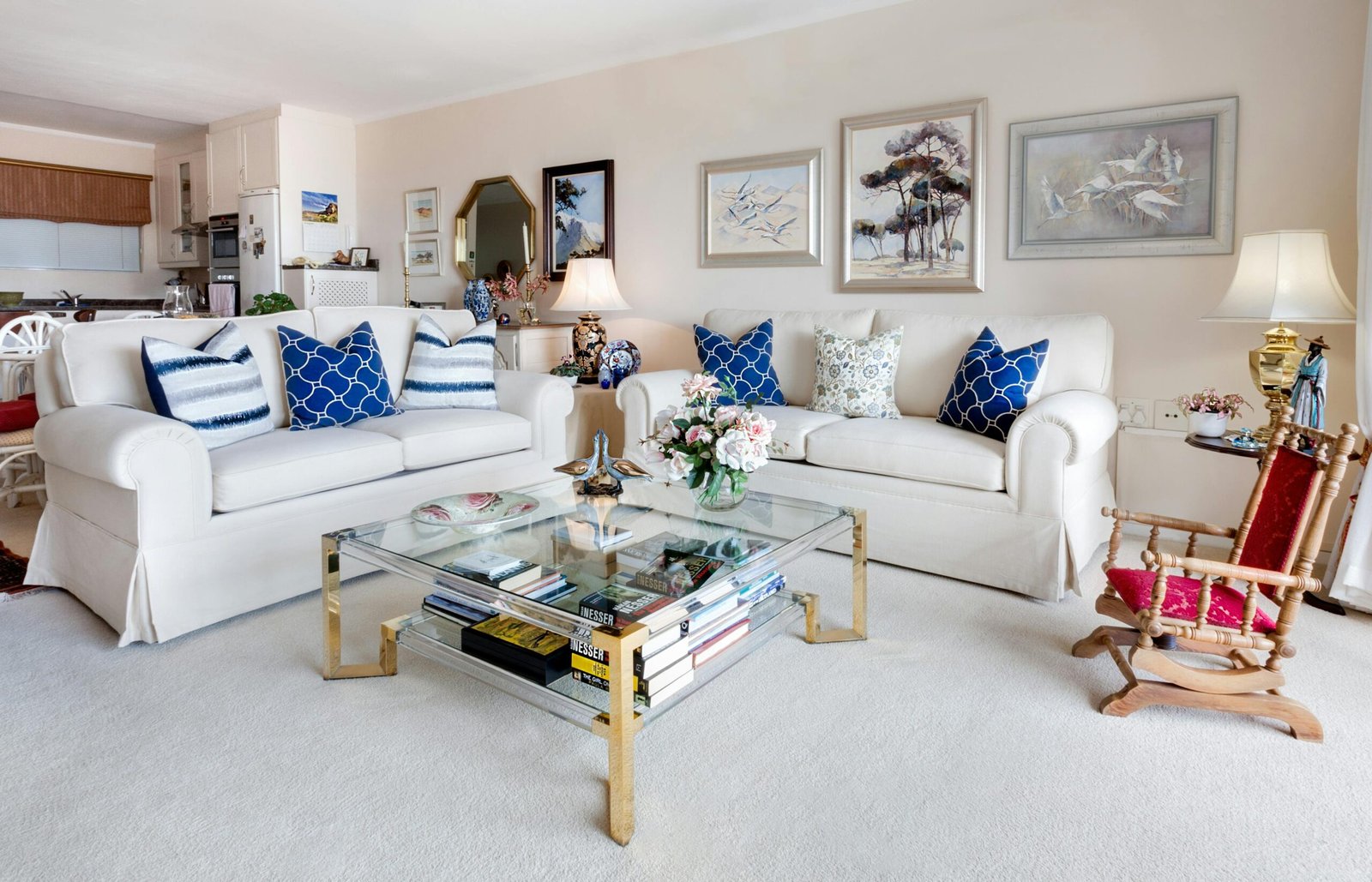
Creating a beautiful and functional living room is a dream shared by many homeowners. With the right guidance, you can turn your living space into a magazine-worthy haven that reflects your personal style.
Expert-backed design tips can help you achieve this transformation. By following a well-planned design process, you can create a living room that is both aesthetically pleasing and functional.
Our step-by-step guide will walk you through the process of decorating your living room, from conceptualization to completion. With practical advice and inspiring ideas, you’ll be able to create a space that you’ll love spending time in.
Table of Contents
Assessing Your Living Room Space
Assessing your living room space is a crucial step in creating a beautiful and functional area. This process involves understanding the room’s dimensions, architectural features, and natural light sources. By doing so, you can make informed decisions about your living room design.
Measuring Your Living Room Dimensions

To start, measure your living room’s dimensions, including the length, width, and any obstacles like heating vents or electrical outlets. Use a tape measure to get accurate readings, and consider creating a floor plan to visualize your space. This will help you choose the right furniture size and layout.
| Dimension | Measurement | Consideration |
|---|---|---|
| Length | 15 feet | Furniture placement |
| Width | 12 feet | Traffic flow |
| Doorway width | 3 feet | Furniture entry |
Identifying Architectural Features and Focal Points
Identify your living room’s architectural features, such as built-in shelves, large windows, or a statement fireplace. These elements can serve as focal points, drawing attention and influencing your decorating decisions. Consider how to highlight these features with your decor.
Evaluating Natural Light Sources
Evaluate the natural light sources in your living room, including the number and size of windows, as well as their orientation. This will help you determine the best placement for furniture and lighting fixtures. Additionally, consider using sheer curtains or blinds to control the amount of light entering the room.
By following these steps, you can create a well-designed living room that is both functional and aesthetically pleasing, even in small spaces. For more living room design tips, consider consulting with an interior designer or exploring online resources.
Determining Your Decorating Style
Defining your personal style is a crucial step in creating a living room that truly feels like home. Your decorating style is a reflection of your personality, interests, and lifestyle.
To start, consider the overall aesthetic you want to achieve in your living room. Think about the colors, textures, and furniture pieces that appeal to you.
Popular Living Room Styles
Living rooms can be broadly categorized into several popular styles, including modern, traditional, rustic, and minimalist. Modern living rooms often feature sleek lines, minimal ornamentation, and an emphasis on functionality. In contrast, traditional living rooms are characterized by classic furniture pieces, rich colors, and ornate details.
Creating a Mood Board
A mood board is a visual representation of your decorating style, helping you to clarify your design preferences. To create a mood board, gather images, fabrics, and other materials that evoke the desired mood for your living room. You can use a physical board or a digital tool to curate your selections. Incorporating DIY living room decor elements into your mood board can also help you visualize unique, personalized touches.
Blending Different Design Elements
Once you have a clear sense of your decorating style, you can begin blending different design elements to create a cohesive look. This might involve mixing modern furniture with traditional textiles or combining bold colors with neutral tones. The key is to strike a balance between contrasting elements, creating a harmonious and inviting atmosphere in your living room.
Choosing a Color Scheme
A well-chosen color scheme can transform your living room into a cozy retreat or a modern oasis. The right colors can enhance the ambiance, influence the mood, and even affect the perceived size of the room.
Color Psychology for Living Spaces
Colors have a profound impact on our emotions and behaviors. For instance, blue hues are known to promote relaxation, making them ideal for a cozy living room. On the other hand, vibrant colors like orange can stimulate conversation and energy, perfect for a modern living room decor.
Creating a Cohesive Palette
To create a cohesive color palette, start by selecting a dominant color, then choose one or two complementary colors. Consider the 60-30-10 rule: 60% dominant color, 30% secondary color, and 10% accent color. This balance ensures a harmonious and visually appealing atmosphere.
| Color Role | Percentage | Example Colors |
|---|---|---|
| Dominant | 60% | Soft Gray, Cream |
| Secondary | 30% | Warm Beige, Light Blue |
| Accent | 10% | Vibrant Orange, Deep Green |
Accent Colors and How to Use Them
Accent colors add depth and personality to your living room. Use them sparingly through accessories like throw pillows, rugs, or artwork. For a cozy living room decorating ideas, consider earthy tones as accents to bring warmth and coziness.
By thoughtfully choosing your color scheme, you can create a living room that is both beautiful and functional, reflecting your personal style and preferences.
How to Decorate a Living Room Step by Step: The Furniture Plan
The key to a beautifully decorated living room lies in its furniture plan. A well-thought-out furniture arrangement can elevate the aesthetic of your space, making it more inviting and functional.
Essential Living Room Furniture Pieces
When planning your living room furniture, it’s crucial to start with the essentials. These typically include a sofa, armchairs, a coffee table, and a TV stand or media console. For smaller living rooms, consider multi-functional pieces like a storage ottoman or a nesting table to maximize space.
Must-have furniture pieces for a living room:
| Furniture Piece | Function | Considerations |
|---|---|---|
| Sofa | Seating | Size, material, color |
| Coffee Table | Surface for drinks and decor | Height, material, storage |
| Armchairs | Additional seating | Style, comfort, scale |
Furniture Arrangement Principles
Arranging your furniture thoughtfully is key to creating a harmonious living room. Start by identifying the room’s focal point, such as a fireplace or a large window, and arrange your furniture around it. Ensure there’s a clear path for movement and conversation areas are cozy and intimate.
For small living rooms, consider floating furniture away from walls to create a sense of openness. Use rugs to define different areas within the room, such as a seating area or a reading nook.
Scale and Proportion Considerations
Scale and proportion are vital when selecting and arranging furniture. A large sectional sofa might overwhelm a small room, while a tiny coffee table can get lost in a spacious living room. Measure your room and furniture carefully to ensure a balanced look.
When decorating a small living room, opt for sleek, low-profile furniture that won’t visually clutter the space. In larger rooms, you can incorporate more substantial pieces, like a large armchair or a statement console table.
Selecting and Positioning Lighting
The right lighting can make or break the atmosphere of your living room, making it a cozy retreat or a vibrant social hub. Proper lighting not only enhances the aesthetic appeal of your decor but also improves the functionality of the space.
Types of Living Room Lighting
Living room lighting can be categorized into three main types: ambient, task, and accent lighting. Ambient lighting provides overall illumination, task lighting is used for specific activities like reading, and accent lighting highlights decorative features.
| Type of Lighting | Purpose | Examples |
|---|---|---|
| Ambient | Overall illumination | Ceiling fixtures, floor lamps |
| Task | Specific activities | Table lamps, under-cabinet lighting |
| Accent | Highlighting features | Spotlights, LED tape |
Creating Layered Lighting Effects
Layered lighting involves combining different light sources to create a visually appealing and functional space. By mixing ambient, task, and accent lighting, you can achieve a balanced look that enhances your diy living room decor.
Smart Lighting Solutions
Smart lighting solutions offer convenience, energy efficiency, and flexibility. You can control smart bulbs and fixtures remotely, adjust brightness, and change colors to suit your mood or occasion, all while keeping your inexpensive living room decor intact.
By carefully selecting and positioning your lighting, you can significantly enhance your living room’s ambiance and functionality, making it a welcoming space for relaxation and socializing.
Wall Treatments and Decor
A well-designed living room begins with thoughtful wall treatments that set the tone for the entire space. The right wall decor can transform a bland room into a vibrant and inviting area.
Paint, Wallpaper, and Texture Options
When it comes to wall treatments, you have several options to consider. Paint is a versatile choice, offering a wide range of colors to match any decor. Wallpaper can add a unique texture and pattern, creating a focal point in the room. Texture options, such as wood paneling or fabric walls, can add depth and visual interest.
Comparison of Wall Treatments
| Wall Treatment | Cost | Installation Difficulty | Aesthetic Appeal |
|---|---|---|---|
| Paint | Low | Easy | High |
| Wallpaper | Moderate | Moderate | Very High |
| Texture Options | High | Challenging | High |
Creating a Gallery Wall
A gallery wall is a fantastic way to add personality to your living room. Start by choosing a unifying theme or color scheme for the pieces you’ll display. Then, arrange the items on the floor to get a sense of the layout before hanging them on the wall.

Statement Wall Ideas
A statement wall can be a bold addition to your living room decor. Consider using a bold paint color, a large piece of art, or an oversized mirror to create a focal point. This can help draw the eye to a particular area of the room and create visual interest.
By incorporating these wall treatment and decor ideas, you can create a living room that is both stylish and inviting, reflecting your personal style and preferences.
Flooring and Rug Selection
The right flooring and rug can transform your living room into a cozy retreat. When it comes to cozy living room decorating ideas, the flooring and rug are foundational elements that can make or break the ambiance.
Choosing the Right Rug Size and Material
Selecting a rug that is the right size and material is crucial. For a small living room, a rug that is too small can make the space feel disjointed, while one that is too large can overwhelm it. Consider a rug with a material that complements your decor and is durable enough for your lifestyle.
Rug Placement Techniques
Proper rug placement can enhance the visual appeal of your living room. For a cozy feel, consider placing a rug under the main seating area, ensuring that the front legs of the furniture are on the rug. This creates a sense of cohesion and warmth.
Coordinating Flooring with Your Decor
When decorating a small living room, it’s essential to choose flooring that complements your decor. Hardwood flooring can add warmth, while tile can provide a sleek, modern look. Ensure that your flooring choice aligns with your overall design theme to create a harmonious space.
By carefully selecting your flooring and rug, you can create a living room that is both stylish and inviting. Remember, the key to a cozy living room is in the details, from the rug’s texture to the flooring’s finish.
Adding Accessories and Personal Touches
Elevate your living room’s ambiance with thoughtful accessories and personal touches. These elements can transform a space from ordinary to extraordinary, reflecting your personality and style.
Decorative Pillows and Throws
Decorative pillows and throws are an easy and effective way to add color, texture, and warmth to your living room. Choose materials and patterns that complement your existing decor, and don’t be afraid to mix and match for a layered look.
Tips for selecting decorative pillows and throws:
| Material | Pattern | Color |
|---|---|---|
| Velvet, linen, or cotton | Stripes, florals, or geometric | Neutral tones or bold hues |
| Cable knit or faux fur | Solids or subtle textures | Earth tones or vibrant colors |
Styling Bookshelves and Surfaces
Styling your bookshelves and surfaces can add a personal touch to your living room. Balance decorative items with functional pieces, and group similar objects together for a cohesive look.

Incorporating Plants and Natural Elements
Incorporating plants and natural elements can bring a sense of calm and serenity to your living room. Choose low-maintenance plants like succulents or air plants if you’re new to plant parenthood.
Benefits of incorporating plants:
- Air purification
- Aesthetic appeal
- Stress reduction
By incorporating these elements, you can create a living room that is not only beautiful but also reflects your personal style and love for DIY living room decor and living room decor ideas.
Budget-Friendly Living Room Decorating Ideas
Decorating your living room on a budget is easier than you think. With a little creativity, you can transform your space into a cozy and inviting area without breaking the bank.
DIY Living Room Decor Projects
Engage in DIY projects to add a personal touch to your living room. You can create your own decorative pillows, throw blankets, or even refurbish old furniture to give it a new look. Websites like Pinterest offer a plethora of ideas and tutorials to get you started.
Some simple DIY projects include making a gallery wall using family photos or creating a statement piece from reclaimed wood.
Thrifting and Upcycling Tips
Thrifting and upcycling are great ways to find unique pieces for your living room while staying within your budget. Visit local thrift stores or online marketplaces to find hidden gems. With a bit of creativity, you can upcycle old items into functional decor.
Inexpensive Living Room Transformations
Simple changes can make a significant difference. Rearranging your furniture, adding new throw pillows, or incorporating plants can refresh your living room’s look without a hefty price tag.
| Idea | Cost | Impact |
|---|---|---|
| DIY Decorative Pillows | $10-$20 | High |
| Thrift Store Finds | $5-$50 | Medium |
| Rearranging Furniture | $0 | High |
By incorporating these budget-friendly ideas, you can create a beautiful and inviting living room that reflects your style without overspending.
Modern and Cozy Living Room Design Tips
Creating a modern and cozy living room is all about striking the perfect balance between style and comfort. A well-designed living room should not only reflect your personal taste but also serve as a warm and inviting space for relaxation and socializing.
Creating a Warm and Inviting Atmosphere
To create a warm and inviting atmosphere in your living room, focus on incorporating elements that promote coziness, such as plush throw blankets, soft rugs, and warm lighting. Consider using a mix of table lamps, floor lamps, and string lights to achieve a layered lighting effect that adds depth and warmth to the space.
Incorporating Modern Design Elements
Incorporating modern design elements into your living room can be achieved through the use of sleek furniture, minimalist decor, and contemporary color schemes. Consider adding a statement piece, such as a modern art sculpture or a bold piece of furniture, to serve as a focal point in the room.
Balancing Style and Comfort
Balancing style and comfort in your living room is crucial for creating a space that is both beautiful and functional. This can be achieved by selecting furniture that is not only stylish but also comfortable and practical. For example, a sleek, low-profile sofa can be paired with a plush, oversized armchair to create a cozy seating area.
Design Tips Summary
| Design Element | Modern Approach | Cozy Approach |
|---|---|---|
| Furniture | Sleek, minimalist designs | Plush, oversized pieces |
| Lighting | Layered lighting with modern fixtures | Warm, soft lighting with table lamps |
| Color Scheme | Monochromatic or bold accent colors | Warm neutrals with rich textures |
Conclusion
Decorating your living room can be a daunting task, but by following the step-by-step guide outlined in this article, you can create a space that is both beautiful and functional. From assessing your living room space to adding accessories and personal touches, we’ve covered the essential steps to help you achieve your desired look.
By understanding how to decorate a living room step by step, you can bring your unique style to life. Whether you’re looking for modern and cozy living room design tips or budget-friendly living room decorating ideas, the key is to create a space that reflects your personality and meets your needs.
With these living room decor ideas, you’re well on your way to creating a warm and inviting atmosphere that you’ll love spending time in. So, start planning your dream living room today and make it a reality.
Read More: How to Design a Retro Chic Living Room with Mid-Century Modern Flair
FAQ
How do I start decorating my living room?
Begin by assessing your living room space, measuring dimensions, identifying architectural features, and evaluating natural light sources to determine the best decorating approach.
What are some popular living room decorating styles?
Popular styles include modern, traditional, minimalist, and cozy, each with its unique characteristics and design elements that can be blended to create a cohesive look.
How do I choose a color scheme for my living room?
Consider color psychology, create a cohesive palette, and use accent colors effectively to enhance the ambiance and style of your living room.
What are the essential furniture pieces for a living room?
Essential pieces include a sofa, armchair, coffee table, and TV stand, which should be arranged according to principles of scale, proportion, and balance.
How can I make my small living room look bigger?
Use light colors, minimize clutter, and select multi-functional furniture to create a sense of space and optimize the room’s functionality.
What are some budget-friendly living room decorating ideas?
Consider DIY projects, thrifting, upcycling, and inexpensive decor items to transform your living room without breaking the bank.
How do I create a cozy atmosphere in my living room?
Incorporate warm lighting, comfortable textiles, and natural elements, and balance style with comfort to create a cozy and inviting atmosphere.
What are some modern living room decorating ideas?
Incorporate modern design elements, such as clean lines, minimal ornamentation, and innovative materials, to create a sleek and contemporary look.
How do I layer lighting in my living room?
Use a combination of overhead lighting, table lamps, and floor lamps to create layered lighting effects that enhance the ambiance and functionality of the room.
What are some tips for decorating a living room with a rug?
Choose the right rug size and material, use rug placement techniques, and coordinate flooring with your decor to add warmth and texture to the room.