
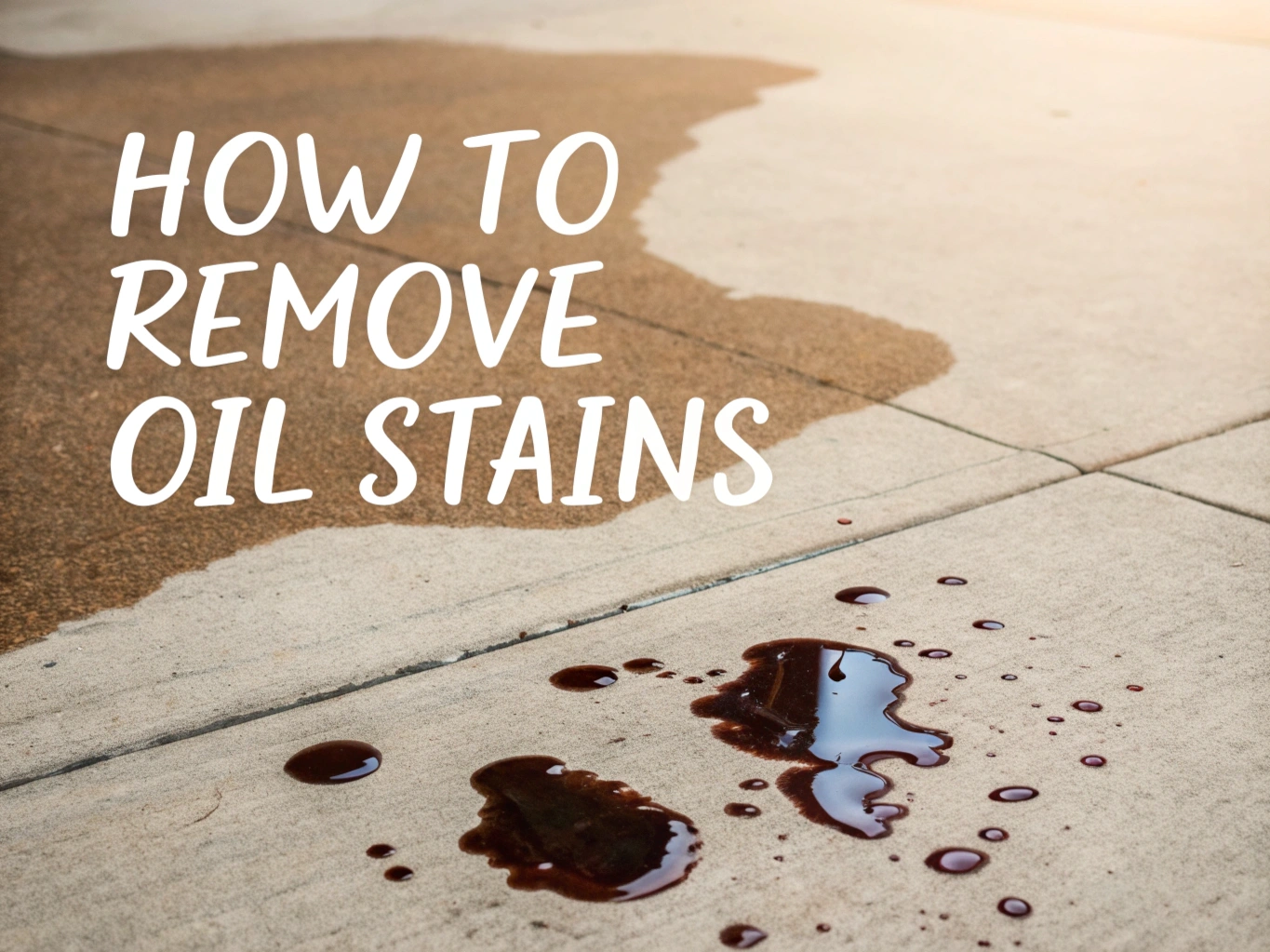
We’ve all been there – you’re cooking dinner, and despite your best efforts, oil splatters everywhere, leaving unsightly stains on your clothes. It’s frustrating to say the least.
At first, the stain might not seem like a big deal, but if left untreated, it can become a stubborn problem. The good news is that there are effective ways to tackle oil stains, and we’re here to guide you through the process.
Whether it’s on your favorite shirt or a kitchen surface, oil stains can be a real nuisance. But don’t worry, we’ve got you covered.
Table of Contents
Understanding Different Types of Oil Stains

Oil stains can happen anywhere, and understanding their types is crucial for effective removal. Whether it’s from cooking, automotive work, or other sources, identifying the type of oil stain is the first step towards removing it.
Different types of oil stains have distinct characteristics and require specific removal techniques. Knowing the source and nature of the stain can significantly improve the chances of successful removal.
Common Household Oil Stains
Common household oil stains often result from daily activities such as cooking or using lubricants. These stains can be particularly challenging because they can penetrate deep into fabrics or surfaces.
Automotive and Mechanical Oil Stains
Automotive and mechanical oil stains are typically associated with garages or workplaces where machinery is used. These stains are often more stubborn due to the type of oil used in vehicles and machinery.
Food-Based Oil Stains
Food-based oil stains, such as those from salad dressings or cooking oils, are common in kitchens. These stains can be particularly tricky on fabrics and require immediate attention for effective removal.
To better understand the different types of oil stains, let’s look at a summary:
| Type of Oil Stain | Common Sources | Characteristics |
|---|---|---|
| Household | Lubricants, cleaning products | Can penetrate deep into surfaces |
| Automotive/Mechanical | Engine oil, machinery lubricants | Often more stubborn, can leave residue |
| Food-Based | Cooking oils, salad dressings | Can be tricky on fabrics, requires immediate attention |
By understanding the different types of oil stains, individuals can adopt the most effective diy oil stain removal techniques, whether it’s for removing oil stains from clothes or other surfaces. Effective oil stain removal starts with identifying the stain type and applying the appropriate removal method.
Essential Supplies for Oil Stain Removal
To tackle oil stains, you’ll need to arm yourself with the right removal tools. The good news is that you don’t have to break the bank or resort to harsh chemicals to get the job done. Both commercial and natural DIY solutions can be effective.
Commercial Oil Stain Removers
Commercial oil stain removers are readily available at most hardware stores and supermarkets. Products like OxiClean and Shout are popular choices for tackling tough oil stains on clothing and fabrics. These products are specifically designed to break down and lift oil, making it easier to remove the stain.
Natural and DIY Oil Stain Removal Products
For those who prefer a more natural approach or want to avoid harsh chemicals, DIY oil stain removal products are a great alternative. Household items like baking soda, dish soap, vinegar, and lemon juice can be used to create effective stain removal solutions.
Baking Soda and Dish Soap Method
Mixing baking soda with dish soap creates a paste that can be applied directly to the oil stain. Let it sit for a while before washing. This method is particularly effective for fresh oil stains.
Vinegar and Lemon Solutions
Vinegar and lemon juice are natural degreasers that can help break down oil. Applying a solution of equal parts vinegar and water or using lemon juice directly on the stain can help lift it.
Cornstarch and Baby Powder Techniques
Cornstarch and baby powder can absorb oil, making it easier to remove. Sprinkle either powder liberally over the stain, let it sit, and then brush off before washing.
| Method | Ingredients | Effectiveness |
|---|---|---|
| Baking Soda & Dish Soap | Baking soda, dish soap | High |
| Vinegar & Lemon | Vinegar, lemon juice | Medium |
| Cornstarch & Baby Powder | Cornstarch, baby powder | Medium |
Tools and Equipment Needed
In addition to the removal products, having the right tools can make a big difference. A soft-bristled brush can help work the stain remover into the fabric, while a clean cloth or paper towel can be used to blot the stain. For tougher stains, a scrub brush may be necessary.
To help keep that stain from getting too comfortable, squirt some plant-based dish soap onto the stain, first ensuring your garment is color safe. This simple step can make a significant difference in removing the stain effectively.
How to Remove Oil Stains from Fabrics and Clothing
Whether it’s a grease stain from cooking or an oil spill on your shirt, knowing how to remove oil stains from fabrics is essential. Oil stains on clothing and fabrics are not only unsightly, but they can also be challenging to remove if you don’t know the right approach.

Fresh Oil Stain Removal Techniques
Acting quickly is crucial when dealing with fresh oil stains. The longer the stain sits, the harder it is to remove. Here are some immediate actions to take:
Immediate Actions to Take
First, blot the stain with a clean cloth or paper towel to absorb as much of the oil as possible. Avoid rubbing the stain as it can push the oil deeper into the fabric.
Pre-Treatment Methods
Apply a pre-treatment method such as baking soda or a commercial stain remover directly to the stain. Let it sit for a few minutes before washing.
Set-In Oil Stain Removal Methods
For set-in oil stains, a different approach is needed. Soaking the stained fabric can help loosen the oil.
Soaking Techniques
Soak the fabric in a solution of warm water and laundry detergent. For tougher stains, consider using a product specifically designed for oil stain removal.
Stain Remover Applications
Apply a stain remover directly to the stain, following the product’s instructions. Some products may require you to let the stain remover sit for a specified period before washing.
Special Fabrics Considerations
Different fabrics require different care. Delicate or dry-clean-only fabrics need special attention.
Delicate and Dry-Clean Only Fabrics
For delicate fabrics, avoid using harsh chemicals or hot water. Instead, opt for gentle cleaning products and cold water.
Synthetic vs. Natural Fibers
Synthetic fibers like polyester may require different stain removal techniques compared to natural fibers like cotton.
Washing Machine Tips for Oil-Stained Clothes
When washing oil-stained clothes, it’s essential to check the care label first. Use the hottest water safe for the fabric, and consider adding a laundry detergent booster.
| Fabric Type | Recommended Stain Removal Method | Water Temperature |
|---|---|---|
| Cotton | Pre-treatment with baking soda | Hot |
| Polyester | Stain remover application | Warm |
| Delicate/Silk | Gentle soap and cold water | Cold |
By following these effective oil stain removal techniques, you can remove oil stains from your fabrics and clothing, restoring them to their original condition.
Removing Oil Stains from Hard Surfaces
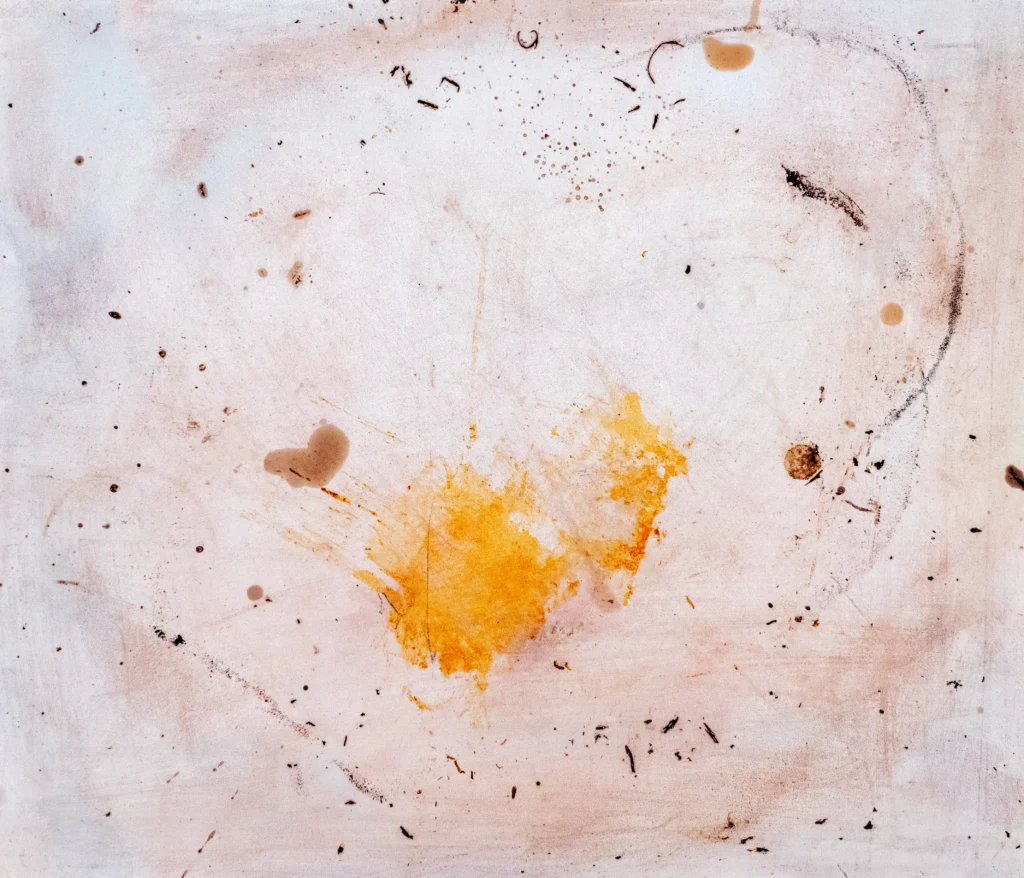
The key to successful oil stain removal from hard surfaces lies in understanding the type of surface you’re dealing with. Different surfaces require different approaches, and using the wrong method can damage the surface or leave residue behind.
Concrete and Driveway Oil Stain Removal
Concrete is a porous surface that can absorb oil deeply, making stain removal challenging. For driveway oil stains, it’s essential to act quickly to prevent the oil from seeping into the concrete.
Power Washing Methods
One effective method for removing oil stains from concrete is power washing. Using a high-pressure washer with a suitable detergent can help lift the stain from the surface. For tougher stains, a degreaser may be necessary.
Absorbent Materials for Concrete
For fresh oil spills on concrete, using absorbent materials like cat litter or sawdust can be an effective first step. These materials soak up the oil, making it easier to remove the stain.
Wood and Laminate Surface Treatment
Wood and laminate surfaces require a gentler approach than concrete. For oil stains on these surfaces, a mild detergent and warm water can be effective. It’s crucial to avoid harsh chemicals that could damage the finish or the material.
Tile, Marble, and Stone Surfaces
Tile, marble, and other stone surfaces can be particularly sensitive to oil stains. Using a poultice made from a cleaning agent and a absorbent material can help draw out the stain. For more stubborn stains, a professional-grade cleaner may be required.
Carpet and Upholstery Cleaning Methods
While not a hard surface in the traditional sense, oil-stained carpets and upholstery can be treated with similar principles. Blotting is key, as rubbing can push the stain deeper into the fabric.
Blotting Techniques
Blotting involves gently soaking up the oil stain with a clean cloth or paper towel. This should be done carefully to avoid spreading the stain.
Deep Cleaning Solutions
For more entrenched oil stains in carpets and upholstery, a deep cleaning solution may be necessary. These solutions can penetrate deeper into the fabric to remove the stain.
By understanding the surface and applying the appropriate removal technique, it’s possible to effectively remove oil stains from hard surfaces and restore their original appearance.
Conclusion: Preventing Future Oil Stains
Now that you’re equipped with the knowledge of how to remove oil stains, it’s time to think about prevention. Simple measures can make a big difference in maintaining a stain-free environment.
When cooking, wearing an apron can protect your clothes from oil splatters. For automotive and mechanical work, using drip pans or trays can catch spills before they become a problem. Regularly cleaning your cooking surfaces and tools can also reduce the risk of oil stains.
For those tough stains that have already set in, revisiting the diy oil stain removal methods discussed earlier can be helpful. Using a natural oil stain remover can be an effective and environmentally friendly solution. By being proactive and prepared, you can minimize the occurrence of oil stains and keep your home and clothes looking their best.
With these tips and techniques, you’re ready to tackle oil stains with confidence. Whether it’s a cooking mishap or a mechanical spill, you now know how to remove oil stains effectively.
Read Also:How to Remove Makeup Stains
FAQ
What is the best way to remove oil stains from clothes?
The best way to remove oil stains from clothes is to act quickly, blot the stain, and use a commercial oil stain remover or a natural alternative like baking soda and dish soap. Pre-treat the stain before washing, and consider using a laundry detergent specifically designed to combat oil-based stains.
How can I remove oil stains from concrete surfaces?
To remove oil stains from concrete surfaces, start by absorbing as much of the oil as possible with cat litter or sawdust. Then, apply a commercial concrete degreaser or a mixture of baking soda and water to the stain. Scrub the area with a stiff brush and rinse with water. For tougher stains, consider using a power washer.
What are some effective DIY oil stain removal products?
Some effective DIY oil stain removal products include baking soda, dish soap, white vinegar, and hydrogen peroxide. These household items can be used alone or in combination to effectively remove oil stains from various surfaces.
How do I remove oil stains from carpets and upholstery?
To remove oil stains from carpets and upholstery, start by blotting the stain with a clean cloth or paper towel. Apply a commercial carpet or upholstery cleaner, or a DIY solution like dish soap and water, to the stain. Gently scrub the area with a soft-bristled brush and blot dry. Repeat as needed until the stain is removed.
Can I use the same techniques to remove oil stains from different types of fabrics?
No, different types of fabrics may require different techniques for removing oil stains. Delicate fabrics like silk or wool may require gentler cleaning products and techniques, while more durable fabrics like cotton or polyester can withstand more aggressive stain removal methods.
How can I prevent oil stains from happening in the future?
To prevent oil stains from happening in the future, take steps to maintain your vehicles and equipment, use drip pans or trays under oil-based products, and clean up spills immediately. Regularly cleaning and inspecting surfaces can also help prevent oil stains from forming.