
Thinking about ditching those harsh chemical cleaners for your toilet? It’s easier than you might think to whip up your own natural toilet cleaner right at home. Honestly, I was a bit skeptical at first, wondering if homemade stuff could really tackle tough toilet grime. But after trying a few recipes, I’m a total convert. It turns out, you can get a sparkling clean bowl using simple ingredients you probably already have in your pantry. This guide will walk you through how to make natural toilet cleaner, so you can skip the scary chemicals and get a fresh, clean bathroom the natural way.
Key Takeaways
- Making your own natural toilet cleaner is a straightforward process using common household items like baking soda, castile soap, and essential oils.
- Baking soda acts as a gentle abrasive and deodorizer, while castile soap is a versatile, biodegradable cleaner.
- Essential oils not only add a pleasant scent but can also provide additional cleaning and germ-fighting properties.
- You can create both liquid-based cleaners for spraying and scrubbing, as well as effervescent tablets for a hands-off cleaning experience.
- Natural toilet cleaners are a safer alternative to commercial products, reducing exposure to harsh chemicals for your family and the environment.
Understanding Your Natural Toilet Cleaner Ingredients
When you decide to ditch the harsh chemicals for your toilet cleaning routine, it’s good to know what you’re working with. The great news is that you probably already have most of these things in your pantry or can get them easily. We’re talking about simple, effective ingredients that get the job done without the scary warnings.
The Power of Baking Soda
Baking soda, or sodium bicarbonate, is a real workhorse in the natural cleaning world. It’s a mild abrasive, which means it can help scrub away grime without scratching surfaces. Plus, it’s fantastic at absorbing odors, so it tackles that less-than-pleasant toilet smell head-on. Think of it as your go-to for general cleaning and deodorizing.
The Versatility of Castile Soap
Castile soap is a plant-based soap that’s incredibly versatile. It’s gentle yet effective at cutting through grease and dirt. Unlike many commercial soaps, it doesn’t contain synthetic detergents. A little bit goes a long way, and it’s a great base for many cleaning solutions, helping to lift away grime.
The Role of Essential Oils
Essential oils are more than just a pretty scent. Many, like tea tree or lemon oil, have natural antibacterial and antifungal properties. They can boost your cleaner’s power and leave your bathroom smelling fresh, not like a chemical factory. You can pick oils based on their cleaning benefits or just what smells good to you.
Citric Acid: A Natural Descaler
Citric acid is a lifesaver when it comes to hard water stains and limescale. It’s a weak acid, naturally found in citrus fruits, and it works by breaking down those stubborn mineral deposits. It’s particularly effective when combined with baking soda, creating a fizzy reaction that helps lift stains. You can find it in powder form, making it easy to measure and add to your DIY cleaners. It’s a great alternative to harsh chemical descalers and can be found at many grocery or online stores.
Using these natural ingredients means you’re not only cleaning your toilet effectively but also making a safer choice for your home and the environment. It’s a win-win situation.
Here’s a quick look at what each ingredient brings to the table:
- Baking Soda: Abrasive, deodorizer, mild cleaner.
- Castile Soap: Gentle degreaser, lifts dirt.
- Essential Oils: Add scent, boost antibacterial properties.
- Citric Acid: Descales, tackles mineral buildup.
For more information on natural cleaning alternatives, you can explore natural cleaning solutions for your bathroom.
Crafting Your Homemade Toilet Cleaner
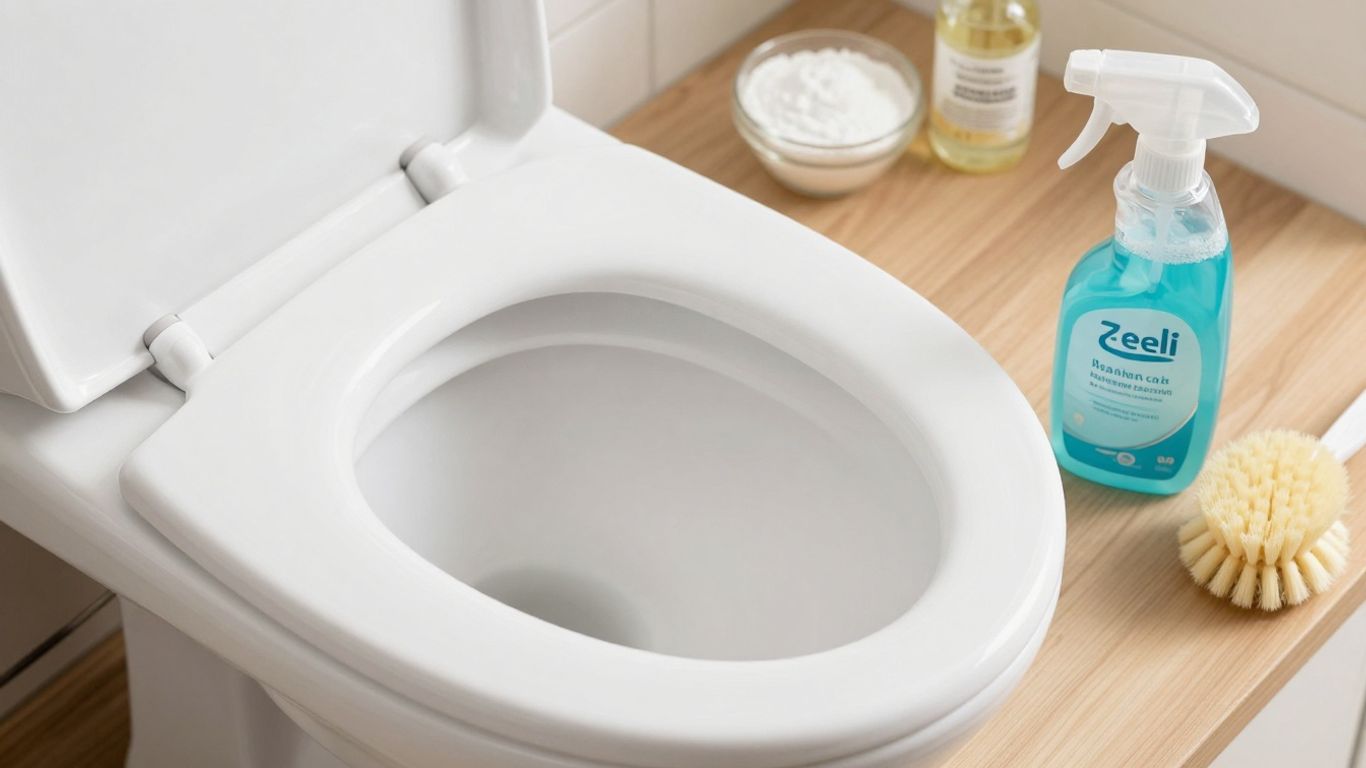
Alright, let’s get down to business and actually make some of this natural toilet cleaner. You’ve got a couple of main ways you can go about this, depending on what you’re aiming for. We’ll cover a simple liquid spray and then those fun little effervescent tablets that fizz up.
Mixing Liquid-Based Cleaners
This is probably the most straightforward method. You’re basically combining a few key ingredients into a bottle you can spray or squirt. It’s great for quick clean-ups and keeping things tidy between deeper cleans. You’ll want a sturdy bottle, maybe an old cleaning spray bottle that you’ve thoroughly cleaned out, or a new one specifically for your DIY concoctions. A small funnel can be a real lifesaver here to avoid making a mess.
Here’s a basic idea of what goes into a liquid cleaner:
- Baking Soda: The workhorse for scrubbing and deodorizing.
- Castile Soap: This is your cleaning agent, lifting away grime.
- Water: To dilute and help everything mix.
- Essential Oils: For scent and a little extra cleaning power.
Just add your baking soda, a bit of castile soap, and then top it off with water. Give it a good shake, and you’re pretty much set. The key is to get the ratios right so it cleans effectively without being too harsh or too weak.
Creating Effervescent Toilet Tablets
Now, these are pretty neat. They’re like little bombs of cleaning power that you drop into the toilet bowl. When they hit the water, they fizz and bubble, helping to loosen up grime and tackle mineral deposits. They’re especially good if you’re looking to descale your toilet bowl.
To make these, you’ll be working with dry ingredients mostly, with just a touch of liquid to bind them. Think of it like making dough, but for cleaning!
- Baking Soda: Again, our trusty base.
- Citric Acid: This is what reacts with the baking soda to create the fizz. It’s also a fantastic natural descaler.
- Essential Oils: For fragrance and added benefits.
- Water: Used very sparingly, just a few sprays or drops, to help the mixture clump together.
You’ll mix the dry stuff, add your oils, and then very carefully add just enough water for it to hold its shape when squeezed. Then you press this mixture into molds – silicone ice cube trays work really well for this. Let them dry out completely, and you’ve got yourself some DIY toilet fizzies.
Adding Zest for Extra Scent
Want to give your homemade cleaner a little something extra? Citrus zest is a fantastic addition, especially for the effervescent tablets. It looks pretty, smells amazing, and adds another layer of natural cleaning power. You can use lemon, lime, or even orange zest. Just finely grate it and mix it in with your dry ingredients before you add the liquid binder. It’s a simple way to boost the scent and make your cleaning routine a bit more pleasant. Plus, it’s a great way to use up citrus peels you might otherwise toss!
Step-By-Step Guide to Making Your Cleaner
Alright, let’s get down to business and actually make this stuff. It’s not complicated, I promise. We’ll cover both the liquid spray and the fizzy tablet versions, because variety is the spice of life, right?
Combining Ingredients in a Bottle
This is for our liquid cleaner. Grab a clean squirt bottle – one with a good nozzle is best. You can use a small funnel if you have one, it makes things less messy.
- Pour in your liquid base: Start with your water and castile soap.
- Add the dry stuff: Next, carefully add your baking soda.
- Secure and shake: Put the lid on tight, making sure the nozzle is closed. Give it a good, vigorous shake until everything looks well mixed. Seriously, shake it like you mean it.
This liquid cleaner is great for everyday touch-ups and general cleaning. It’s simple, effective, and ready to go when you need it.
Mixing Dry Ingredients for Tablets
Now, for the fun fizzy tablets. You’ll need a bowl for this.
- Combine your baking soda and citric acid in the bowl.
- If you’re adding essential oils or citrus zest for extra scent, now’s the time to toss them in.
- Mix it all up well. You can use your hands (gloves are a good idea if you have sensitive skin) or a spoon. Get rid of any big clumps of baking soda.
Adding Liquids to Dry Mixtures
This is where the magic happens, and you need to be a little careful.
- Slowly add your liquid ingredients (like vinegar and a tiny bit of water or hydrogen peroxide, depending on your recipe) to the dry mix.
- Add liquids very gradually, a few drops or a light spray at a time. If you add too much at once, it’ll start fizzing up in the bowl, and that’s not what we want yet. We’re aiming for a consistency that just holds together when you squeeze it.
- Once it’s clumpy and holds its shape, you can press it into your molds. Let them dry completely, usually overnight, before popping them out.
Applying Your Natural Toilet Cleaner
Now that you’ve whipped up your homemade toilet cleaner, it’s time to put it to work! Whether you made a liquid spray or some handy effervescent tablets, using them is pretty straightforward. The goal is to get that natural cleaning power right where it’s needed.
Scrubbing the Toilet Bowl
For liquid cleaners, the application is simple. Start by squirting the cleaner generously around the inside of the toilet bowl, making sure to get it under the rim where grime likes to hide. Let it sit for a few minutes to give the ingredients a chance to break down any buildup. Then, grab your trusty toilet brush and give the bowl a good scrub. Pay attention to any stained areas or tough spots. Once you’ve scrubbed everything, just flush the toilet, and you should see a noticeable difference. This method is great for regular maintenance and tackling everyday messes.
The Effervescent Tablet Method
If you opted for the fizzy tablets, the process is even easier. Simply drop one or two tablets into the toilet bowl. You’ll immediately see and hear them start to fizz. This bubbling action helps to lift dirt and deodorize the bowl. Let the tablets work their magic for about 5-10 minutes, or longer if you have a particularly dirty bowl. After the fizzing subsides, give the bowl a quick scrub with your toilet brush and then flush. It’s a really satisfying way to clean!
Routine Cleaning vs. Deep Cleaning
Your natural cleaner is fantastic for routine upkeep. A quick scrub with the liquid cleaner or a single tablet every few days can keep things fresh and prevent major buildup. For a deeper clean, you might want to let the liquid cleaner sit for a bit longer, perhaps 15-20 minutes, before scrubbing. You could also use two effervescent tablets instead of one. Remember, consistency is key with natural cleaners; they work by gently breaking down grime over time rather than with harsh chemicals that blast through everything instantly.
Enhancing Your Toilet Cleaning Routine
So, you’ve whipped up your natural toilet cleaner, and it’s working like a charm. That’s awesome! But what if you want to take things up a notch, especially when you’re going for a really deep clean or dealing with a stubborn situation? Let’s talk about how to really boost your cleaning game.
The Disinfecting Step
Cleaning is great for getting rid of visible gunk and grime. It makes things look and smell better. But disinfecting is about actually killing germs and bacteria. Think of it like this: cleaning is like washing your hands with soap and water, while disinfecting is like using hand sanitizer afterward. For a truly hygienic toilet, especially if someone in the house has been sick or you just want that extra peace of mind, adding a disinfecting step after your regular cleaning is a smart move.
Understanding Cleaning vs. Disinfecting
It’s easy to mix these two up, but they’re different. Cleaning removes dirt, dust, and other physical debris. Disinfecting, on the other hand, aims to kill a high percentage of germs or make them unable to reproduce. Your natural cleaner does a fantastic job of cleaning, but for disinfection, you’ll want to bring in something with more potent germ-killing power.
Tips for Stubborn Stains
Sometimes, you’ll run into stains that just don’t want to budge with a regular scrub. Don’t get discouraged! Here are a few tricks:
- Tackle mineral deposits: For those tough rings caused by hard water, a paste made from baking soda and a little water, left to sit for a while, can work wonders. You can also use citric acid directly on these spots.
- Tougher grime: If you’re dealing with really set-in grime, try applying your liquid cleaner or a paste of baking soda and letting it sit for 10-15 minutes before scrubbing. This gives the natural ingredients time to break down the mess.
- The power of fizz: For effervescent tablets, if you have a particularly tough stain, you might want to drop two tablets instead of one, or let the fizzing action work for a bit longer before you start scrubbing. The bubbling action can help lift away stubborn bits.
When you’re aiming for a deep clean, especially after illness or for a really thorough refresh, consider a two-step approach. First, use your homemade cleaner to scrub away dirt and grime. Then, follow up with a disinfecting agent like diluted hydrogen peroxide or white vinegar. Let it sit for a few minutes, scrub again, and flush. This combo tackles both the visible mess and the invisible germs.
Storing Your DIY Toilet Cleaner
Alright, so you’ve whipped up a batch of your awesome natural toilet cleaner, whether it’s a liquid concoction or those neat little effervescent tablets. Now, the big question is, how do you keep it fresh and ready to go? Proper storage is key to making sure your homemade cleaner stays effective and doesn’t turn into a science experiment gone wrong.
Storing Liquid Cleaners
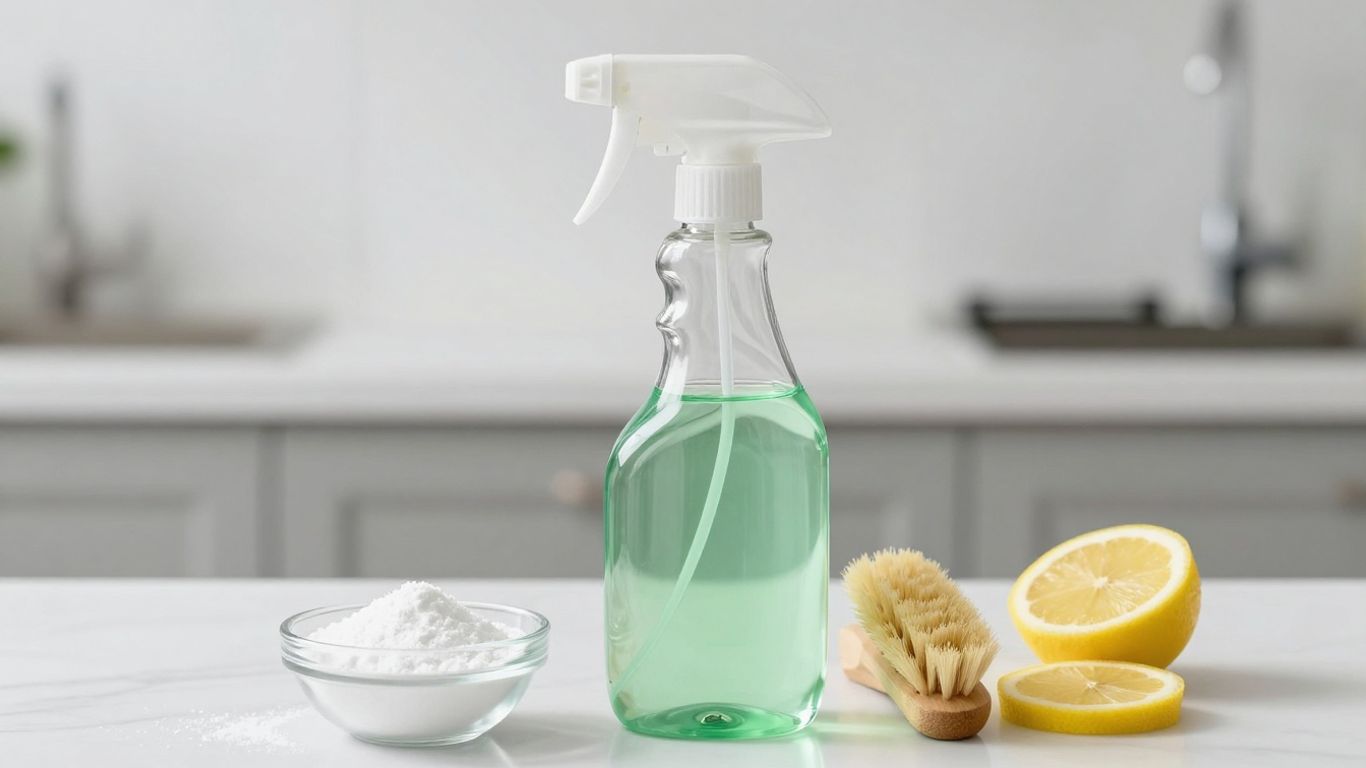
For your liquid-based toilet cleaner, the best place to keep it is in a sturdy, well-sealed bottle. A repurposed cleaning spray bottle or a glass bottle with a tight-fitting lid works great. Make sure the cap is screwed on tight to prevent any evaporation or accidental spills. It’s a good idea to store these bottles upright, maybe in your cleaning caddy or under the sink, away from direct sunlight and extreme temperatures. This helps maintain the integrity of the ingredients, especially if you’ve used essential oils, which can degrade over time with too much light exposure.
Keeping Effervescent Tablets Fresh
These little fizzy wonders need a bit more care. Because they react with moisture, you’ll want to store your effervescent toilet tablets in an airtight container. A glass jar with a good seal is perfect. If you’ve added citrus zest, it’s especially important to keep them dry. You can even add a small packet of silica gel (like the ones you find in shoe boxes) to absorb any stray moisture. Just pop one or two tablets into the jar, seal it up, and keep it in a cool, dry place. This method can help them last for a good few months.
Shelf Life of Homemade Cleaners
Generally, homemade cleaners don’t have the same long shelf life as commercial products because they lack artificial preservatives. Your liquid cleaner should be good for at least a few weeks to a couple of months, depending on the ingredients. If it starts to look or smell off, it’s time to make a new batch. The effervescent tablets, when stored properly in an airtight container, can last for up to three months. It’s always a good idea to label your containers with the date you made them, so you have a general idea of how old they are.
Remember, the beauty of DIY cleaners is their freshness and the absence of harsh chemicals. While they might not last as long as store-bought options, their natural effectiveness and peace of mind are well worth the occasional fresh batch.
Wrapping Up Your Natural Clean
So there you have it! Making your own toilet cleaner is actually pretty straightforward. You’ve got the power to ditch those harsh chemicals and go for something a bit gentler, using stuff you probably already have in your kitchen. It’s a small change, sure, but it adds up. Plus, knowing exactly what’s in your cleaning products gives you a little extra peace of mind. Give it a try next time you’re tackling the bathroom – you might be surprised at how well it works.
Read Also: How to Remove Oil Stains
FAQ
What are the main ingredients in a natural toilet cleaner?
The most common ingredients are baking soda, which helps scrub and remove smells, and castile soap, a gentle cleaner. Essential oils are often added for a nice scent and extra cleaning power. Citric acid is also great for tackling tough stains and limescale.
How do I make a simple liquid toilet cleaner?
You can mix water and castile soap in a squirt bottle. Then, add baking soda. Just close the lid and shake it all up until it’s well combined. It’s that easy to have a cleaner ready to go!
What are effervescent toilet tablets?
These are like little fizzy bombs for your toilet! You mix baking soda and citric acid, add a little liquid to make them stick together, and then let them dry. When you drop one in the toilet, it fizzes and helps clean and descale the bowl without much scrubbing.
Can I use essential oils in my homemade cleaner?
Yes, absolutely! Essential oils like lemon, tea tree, or lavender not only make your cleaner smell fresh but can also add extra germ-fighting abilities. Just a few drops are usually enough.
How is cleaning different from disinfecting?
Cleaning is about removing dirt and grime, usually with soap and water. Disinfecting means killing germs. You can clean your toilet with your homemade cleaner, and then use something like vinegar or hydrogen peroxide afterward to disinfect it, especially if someone has been sick.
How should I store my homemade toilet cleaner?
Liquid cleaners are best kept in a sealed bottle or squirt bottle at room temperature. For the fizzy tablets, store them in an airtight container, like a glass jar, to keep them dry and prevent them from fizzing too early. They can last for a few months.