
You know, cleaning the floors can feel like a never-ending chore. We try all sorts of sprays and gadgets, hoping for that sparkling shine. But what if I told you a simple, everyday item you probably already have in your pantry could be the secret weapon? We’re talking about salt. Yep, good old table salt. It might sound a little odd at first, but floor cleaning with salt is actually a thing, and it works surprisingly well for a lot of jobs. Let’s explore how this common ingredient can help you get your floors looking great.
Table of Contents
Key Takeaways
- Salt has natural abrasive qualities that help scrub away dirt and grime from floors.
- When combined with water, salt can help lift tough stains and even act as a mild disinfectant.
- Floor cleaning with salt is a budget-friendly and often more eco-friendly alternative to harsh chemical cleaners.
- It’s important to know which floor types can handle salt and to use it correctly to avoid damage.
- Simple salt-based solutions can be made at home for various cleaning needs, from general mopping to tackling specific spots.
Harnessing The Natural Power Of Salt For Floor Cleaning
Understanding The Science Behind Salt’s Cleaning Abilities
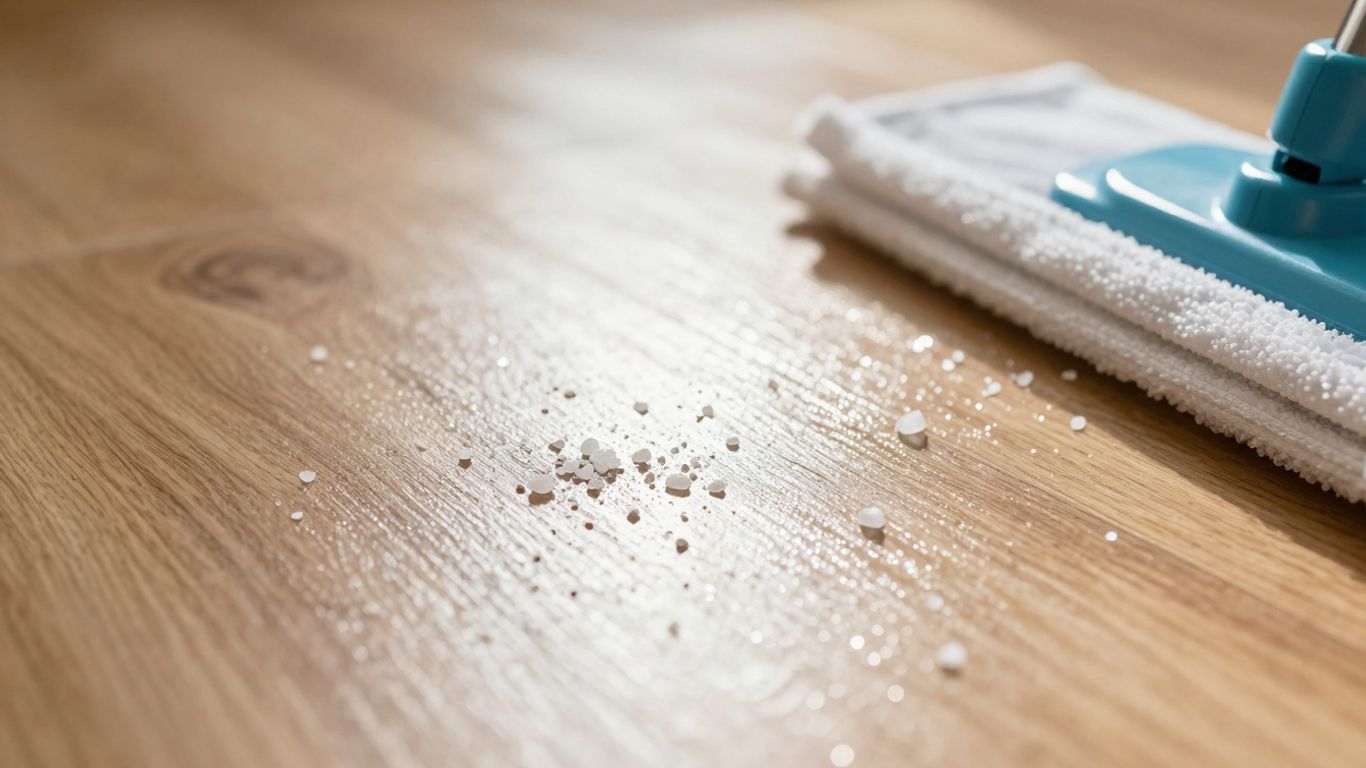
Salt, or sodium chloride, is something most of us have in our kitchens, but its cleaning power goes way beyond just seasoning food. It’s a surprisingly effective agent for tackling dirt and grime on your floors. The magic of salt lies in its abrasive nature and its ability to draw out moisture. When you use it in a cleaning solution, its tiny crystals act like a gentle scrub, helping to lift stuck-on messes without scratching most surfaces. Plus, salt is hygroscopic, meaning it attracts water. This property is super helpful when dealing with spills or damp areas, as it can help absorb excess moisture and prevent water spots.
Why Salt Is A Superior Choice For Floor Cleaning
So, why bother with salt when there are so many commercial cleaners out there? For starters, it’s incredibly budget-friendly. A big container of salt costs next to nothing compared to specialized floor cleaners. It’s also a much gentler option for your home and the environment. Many store-bought cleaners are packed with harsh chemicals that can irritate your skin, lungs, and even damage your flooring over time, especially on treated wood. Salt, on the other hand, is a natural mineral. It’s a simple, effective, and readily available ingredient that can replace many of those complex chemical concoctions.
The Unexpected Benefits Of Floor Cleaning With Salt
Beyond just cleaning, using salt can offer some neat perks. For instance, it can help to deodorize your floors, especially when combined with other natural ingredients like essential oils. It can also help to prevent ice build-up on outdoor surfaces if you’re dealing with a particularly chilly entryway. And for those with pets, salt can be a safer alternative to some chemical cleaners that might be harmful if ingested. It’s a versatile ingredient that proves you don’t need fancy products to get a great clean.
Here are a few reasons why salt is a great choice:
- Cost-Effective: Significantly cheaper than most commercial cleaners.
- Natural: A simple mineral with fewer harsh side effects.
- Versatile: Useful for cleaning, deodorizing, and even de-icing.
- Gentle: Less likely to damage most floor types compared to strong chemicals.
Achieving A Sparkling Clean With Salt-Based Solutions
So, you’re ready to ditch the harsh chemicals and embrace a cleaner, greener way to get your floors looking their best. That’s where salt really shines, and thankfully, making your own salt-based cleaning solutions is surprisingly simple. You probably already have most of what you need in your pantry.
Crafting Your Own Salt Cleaning Mixtures
Forget complicated recipes. Most of the time, you’ll be working with just a few basic ingredients. Salt, especially common table salt (sodium chloride), is a fantastic natural abrasive and deodorizer. When combined with other household staples like vinegar or baking soda, its cleaning power gets a serious boost.
Here are a few go-to mixtures:
- Basic Salt Scrub: Mix equal parts salt and baking soda with just enough water to form a thick paste. This is great for scrubbing tougher spots.
- Vinegar & Salt Power: Combine 1 cup of white vinegar with 1 tablespoon of salt. This solution is excellent for cutting through grease and grime on many floor types.
- Lemon Salt Polish: For a bit of shine and a fresh scent, mix 1/2 cup of salt with the juice of one lemon. Let it sit for a few hours before using.
Effective Techniques For Floor Cleaning With Salt
How you use these mixtures matters. For general cleaning, a diluted salt and vinegar solution works wonders. Mix about 1/4 cup of salt into a gallon of warm water. Mop your floors as usual, but be sure to rinse with plain water afterward to remove any salt residue, which can make floors sticky or dull if left behind.
For tougher jobs, like dried-on spills or scuff marks, the salt paste is your best friend. Apply it directly to the spot, let it sit for a few minutes, then gently scrub with a soft brush or cloth. Always test any cleaning solution on an inconspicuous area first, especially on delicate flooring.
Tackling Tough Stains With Salt Power
Stubborn stains can be a real headache, but salt can often help. For greasy spots, sprinkle salt directly onto the fresh spill. The salt will absorb a lot of the grease. Let it sit for a bit, then sweep or vacuum it up. You might need to follow up with a damp cloth.
For dried-on food or mud, the salt paste mentioned earlier is your best bet. Its mild abrasive quality helps lift the grime without scratching most surfaces. Remember, patience is key. Sometimes letting the solution sit on the stain for a bit longer makes all the difference.
When using salt for cleaning, it’s important to remember that while it’s a natural ingredient, it can be abrasive. Always use a soft cloth or brush and avoid excessive scrubbing on delicate surfaces to prevent scratches. Rinsing thoroughly is also a key step to avoid a sticky residue.
Here’s a quick guide for common stain types:
| Stain Type | Salt Solution Recommendation |
|---|---|
| Grease | Sprinkle dry salt on fresh spills; use salt paste for old ones |
| Dried Food/Mud | Apply salt and water paste, let sit, then scrub gently |
| Scuff Marks | Use a salt and water paste or a salt/vinegar solution |
Beyond The Basics: Advanced Salt Cleaning Strategies
Deep Cleaning Your Floors With Salt
So, you’ve got the hang of the basics, but what about those really tough jobs? Salt isn’t just for everyday spills; it can be a real workhorse for deep cleaning. Think about those high-traffic areas that get extra grimy, like kitchen floors after a big meal or bathroom tiles that see a lot of action. For these spots, you might need a stronger salt solution. A good starting point is a paste made from coarse salt and a little water, or even salt mixed with a bit of baking soda. This gives you a bit more scrubbing power without being too harsh. Remember to always test any new cleaning solution on an inconspicuous area first, especially on delicate flooring.
Maintaining Shine With Regular Salt Treatments
Keeping your floors looking good long-term is all about consistency. Instead of waiting for dirt to build up, try incorporating salt into your regular cleaning routine. A light sprinkle of salt dissolved in warm water can be used as a final rinse after your usual mopping. This helps to lift any lingering residue and can leave surfaces with a nice sheen. For wood floors, a very dilute salt solution can help remove waxy buildup without damaging the finish, but use this sparingly and always dry thoroughly. It’s a simple step that makes a noticeable difference over time.
Addressing Specific Floor Types With Salt
Not all floors are created equal, and salt cleaning needs to be tailored. For instance, on tile or linoleum, you can be a bit more liberal with salt solutions. A scrub with a salt and vinegar mix works wonders on grout lines. However, for natural stone like marble or granite, you need to be extremely cautious. Salt can be abrasive and might etch these surfaces. Always check your flooring manufacturer’s recommendations before using salt. For sealed wood floors, a very weak salt solution might be okay for occasional spot cleaning, but it’s generally safer to stick to specialized wood cleaners. Laminate floors can also be sensitive, so a light touch is best.
Here’s a quick guide:
- Tile & Linoleum: Generally safe for most salt-based cleaners. Great for grout.
- Sealed Wood: Use with extreme caution, very dilute solutions only, and dry immediately.
- Natural Stone: Avoid salt. Opt for pH-neutral cleaners.
- Laminate: Use sparingly and avoid excessive moisture.
When using salt for cleaning, think of it as a gentle abrasive and a natural deodorizer. Its ability to absorb moisture also helps in drying surfaces faster, which is a bonus for preventing water spots and streaks on certain materials.
Safety And Best Practices For Salt Floor Cleaning
Understanding What Surfaces Benefit Most
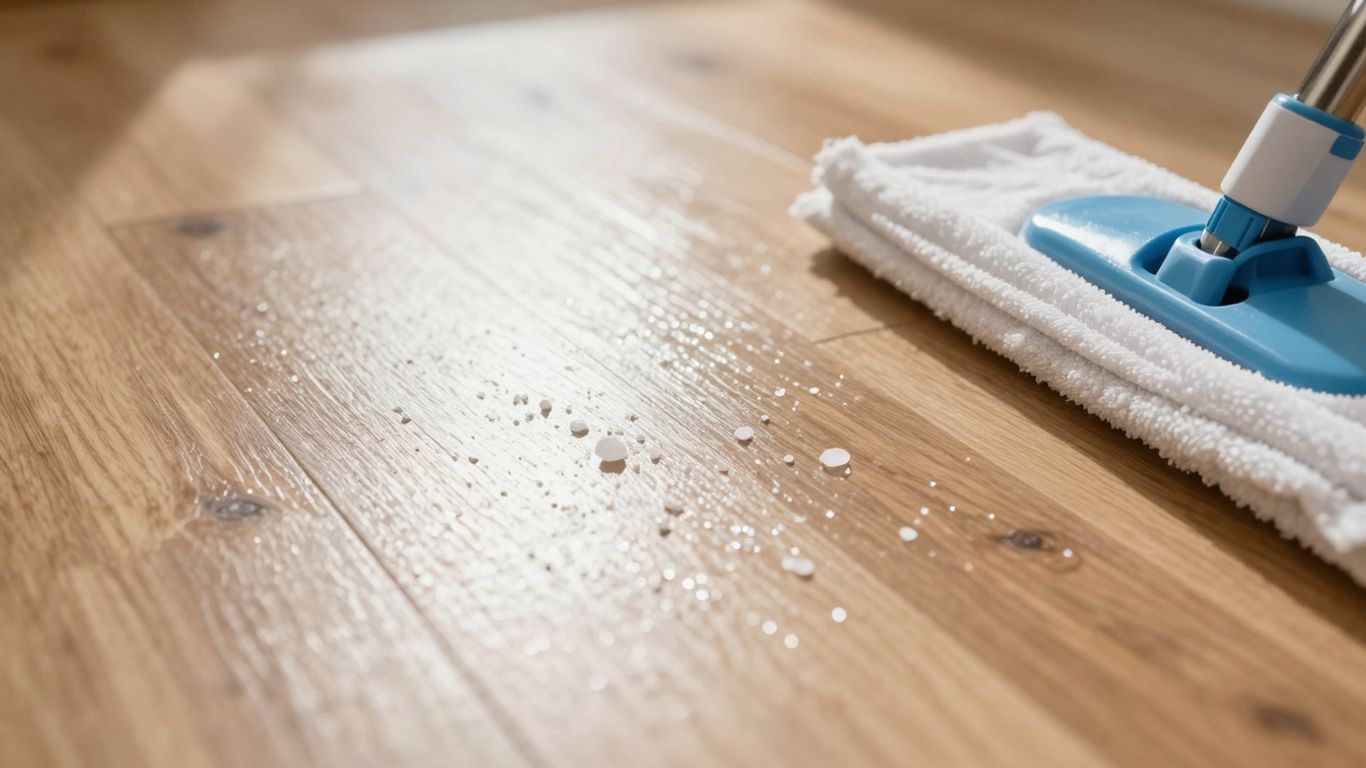
While salt is a fantastic natural cleaner, it’s not a one-size-fits-all solution for every floor type. Think of it like using a specific tool for a specific job. For instance, salt works wonders on tough, non-porous surfaces like ceramic tile or sealed concrete. It can help lift grime and leave a nice shine. However, you’ll want to be cautious with materials like unsealed wood or natural stone. Salt can be abrasive and might scratch or etch these surfaces if not used carefully. Always do a small test patch in an inconspicuous area first. This way, you can see how the salt mixture reacts with your floor before committing to the whole room.
Precautions To Take When Using Salt
Using salt for cleaning is generally safe, but there are a few things to keep in mind. Never mix salt with bleach or other strong chemicals, as this can create dangerous fumes. When making your salt cleaning solutions, always use lukewarm water. Hot water can sometimes dissolve the salt too quickly, making it less effective, and cold water might not dissolve it well enough.
Also, be mindful of the amount of salt you use. Too much can leave a residue that’s hard to rinse off, and in some cases, it might even damage certain finishes over time. A good rule of thumb is to start with a smaller amount and add more if needed. Remember, salt is a mild abrasive, so excessive scrubbing with a salt solution on delicate surfaces should be avoided.
Ensuring A Safe Environment During Cleaning
Safety during any cleaning process is key, and salt floor cleaning is no different. When you’re working with salt solutions, especially on larger areas, make sure the room is well-ventilated. Open windows and doors if possible. This helps the floor dry faster and prevents any potential buildup of moisture.
Keep pets and small children away from the wet floor until it’s completely dry to avoid slips or accidental ingestion of the cleaning solution. Have your cleaning tools ready before you start mixing your salt solution. This means having your mop, bucket, and any necessary cloths within easy reach. A little preparation goes a long way in making the cleaning process smoother and safer for everyone involved.
The Eco-Friendly Advantage Of Salt Floor Cleaning
Reducing Chemical Exposure In Your Home
When we think about cleaning our homes, especially floors, we often reach for those brightly colored bottles filled with strong chemicals. They promise a deep clean, but at what cost? Using salt as a cleaning agent is a fantastic way to cut down on the harsh stuff you bring into your living space. It’s a simple swap that makes a big difference for your health and the environment.
Instead of relying on synthetic fragrances and potentially irritating compounds, you’re using a natural mineral that’s been around forever. This means less worry about fumes lingering in the air or residues left on surfaces where kids and pets play. It’s about creating a healthier home, one clean floor at a time.
The Environmental Impact Of Natural Cleaners
Choosing natural cleaners, like those incorporating salt, is a step towards a more sustainable lifestyle. Think about it: many conventional cleaning products contain ingredients that can end up in our waterways, affecting aquatic life. Plus, their production often uses more energy and resources. Salt, on the other hand, is readily available and has a much lower environmental footprint. When you use salt-based solutions, you’re not contributing to the same level of pollution. It’s a small change in your cleaning routine that adds up to a larger positive impact on the planet. We’re all trying to do our part, and this is a pretty easy way to start.
Making Sustainable Choices For A Cleaner Home
Making the switch to salt for floor cleaning isn’t just about getting sparkling floors; it’s about making conscious, sustainable choices. It aligns with a broader movement towards reducing waste and opting for simpler, more natural solutions. Here are a few ways this approach benefits your home and the planet:
- Reduced Packaging Waste: Often, you can buy salt in bulk or in recyclable packaging, cutting down on the plastic waste associated with multiple cleaning product bottles.
- Lower Carbon Footprint: The manufacturing and transportation of natural ingredients like salt generally have a smaller environmental impact compared to complex chemical cleaners.
- Biodegradable Solutions: Salt-based cleaning mixtures are typically biodegradable, meaning they break down naturally without harming ecosystems.
Opting for natural cleaning methods like using salt is a practical way to live more sustainably. It’s about making informed decisions that benefit both your immediate surroundings and the wider world. This approach helps reduce the overall chemical load in our homes and communities, contributing to a healthier planet for everyone.
It’s amazing how a simple ingredient like salt can be so versatile. For more on reducing chemical use in your home, check out multi-purpose cleaners. It’s all part of creating a cleaner, greener living space.
Wrapping Up Your Sparkling Floor Journey
So, there you have it. Who knew a simple pantry staple like salt could be such a handy helper for keeping your floors looking their best? We’ve seen how it can tackle tough spots and add a bit of shine without all the harsh chemicals. It’s a good reminder that sometimes the best cleaning solutions are the ones already sitting in your kitchen. Give it a try next time you’re doing a deep clean – you might be surprised at the results. Happy cleaning!
Read Also: How to Remove Red Wine Stains
FAQ
Is salt safe to use on all types of floors?
Salt can be a great cleaner, but it’s not for every floor. It works wonders on tough grime and can even help with stains. However, you should be careful with delicate surfaces like unsealed wood or certain types of tile, as salt can sometimes be too harsh. Always test a small, hidden spot first to make sure it won’t harm your floor.
How does salt actually clean things?
Salt is like a tiny scrubbing helper! Its little crystals can gently scrape away dirt and grime that’s stuck on your floor. Plus, salt can soak up moisture and help lift stains. Think of it as a natural way to get a deeper clean without using harsh chemicals.
Can I mix salt with other cleaning supplies?
You sure can! Salt often works best when mixed with other simple, natural cleaners like water or vinegar. For example, a little salt mixed with water can make a great paste for scrubbing tougher spots. Just remember, mixing too many things can sometimes cancel out their cleaning power, so keep it simple!
What are the benefits of using salt instead of regular cleaners?
Using salt is a fantastic way to clean your floors without all the strong chemicals found in many store-bought cleaners. This is better for you, your family, and the environment. It’s also super budget-friendly because salt is inexpensive and you probably already have it in your kitchen!
How do I make a salt-based floor cleaning solution?
It’s super easy! A basic solution is just warm water with a bit of salt dissolved in it. For tougher jobs, you might add a splash of white vinegar to the salty water. You can also make a paste with salt and a little water or baking soda to scrub stubborn spots.
Are there any downsides to cleaning floors with salt?
While salt is a great natural cleaner, it’s important to use it correctly. Too much salt, or using it on the wrong type of floor, could potentially cause damage or leave a residue. It’s always a good idea to rinse your floors well after cleaning with salt and to check if your specific flooring is salt-friendly.