
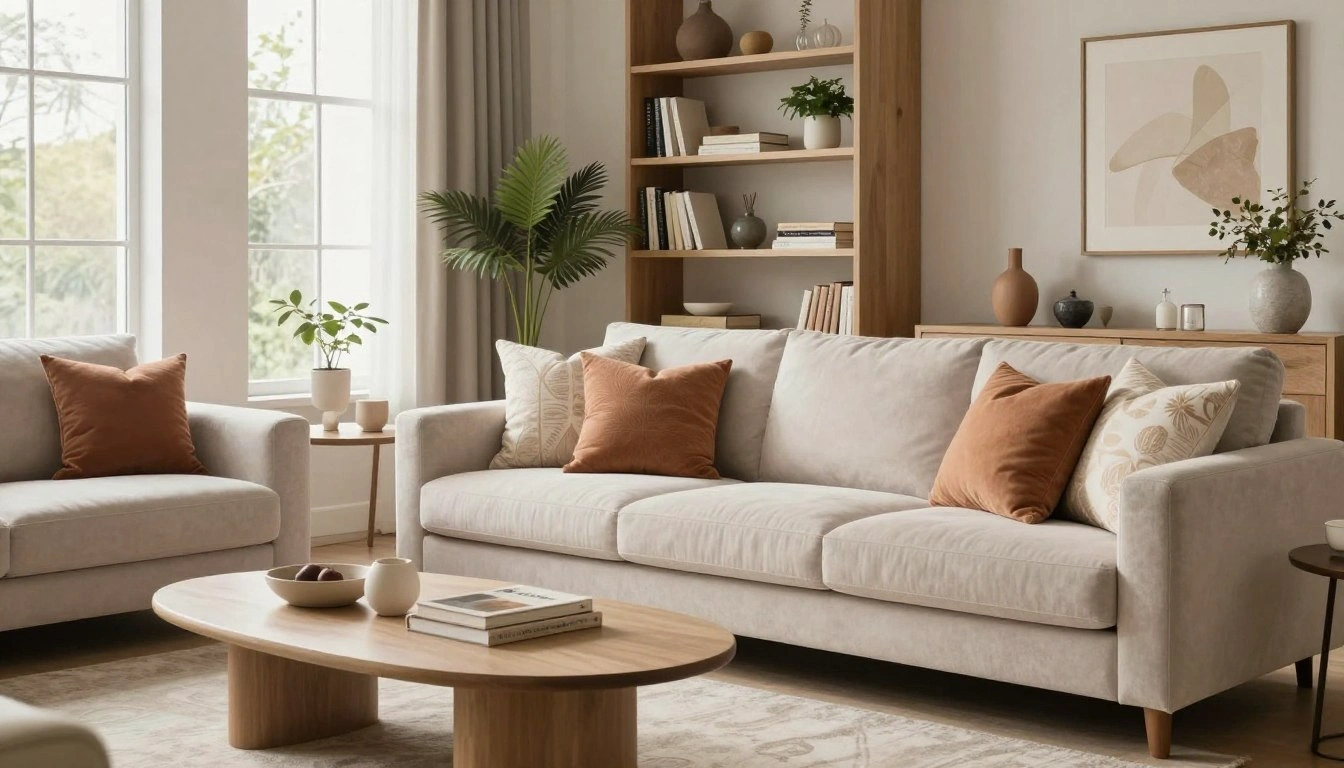
Welcome to your ultimate resource for creating stylish and personalized interiors. In this comprehensive beginners guide, we will walk you through the fundamental principles of home decor basics, helping you to transform your living space into a haven that reflects your personality and style.
Whether you’re a novice or looking to refresh your existing decor, this guide is designed to provide you with the knowledge and inspiration needed to create a beautiful and functional living space. With our expert tips and advice, you’ll be able to turn your house into a home that truly feels like your own.
Table of Contents
By following this guide, you’ll gain a deeper understanding of how to style your space effectively, making it a perfect haven for relaxation and entertainment.
Understanding Your Space and Style
Transforming your home into a haven begins with understanding the intricacies of your space and personal style. This foundational step is crucial in styling any space to meet your needs and reflect your personality.
Assessing Your Space’s Potential and Limitations
Begin by evaluating your space’s dimensions, architectural features, and natural lighting. Consider the room’s layout and how it impacts the flow and functionality. Take note of any limitations, such as small windows or low ceilings, and think about how to work around them.
- Measure the room and create a floor plan.
- Identify any architectural features that can be highlighted.
- Assess the natural lighting and consider how to supplement it.
Identifying Your Personal Aesthetic
Your personal style is a reflection of your lifestyle, preferences, and experiences. To identify it, consider the styles, colors, and textures you are drawn to. Think about how you want to feel in your home and what kind of atmosphere you want to create.
Key considerations include:
- Your lifestyle and how you use your space.
- Your favorite colors and textures.
- The style that resonates with you, whether modern, traditional, or eclectic.
Setting a Realistic Decorating Budget
Setting a budget helps guide your decorating decisions and ensures that your aspirations are aligned with your financial capabilities. Consider allocating funds to essential items first, such as furniture, and then to decorative elements.
To set a realistic budget:
- Determine your overall budget for decorating.
- Prioritize your spending based on needs and wants.
- Research and compare prices to stay within budget.
The Foundation: Color Theory and Schemes
Color theory forms the foundation of interior design, helping you make informed decisions about your space. A well-designed color scheme can greatly impact the ambiance and aesthetic of your home.

Basic Color Psychology for Home Environments
Colors can evoke different emotions and moods. For instance, blue is often associated with feelings of calmness, while red can stimulate energy. Understanding the psychological impact of colors is essential for creating a harmonious atmosphere.
Creating Cohesive Color Palettes for Beginners
To create a cohesive color palette, start by selecting a dominant color, then choose one or two complementary colors. Consider the 60-30-10 rule: 60% dominant color, 30% secondary color, and 10% accent color. This will help you achieve a balanced look.
Working with Accent Colors Effectively
Accent colors add depth and visual interest to your decor. Use them sparingly to create focal points or add a pop of color. For example, you can use vibrant throw pillows or colorful artwork to introduce an accent color.
By applying these color theory principles, you’ll be able to create a beautiful and inviting space that reflects your personal style. For more interior design tips and decorating for beginners advice, continue reading the next sections.
Furniture Selection and Arrangement
Effective furniture selection and arrangement can transform any room, making it a reflection of your personal style. The right furniture not only enhances the aesthetic appeal of your space but also improves its functionality.

Choosing Functional Pieces That Fit Your Lifestyle
When selecting furniture, it’s crucial to choose pieces that fit your lifestyle. Consider factors such as comfort, durability, and versatility. For instance, if you have a large family, you may want to opt for a spacious sectional sofa that can accommodate everyone. On the other hand, if you live alone, a compact sofa might be more suitable.
Key considerations when choosing functional furniture include:
- Assessing your daily needs and habits
- Measuring your space to ensure a proper fit
- Selecting materials and finishes that are durable and easy to maintain
Space Planning and Layout Fundamentals
Once you’ve selected your furniture, it’s time to plan the layout. Effective space planning ensures that your furniture is arranged in a way that promotes flow and conversation. Start by measuring your room and creating a floor plan. Consider the “traffic path” and leave enough space between furniture pieces for easy movement.
A well-planned layout can make a room feel more spacious and inviting. Here are some tips to keep in mind:
- Balance large furniture pieces with smaller ones
- Create a focal point, such as a statement piece of art or a fireplace
- Consider the “golden triangle” rule when arranging seating
Understanding Scale and Proportion in Furniture Selection
Scale and proportion are critical when selecting furniture. A large piece of furniture can overwhelm a small room, while a tiny piece can get lost in a large space. To achieve a balanced look, consider the scale of each furniture piece in relation to the room and other furniture.
| Furniture Piece | Scale Consideration | Proportion Tip |
|---|---|---|
| Sofa | Choose a size that fits the room’s dimensions | Balance with armchairs or ottomans |
| Coffee Table | Select a height that complements the sofa | Proportion it with the surrounding furniture |
Home Decor Basics: A Beginner’s Guide to Styling Any Space
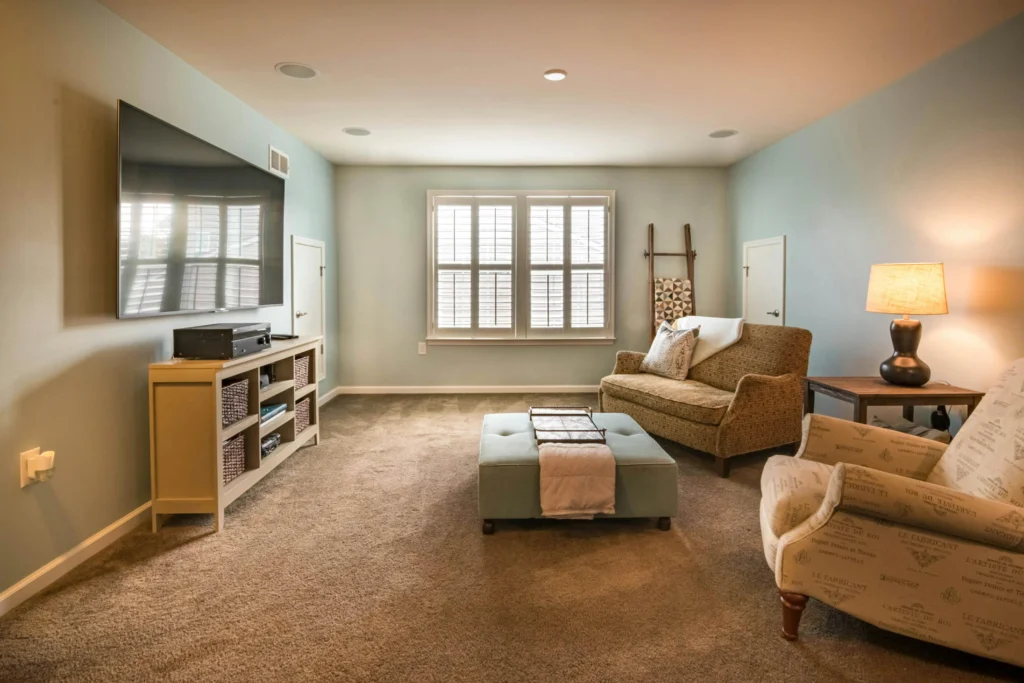
Understanding the core elements of home decor is the first step towards styling a space that resonates with your personal style. When it comes to home decor basics, it’s all about creating a harmonious balance between form and function.
To achieve this balance, it’s essential to incorporate certain decorative elements that can elevate any room. Let’s explore these elements in more detail.
Must-Have Decorative Elements for Any Room
Every room benefits from a mix of decorative elements that add visual interest and personality. Some must-have elements include:
- Statement pieces, such as artwork or sculptures
- Textiles, like throw pillows and blankets
- Natural elements, such as plants or a vase with fresh flowers
| Decorative Element | Purpose | Examples |
|---|---|---|
| Statement Pieces | Add visual interest | Artwork, sculptures |
| Textiles | Enhance comfort and style | Throw pillows, blankets |
| Natural Elements | Bring in a touch of nature | Plants, vases with fresh flowers |
Mastering the Art of Layering Textures and Materials
Layering different textures and materials is a key aspect of styling any space. By combining smooth, rough, soft, and hard elements, you can create a rich and inviting atmosphere.
For example, pairing a smooth leather sofa with a chunky woven rug and soft throw blankets can add depth and visual interest to a room.
Creating Visual Interest with Thoughtful Accessories
Accessories play a crucial role in adding personality to your space. By choosing thoughtful accessories that reflect your style, you can create a unique and engaging environment.
Some ideas for thoughtful accessories include vintage decorative items, unique lighting fixtures, and personalized decor.
Lighting: The Transformative Design Element
Effective lighting can transform a space, making it more inviting and functional. It is a crucial aspect of interior design tips that can greatly impact the ambiance and functionality of a room.
Understanding Ambient, Task, and Accent Lighting
To create a well-lit space, it’s essential to understand the different types of lighting: ambient, task, and accent. Ambient lighting provides overall illumination, task lighting focuses on specific areas for activities, and accent lighting highlights particular features or decor.
By layering these types of lighting, you can achieve a balanced and visually appealing atmosphere. For instance, in a living room, ambient lighting can be provided by ceiling fixtures, while task lighting is achieved through table lamps, and accent lighting is used to highlight artwork.
Strategic Light Placement for Mood and Function
The placement of light fixtures is critical for both mood and function. Strategically placing lights can enhance the ambiance of a room and improve its functionality. For example, placing a floor lamp behind a sofa can create a cozy reading nook, while under-cabinet lighting in a kitchen can improve task lighting for food preparation.
Applying home styling tips such as these can make a significant difference in how a space feels and functions.
Selecting Fixtures That Enhance Your Decor Style
Choosing the right light fixtures can complement your decor style and add to the overall aesthetic of a room. Whether you prefer modern, minimalist designs or vintage, ornate fixtures, the right choice can enhance your space. Consider the style, material, and finish of the fixtures to ensure they align with your decor.
By carefully selecting and placing lighting fixtures, you can significantly enhance the look and feel of your home, making it a more enjoyable and functional space.
Budget-Friendly Decorating Strategies
You don’t have to spend a fortune to give your home a stylish makeover. With a little creativity and resourcefulness, you can achieve a beautiful and inviting space without breaking the bank. Budget-friendly decorating is about making smart choices and finding affordable ways to enhance your home’s aesthetic.
DIY Projects for Personalized Decor
Engaging in DIY projects is a great way to add a personal touch to your decor. From painting old furniture to creating your own wall art, DIY projects allow you to customize your space according to your taste. Simple projects like making throw pillows or crafting a photo gallery can make a significant impact.
Thrifting and Upcycling for Unique Pieces
Thrifting and upcycling are excellent strategies for finding unique pieces that add character to your home. Thrift stores, garage sales, and online marketplaces are treasure troves for affordable, one-of-a-kind items. With a bit of creativity, you can transform these finds into stylish elements that reflect your personal style.
Seasonal Updates Without Breaking the Bank
Updating your decor seasonally can keep your home feeling fresh and current. To do this without overspending, focus on small, impactful changes like switching out throw blankets, adding seasonal flowers, or incorporating affordable seasonal decor items. These simple updates can make your home feel cozy and inviting throughout the year.
Read More: 13 small Space Entryway Solutions & Style
Conclusion
With the principles outlined in this beginner’s guide, you’re now equipped to create a beautiful, functional, and personalized home. By understanding your space and style, applying color theory, selecting the right furniture, and using lighting effectively, you’ll be able to navigate the decorating process with confidence.
Easy home decor tips can make a significant difference in your space. Remember to layer textures and materials, create visual interest with thoughtful accessories, and update your decor seasonally without breaking the bank.
As you continue on your decorating journey, don’t be afraid to experiment and try new things. With these easy home decor tips and a little creativity, you’ll be well on your way to creating a home that truly reflects your unique style.
FAQ
What are the home decor basics I should know as a beginner?
As a beginner, it’s essential to understand the fundamental principles of home decor, including understanding your space and style, color theory, furniture selection, and lighting. By mastering these basics, you’ll be able to create a beautiful and functional home that reflects your personality.
How do I determine my personal aesthetic for home decor?
To determine your personal aesthetic, consider your lifestyle, preferences, and the style that resonates with you. Think about the colors, textures, and furniture styles that you like, and how they can be incorporated into your space to create a cohesive look.
What is the importance of color theory in home decor?
Color theory is crucial in home decor as it can greatly impact the mood and ambiance of a room. Understanding how to create a cohesive color palette and using accent colors effectively can add depth and visual interest to your space.
How do I choose the right furniture for my space?
When choosing furniture, consider factors such as comfort, durability, and versatility. Think about the scale and proportion of the furniture in relation to your space, and arrange it in a way that promotes flow and conversation.
What are some budget-friendly decorating strategies?
Some budget-friendly decorating strategies include DIY projects, thrifting and upcycling, and making seasonal updates without breaking the bank. By adopting these strategies, you can create a beautiful and stylish home without overspending.
How can I add visual interest to my decor?
To add visual interest to your decor, try layering textures and materials, incorporating thoughtful accessories, and using lighting effectively. By doing so, you can create a visually appealing atmosphere that reflects your personality and style.