
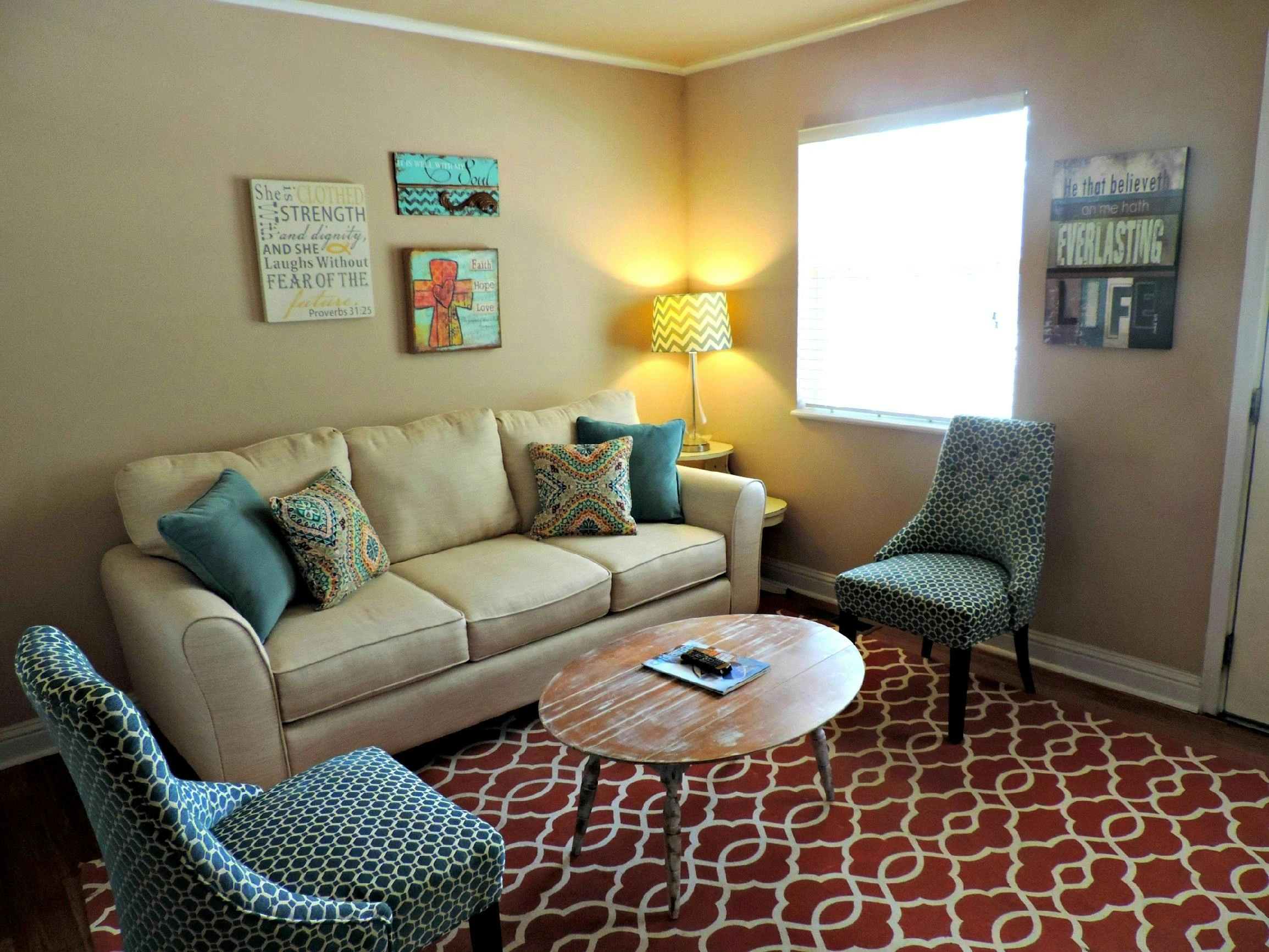
Transforming a small room into a spacious oasis requires creativity and clever interior design tips. By employing a few simple yet effective strategies, homeowners can create the illusion of more space without sacrificing comfort or style.
One of the key elements in small room design is the use of light colors, which can help reflect light and create a sense of openness. Additionally, strategic furniture placement and the use of mirrors can also contribute to a more spacious feel.
we will explore various design tricks to help you maximize your small room’s potential. From clever storage solutions to innovative decorating ideas, we’ll provide you with the inspiration and guidance you need to create a more spacious and inviting living area.
Table of Contents
Understanding Visual Space: The Psychology Behind Spatial Perception

Understanding how our brains process visual information is key to making small rooms appear larger. The way we perceive space is influenced by various psychological and visual factors.
How Our Eyes Perceive Space
Our eyes perceive space based on various visual cues, including light, color, and the arrangement of objects. For instance, light colors on walls can create a sense of openness, while dark colors can make a room feel more enclosed. The strategic use of mirrors can also enhance the perception of space by reflecting light and images, thereby creating a visual space illusion.
The Principles of Visual Weight and Balance
The principles of visual weight and balance are crucial in room layout ideas and interior design tips. Visual weight refers to the perceived heaviness or lightness of objects in a room, influenced by their size, color, and placement. Balance is achieved when the visual weights of different elements are in harmony. For example, a heavy piece of furniture can be balanced by a lighter-colored wall or a strategically placed mirror.
| Principle | Description | Application |
|---|---|---|
| Visual Weight | Perceived heaviness or lightness of objects | Balance heavy furniture with light colors |
| Balance | Harmony among visual elements | Use mirrors or light colors to counterbalance heavy objects |
Color Strategies to Create the Illusion of Space
The right color strategies can create an illusion of more space, transforming small rooms into seemingly larger areas. This is achieved through careful selection and application of colors that influence our perception of the room’s dimensions.
Light Color Palettes and Their Impact
Light color palettes are known to make rooms appear larger. Soft hues such as whites, creams, and pale grays reflect light, creating a sense of openness and airiness. These colors are particularly effective on walls and ceilings, as they help to create a seamless transition between surfaces.
Monochromatic Schemes for Seamless Flow
Monochromatic color schemes involve using different shades of the same color throughout the room. This approach creates a cohesive look and eliminates visual clutter, making the room feel more spacious. By using varying tones of a single color, you can add depth without breaking the visual flow.
Strategic Accent Colors
Accent colors can be used strategically to draw attention away from the room’s size. Bold accents can create focal points, distracting from the room’s dimensions. For example, a vibrant piece of art or a colorful rug can shift the focus from the room’s size to its style.
| Color Strategy | Effect on Space Perception |
|---|---|
| Light Color Palettes | Makes rooms appear larger and more open |
| Monochromatic Schemes | Creates a seamless flow, reducing visual clutter |
| Strategic Accent Colors | Draws attention away from room size, creating focal points |
Lighting Techniques That Expand Small Spaces
Effective lighting design can visually expand small areas, enhancing their overall aesthetic appeal. By employing the right lighting techniques, homeowners can create a more spacious feel in their rooms.
Natural Light Maximization
Maximizing natural light is a crucial interior design tip for making small spaces appear larger. Removing heavy draperies and using sheer curtains can significantly enhance the amount of natural light entering the room, creating a brighter and more spacious atmosphere.
Layered Lighting Approaches
A layered lighting approach involves combining different light sources to achieve a balanced and visually appealing effect. This technique helps create a visual space illusion by drawing attention to different areas of the room, making it feel more expansive.
Strategic Fixture Placement
Strategic fixture placement is essential for optimizing room layout ideas. Placing light fixtures in corners or against walls can help reflect light and create the illusion of more space. Consider using LED strips or floor lamps to add depth without cluttering the room.

| Lighting Technique | Description | Benefit |
|---|---|---|
| Natural Light Maximization | Using sheer curtains and removing obstructions | Brightens the room, making it feel larger |
| Layered Lighting Approaches | Combining different light sources | Creates depth and visual interest, enhancing the sense of space |
| Strategic Fixture Placement | Placing fixtures in corners or against walls | Reflects light, creating the illusion of more space |
How to Make Small Rooms Look Bigger Using Design Tricks with Furniture
To make small rooms look bigger, it’s essential to choose furniture that is proportionate to the space. The right furniture can create a sense of spaciousness and make a room feel more comfortable.
Choosing Scale-Appropriate Furniture
Selecting furniture that fits the scale of your small room is crucial. Oversized furniture can overwhelm the space, making it feel cramped.
Proportion Guidelines for Small Spaces
When choosing furniture, consider the room’s dimensions and the traffic path. Measure the room and create a floor plan to visualize how different pieces will fit.
Visual Weight Considerations
The visual weight of furniture also impacts how spacious a room feels. Light-colored, minimalist designs can make a room appear larger.
| Furniture Type | Visual Weight | Space Impact |
|---|---|---|
| Dark, bulky | High | Reduces perceived space |
| Light, minimalist | Low | Increases perceived space |
Multi-Functional Pieces That Save Space
Using multi-functional furniture is a space-saving technique that can help keep the room clutter-free. Examples include storage ottomans and sofa beds.
Furniture Placement for Optimal Flow
Effective room layout ideas involve placing furniture in a way that promotes flow. Avoid blocking doorways and create a clear path through the room.

By applying these principles, you can create a more spacious feel in your small room, enhancing its overall design and functionality.
Wall and Window Treatments That Expand Visual Space
The strategic use of wall and window treatments is a key element in creating the illusion of more space in small rooms. By carefully selecting and placing these elements, homeowners can significantly enhance the perceived size of their living areas.
Mirror Placement Techniques
Mirror placement is a powerful interior design tip for creating the illusion of more space. By reflecting light and images, mirrors can make a room feel larger and more spacious.
Strategic Positioning for Maximum Effect
To maximize the effect of mirrors, they should be placed opposite windows to reflect natural light and views, thus enhancing the sense of space. This technique is a simple yet effective room layout idea for small rooms.
Creative Mirror Arrangements
Experimenting with different mirror arrangements can add visual interest and create the illusion of a larger space. For example, a collection of small mirrors arranged in a collage can add depth and visual appeal to a room.
Window Treatments to Maximize Light
Maximizing natural light is crucial for creating a sense of spaciousness. Using sheer curtains or blinds can help to reflect light and make the room feel brighter and more expansive.
Wall Décor That Creates Depth
Wall décor can also play a significant role in creating the visual space illusion. By using a mix of frame sizes and styles, homeowners can add depth and visual interest to their walls, making the room feel larger.
By incorporating these wall and window treatments into their design, homeowners can create a more spacious and inviting living area.
Room-Specific Space-Enhancing Strategies
To maximize space, it’s essential to adopt strategies that cater to the unique needs of each room. Different rooms have different purposes and challenges, and understanding these differences is key to effective space optimization.
Small Living Room Solutions
In small living rooms, creating the illusion of more space can be achieved through the use of multi-functional furniture and clever layout planning. For instance, using a storage ottoman or a sofa bed can help reduce clutter and serve multiple purposes. Additionally, selecting furniture with legs rather than bulky bases can make the room feel more open.
Bedroom Space Maximization
Bedrooms can benefit from space-saving techniques such as using wall-mounted shelves, under-bed storage, and compact furniture designs. A clutter-free environment not only enhances the sense of space but also promotes relaxation. Consider using light colors on walls and bedding to create a sense of openness.
Bathroom and Kitchen Space-Saving Tricks
In bathrooms and kitchens, where space is often at a premium, clever storage solutions are crucial. For kitchens, consider a peninsula island for additional counter space without compromising floor area. In bathrooms, wall-mounted sinks and toilets can create a more spacious feel. Using mirrors and reflective surfaces can also enhance the sense of space.
| Room Type | Space-Saving Technique | Benefit |
|---|---|---|
| Living Room | Multi-functional Furniture | Reduces clutter, serves multiple purposes |
| Bedroom | Wall-mounted Shelves | Creates storage without occupying floor space |
| Kitchen/Bathroom | Peninsula Island/Wall-mounted Fixtures | Provides additional counter space, creates a sense of openness |
Conclusion: Transforming Your Small Space into a Roomy Haven
Transforming a small room into a spacious and inviting area is achievable with the right design tricks and techniques. By applying the strategies discussed in this article, you can create the illusion of more space and enhance the functionality of your room.
Effective use of color, lighting, and furniture can significantly impact how spacious a room feels. For instance, using light color palettes, maximizing natural light, and choosing scale-appropriate furniture are simple yet effective ways to make small rooms look bigger using design tricks. Additionally, incorporating interior design tips such as mirror placement and strategic accent colors can further enhance the sense of space.
To take your space to the next level, consider exploring more room layout ideas and interior design tips. By doing so, you can create a roomy haven that is both functional and aesthetically pleasing. With these design strategies, you can turn even the smallest of spaces into a comfortable and inviting area that meets your needs.
FAQ
What are some effective ways to make a small room look bigger?
Using design tricks such as light color palettes, strategic mirror placement, and multi-functional furniture can create the illusion of more space in small rooms.
How does color impact the perception of space in a small room?
Light colors on walls and floors can make a room appear larger, while monochromatic schemes can create a seamless flow, making the space feel more expansive.
What type of furniture is best suited for small rooms?
Scale-appropriate furniture that is proportionate to the room size, along with multi-functional pieces, can help optimize space and create a sense of spaciousness.
How can lighting be used to expand small spaces?
Maximizing natural light, using layered lighting approaches, and placing fixtures strategically can all contribute to creating the illusion of more space.
What are some effective wall and window treatments for small rooms?
Mirror placement techniques, window treatments that maximize light, and wall décor that creates depth can all help expand the visual space in small rooms.
Are there specific design tricks for different types of rooms?
Yes, different rooms have unique space-enhancing strategies, such as using vertical elements in small living rooms, and optimizing storage in bathrooms and kitchens.
How can I apply these design tricks to my own small space?
By assessing your room’s specific needs and applying the relevant design strategies, you can transform your small space into a roomy and inviting haven.
What is the importance of visual weight and balance in small room design?
Visual weight and balance play a crucial role in creating a sense of spaciousness, as they can affect how our eyes perceive the space, making it feel more or less cluttered.