
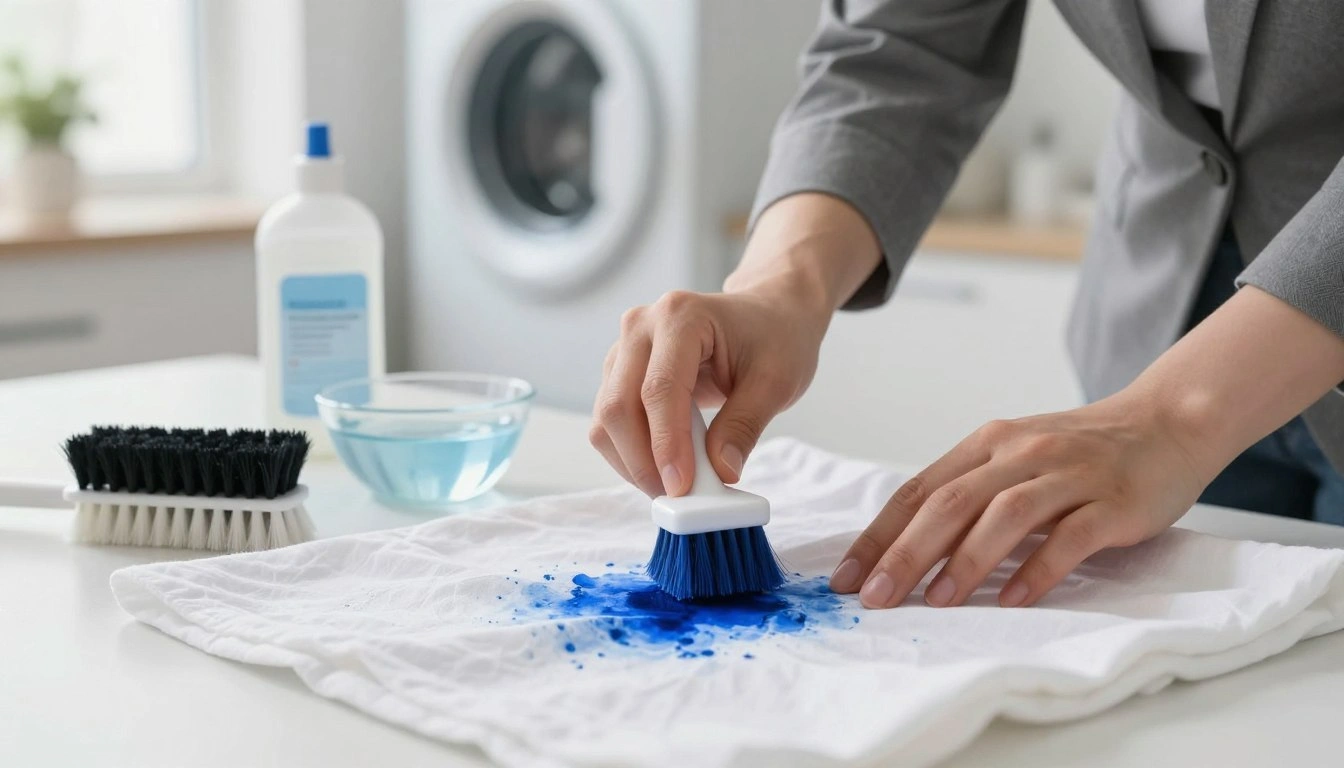
Have you ever experienced the dismay of discovering an unsightly ink stain on your favorite piece of clothing or upholstery? It’s a frustrating situation that can happen to anyone. The good news is that you’re not alone, and there are effective ways to tackle this problem.
Understanding the type of ink and fabric involved is crucial for successful stain removal. Different types of ink, such as ballpoint pen ink or permanent marker ink, require different approaches. Similarly, various fabrics, from cotton to silk, have unique characteristics that affect the removal process.
This comprehensive guide will walk you through the best methods and products for DIY ink stain removal, helping you to restore your fabric to its original state. Whether you’re dealing with a fresh stain or an old one, we’ll provide you with the knowledge and techniques to tackle it effectively.
Table of Contents
Understanding Different Types of Ink Stains
Understanding the type of ink stain you’re dealing with is crucial for effective removal. Ink stains can be broadly classified into three categories: water-based, oil-based, and permanent ink.
Water-Based Ink Stains
Water-based ink stains are typically easier to remove than other types. They are often found in fountain pen ink, stamp pads, and some types of printer ink. Acting quickly is still necessary, as water-based ink can penetrate fabric quickly.
Oil-Based Ink Stains
Oil-based ink stains, commonly used in printing and some art supplies, are more challenging to remove. They tend to bind to fabric, making removal more difficult. Pre-treatment is often necessary before attempting to remove these stains.
Permanent Ink Stains
Permanent ink stains, known for their durability, are designed to be long-lasting. They are usually oil-based or contain other stubborn chemicals, making them particularly difficult to remove. Specialized removal techniques are often required.
Why Acting Quickly Matters
Regardless of the ink type, acting quickly is vital. The sooner you treat the stain, the higher the chances of successful removal. Delaying can allow the ink to set, making it much harder to remove.
Essential Supplies for Ink Stain Removal
The key to successful ink stain removal lies in using the correct supplies, which can be found in most households or purchased commercially. Having the right products on hand can make a significant difference in the effectiveness of the removal process.
Household Products That Remove Ink
Several common household products can be used to remove ink stains from fabric. Rubbing alcohol is a popular choice due to its ability to dissolve ink. Hairspray is another effective product, as it can help break down the ink, making it easier to remove. White vinegar is also a useful household item that can help lift ink stains from fabric. These products are often readily available and can be just as effective as commercial stain removers.

Commercial Stain Removers
For more stubborn ink stains, commercial stain removers can be highly effective. Products like OxiClean are designed to tackle tough stains, including ink. These products often contain powerful enzymes or chemicals that break down the ink, making it easier to remove. When using commercial stain removers, it’s essential to follow the instructions carefully to achieve the best results.
Testing Products on Fabric First
Before applying any stain removal product to the ink stain, it’s crucial to test it on a small, inconspicuous area of the fabric first. This step helps ensure that the product won’t damage or discolor the material. Testing a small area first can save time and prevent further damage to the fabric, making it an essential step in the ink stain removal process.
How to Remove Ink Stains from Fabric: Step-by-Step Methods
Removing ink stains from fabric can be a daunting task, but with the right techniques, it’s entirely achievable. Different types of ink and fabric require different approaches, and acting quickly is crucial to successful stain removal.
Cold Water Method
The cold water method is a gentle and effective way to remove ink stains from fabric. Start by rinsing the stained area under cold running water to flush out as much of the ink as possible. Then, soak the fabric in cold water for several hours or overnight. After soaking, wash the fabric as usual. This method is particularly effective for water-based ink stains.
Rubbing Alcohol Method
Rubbing alcohol is a common household product that can be used to remove ink stains. Apply rubbing alcohol to the stained area and gently blot it with a clean cloth. Repeat this process until the stain fades. Be sure to test a small, inconspicuous area of the fabric first to ensure the alcohol doesn’t damage it. This method is effective for many types of ink stains.
Hairspray Technique
Believe it or not, hairspray can be used to remove ink stains from fabric. Spray a small amount of hairspray onto the stain and let it sit for a few minutes. Then, blot the stain with a clean cloth and rinse with cold water. Repeat as necessary until the stain is gone. This method works well for certain types of ink.
White Vinegar Solution
A white vinegar solution can help lift ink stains from fabric. Mix equal parts white vinegar and water, and soak the stained fabric in the solution for several hours or overnight. Then, wash the fabric as usual. White vinegar is a natural cleaning agent that can help break down the ink.
Milk Method
The milk method is a gentle and non-toxic way to remove ink stains, making it suitable for delicate fabrics. Soak the stained area in milk for several hours or overnight. The casein in milk helps break down the ink, making it easier to remove. After soaking, wash the fabric as usual.
Dishwashing Soap Approach
Dishwashing soap can be used to remove ink stains from fabric by applying a small amount directly to the stain. Gently rub the soap into the stain and let it sit for a few minutes. Then, rinse the fabric with cold water and wash as usual. This method is effective for oil-based ink stains.
Specialized Techniques for Different Fabrics
The key to successful ink stain removal lies in understanding the fabric type and applying the appropriate technique. Different fabrics have unique properties that require tailored approaches to effectively remove ink stains without damaging the material.
Removing Ink from Cotton and Linen
Cotton and linen fabrics are generally more durable and can withstand more aggressive treatments. For these fabrics, you can use a combination of cold water and a stain remover or a homemade solution like white vinegar and baking soda. Apply the solution directly to the stain, let it sit for a few minutes, and then wash the fabric as usual.
Dealing with Ink on Synthetic Fabrics
Synthetic fabrics like polyester and nylon require a gentler approach. Using rubbing alcohol or hairspray can be effective. Dab the stained area with a cotton ball soaked in the solution, and then rinse with cold water. Repeat if necessary before washing.

Ink Removal for Delicate Fabrics
Delicate fabrics such as silk and wool demand extra care. A mild detergent or a specialized stain remover for delicate fabrics should be used. Gently dab the stain with a clean cloth soaked in the solution, working from the outside in. Avoid rubbing to prevent damage.
Upholstery and Carpet Ink Stain Removal
Ink stains on upholstery and carpets can be challenging, but not impossible to remove. For upholstery, use a stain remover specifically designed for the fabric type. For carpets, a mixture of dishwashing soap and warm water can be effective. Apply the solution, let it sit, and then blot with a clean cloth. Rinse and blot again until the stain is gone.
Common Mistakes to Avoid When Removing Ink Stains
Many people struggle with removing ink stains due to a few common mistakes that can be easily avoided. Understanding these pitfalls can significantly improve your chances of successfully removing unwanted ink stains from fabric.
Heat Can Set Stains Permanently
Using heat is one of the most common mistakes when trying to remove ink stains. Heat can permanently set the stain, making it nearly impossible to remove. It’s crucial to avoid using hot water or applying heat from a dryer until the stain is completely gone.
Avoid Rubbing the Stain
Rubbing the stain vigorously is another mistake that can spread the ink and make the stain larger. Instead, gently blot the stain with a clean cloth or paper towel to absorb as much of the ink as possible.
Don’t Mix Cleaning Products
Mixing different cleaning products can lead to dangerous chemical reactions or damage to the fabric. It’s best to test a single product on a small, inconspicuous area first to ensure it won’t harm the material.
| Common Mistake | Consequence | Recommended Action |
|---|---|---|
| Using Heat | Sets the stain permanently | Avoid hot water and dryers |
| Rubbing the Stain | Spreads the ink | Gently blot the stain |
| Mixing Cleaning Products | Damages fabric or causes chemical reactions | Test products individually |
Conclusion
Successfully removing ink stains from fabric requires a combination of understanding the type of ink and fabric, acting quickly, and using the right techniques. By identifying whether the ink is water-based, oil-based, or permanent, you can choose the most effective removal method.
A summary of ink stain removal techniques reveals that various household products and commercial stain removers can be effective. From cold water and rubbing alcohol to hairspray and white vinegar, the options are diverse. Acting quickly and being gentle with the fabric significantly improves the chances of successful removal.
By applying the knowledge gained from this article, you can tackle ink stain problems effectively. Whether dealing with cotton, synthetic fabrics, or delicate materials, the right approach makes all the difference. A conclusion on ink stain removal emphasizes the importance of patience, the right techniques, and sometimes, the right products.
FAQ
What is the best way to remove ink stains from fabric?
The best way to remove ink stains from fabric depends on the type of ink and fabric involved. Acting quickly and using the right removal techniques, such as the cold water method, rubbing alcohol method, or white vinegar solution, can help.
How do I remove ink stains from delicate fabrics?
For delicate fabrics, it’s essential to use gentle removal techniques, such as the milk method or dishwashing soap approach, and to test any removal product on a small, inconspicuous area first to avoid damage or discoloration.
Can I use heat to remove ink stains from fabric?
No, using heat can set ink stains permanently, making them more difficult to remove. It’s best to avoid using heat and instead opt for cold water or other gentle removal methods.
What household products can I use to remove ink stains?
Household products like rubbing alcohol, white vinegar, milk, and dishwashing soap can be effective in removing ink stains from fabric. Always test a small area first to ensure the product doesn’t damage the fabric.
How do I remove ink stains from upholstery and carpets?
Removing ink stains from upholstery and carpets requires specialized techniques, such as using commercial stain removers or household products like rubbing alcohol or white vinegar. It’s essential to test any removal product on a small, inconspicuous area first.
What are some common mistakes to avoid when removing ink stains?
Common mistakes to avoid when removing ink stains include using heat, rubbing the stain, and mixing cleaning products. These mistakes can set the stain, damage the fabric, or cause further discoloration.
Can I use commercial stain removers to remove ink stains?
Yes, commercial stain removers can be effective in removing ink stains. However, it’s crucial to follow the product’s instructions and test it on a small, inconspicuous area of the fabric first to ensure it doesn’t damage or discolor the fabric.
How can I prevent ink stains from setting in?
Acting quickly and using the right removal techniques can help prevent ink stains from setting in. Blotting the stain with a clean cloth or paper towel and applying a removal solution promptly can increase the chances of successful stain removal.