
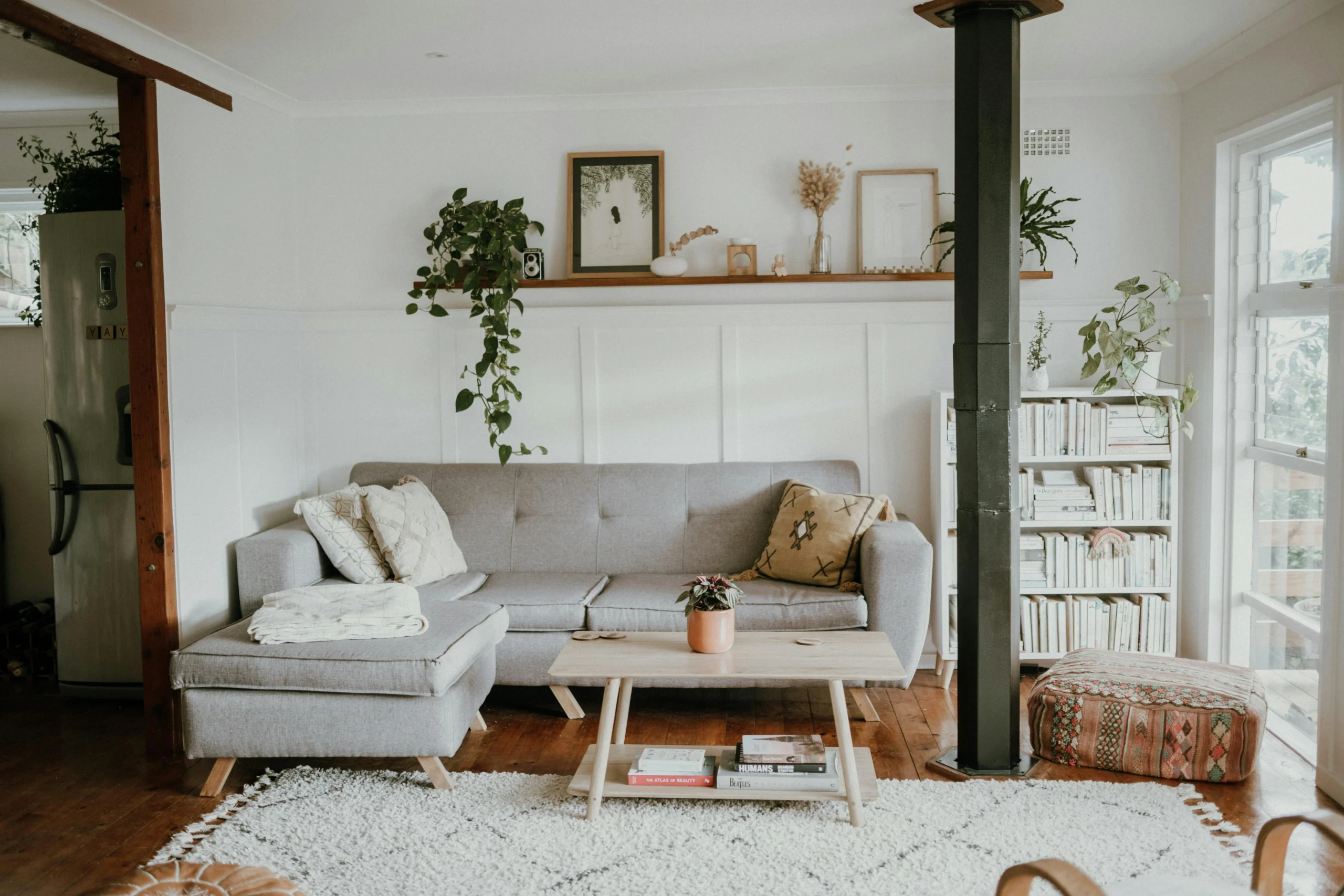
Imagine walking into a serene and inviting space that exudes warmth and coziness. This is the essence of Scandinavian home decor, a design aesthetic that has gained popularity worldwide for its emphasis on minimalism, functionality, and natural materials.
Nordic countries have long been celebrated for their unique approach to interior design, which combines simplicity with comfort. By incorporating elements like light woods, soft textiles, and plenty of natural light, you can create a welcoming atmosphere that feels both modern and timeless.
As you explore the world of Scandinavian home decor, you’ll discover how to bring this distinctive style into your own home, creating a space that is both beautiful and functional.
Table of Contents
The Essence of Nordic Design

Rooted in the harsh climate and cultural values of Scandinavia, Nordic design has evolved into a distinct style that emphasizes simplicity and connection to nature. This design philosophy is not just about aesthetics; it’s a way of living that reflects the region’s history and values.
Design Philosophy and Historical Roots
Nordic design is deeply rooted in the cultural and environmental context of Scandinavia. The harsh climate and long winters have influenced the development of a design style that prioritizes functionality, simplicity, and coziness. Historically, Nordic homes were designed to be warm and welcoming, using natural materials like wood and wool to create a sense of comfort and security. This historical context has shaped the minimalist home style that characterizes Nordic interior design today.
The emphasis on simplicity and functionality is also a reflection of the region’s cultural values, which prioritize practicality and modesty over opulence and extravagance. As a result, Nordic design has become synonymous with clean lines, minimal ornamentation, and a focus on functionality.
Why Scandinavian Style Endures
Despite the ever-changing design trends, Scandinavian style remains enduringly popular. One reason is its timeless appeal; Nordic design is not just a passing fad, but a way of living that emphasizes sustainability and simplicity. The focus on natural materials, minimalism, and functionality creates a sense of calm and serenity in the home, making it an attractive choice for homeowners seeking a peaceful living environment.
Moreover, Nordic design is highly versatile, allowing it to be adapted to various lifestyles and personal tastes. Whether you’re looking to create a cozy retreat or a modern, sleek living space, Scandinavian style offers a flexible framework that can be tailored to your needs. This adaptability, combined with its emphasis on sustainability and simplicity, ensures that Nordic design will continue to endure as a popular choice for homeowners.
Scandinavian Home Decor: Complete Style Guide
The Scandinavian approach to home decor is characterized by its emphasis on minimalism and connection to nature. This design philosophy is not just about aesthetics; it’s a way of living that values simplicity, functionality, and comfort.
Simplicity and Functionality
At the core of Scandinavian decor is the principle of simplicity. This means avoiding clutter and focusing on clean lines and minimal ornamentation. Functionality is also key, with furniture designed to serve multiple purposes. For example, a storage ottoman can provide a place to sit while also storing items like blankets or toys.
Connection to Nature
Scandinavian design often incorporates elements of nature, such as natural wood finishes and plants. This connection to the outdoors brings warmth and texture to a space, creating a cozy atmosphere. Hygge decorating tips often emphasize the importance of natural materials and textures to create a sense of comfort and well-being.
Quality Over Quantity Approach
Scandinavian decor prioritizes quality over quantity, focusing on a few, well-made pieces of furniture rather than a large number of cheaper items. This approach not only reduces waste but also creates a more thoughtful and intentional living space. Investing in scandinavian furniture that is both beautiful and durable is a key part of this philosophy.
Mastering the Scandinavian Color Palette
To master the Scandinavian look, understanding its color palette is crucial. The Scandinavian color palette is characterized by its simplicity, elegance, and functionality.
Working with Whites and Neutrals
The foundation of the Scandinavian color palette is its use of whites and neutrals. These colors create a sense of calm and serenity, making a space feel larger and more inviting. Soft whites, creamy beiges, and gentle grays are staples in Scandinavian design, providing a clean backdrop for other design elements.
Strategic Use of Accent Colors
While the base palette is neutral, Scandinavian design isn’t afraid to introduce accent colors to add depth and interest. Blues, greens, and yellows are commonly used to create a pop of color. These accents are used thoughtfully to prevent the space from feeling monotonous.
Creating Contrast with Black Elements
Black elements are used strategically in Scandinavian design to create contrast and add visual interest. Whether through furniture, fixtures, or accessories, black adds a touch of sophistication and helps to ground the space, creating a beautiful balance with the lighter neutrals.
Selecting Furniture for Nordic Interiors
Scandinavian design is renowned for its emphasis on functionality and simplicity, making the selection of furniture a critical aspect of creating a Nordic interior. The right furniture pieces not only enhance the aesthetic appeal of a room but also contribute to its functionality and comfort.
Iconic Scandinavian Furniture Pieces
Nordic interiors often feature iconic furniture pieces that have become synonymous with Scandinavian design. The Wishbone Chair by Hans Wegner and the Egg Chair by Arne Jacobsen are exemplary models that combine functionality with sleek design. These pieces are not only aesthetically pleasing but also embody the minimalist and functional ethos of Nordic design.
Wood Types and Finishes
The choice of wood type and finish is crucial in Scandinavian furniture. Woods like oak, pine, and beech are popular for their durability and natural beauty. The finishes range from light, natural stains to darker, more dramatic tones, allowing for a variety of styles within the Nordic aesthetic.
Space-Saving Solutions
Nordic design often incorporates space-saving solutions, particularly in smaller homes and apartments. Multi-functional furniture, such as storage ottomans and extendable tables, are staples in Nordic interiors. These pieces help maintain the clean, uncluttered look that is characteristic of Scandinavian design while maximizing the use of available space.
| Furniture Piece | Characteristics | Benefits |
|---|---|---|
| Wishbone Chair | Y-shaped design, minimalist | Combines functionality with aesthetic appeal |
| Storage Ottoman | Multi-functional, storage capacity | Saves space, maintains cleanliness |
| Extendable Table | Adjustable size, versatile | Accommodates varying needs, space-efficient |
The Art of Scandinavian Lighting
Scandinavian lighting design is renowned for its emphasis on natural light and layered illumination techniques. This approach not only enhances the aesthetic appeal of Nordic interiors but also contributes to the cozy and inviting atmosphere characteristic of Scandinavian homes.
Maximizing Natural Light
In Scandinavian countries, natural light is highly valued, especially during the long winter months. To maximize natural light, Nordic homes often feature large windows and light-colored window treatments that allow sunlight to penetrate deep into the living spaces. Using sheer curtains or blinds can help control the amount of light entering the room while maintaining privacy.
Layered Lighting Techniques
Layered lighting is a fundamental principle in Scandinavian lighting design. It involves combining different light sources to create a warm and inviting atmosphere. This can be achieved by using a mix of overhead lighting, table lamps, and floor lamps. Layered lighting not only provides flexibility but also allows for adjusting the lighting levels according to different activities and moods.
Statement Lighting Fixtures
Statement lighting fixtures play a crucial role in Scandinavian interior design, adding a touch of elegance and sophistication to the space. These fixtures are often designed with simplicity and functionality in mind, featuring clean lines and minimalist aesthetics. Choosing the right statement piece can elevate the overall look of the room and create a focal point.
Textiles and Materials in Nordic Design
The use of textiles and materials is a defining feature of Nordic design, contributing to its unique blend of simplicity and comfort. In Nordic interiors, textiles play a crucial role in adding warmth and coziness to the minimalist aesthetic.
Natural Fabrics and Textures
Nordic design often incorporates natural fabrics such as wool, linen, and cotton, which bring warmth and texture to a space. These materials are chosen for their durability and tactile qualities, enhancing the overall sensory experience of the environment. The use of natural textures like wood and stone further complements the textile elements, creating a harmonious and inviting atmosphere.

Adding Warmth Through Textiles
Textiles are used in Nordic design to add layers of warmth and comfort to a room. Throws, blankets, and rugs in soft, natural materials are commonly used to achieve this cozy effect. By incorporating these elements, Nordic interiors successfully balance the minimalist home style with hygge decorating tips that promote a sense of well-being and relaxation.
Furthermore, the strategic placement of textiles can help define different areas within an open-plan space, creating a sense of coziness and intimacy. This thoughtful use of textiles is a hallmark of Nordic design, making spaces feel both stylish and welcoming.
Creating Hygge in Your Home
The essence of hygge lies in its ability to make your home feel like a warm hug on a cold day. It’s about creating a cozy and comforting atmosphere that invites relaxation and togetherness. Hygge is a Scandinavian concept that has gained worldwide popularity for its emphasis on warmth and simplicity.
Designing Cozy Corners
To create hygge in your home, start by designing cozy corners that beckon you to sit and stay awhile. Use comfortable Scandinavian furniture like plush armchairs and sofas, and add layers of soft textiles such as throw blankets and pillows in calming colors.
Seasonal Adaptations
Hygge is not static; it adapts to the seasons. In winter, it’s about creating a warm and snug atmosphere with candles and fireplaces. In summer, it’s more about enjoying the outdoors and bringing natural elements into your home. Adjusting your decor and activities according to the season is key to maintaining hygge year-round.
Balancing Minimalism with Comfort
One of the challenges of creating hygge is balancing the Scandinavian minimalist aesthetic with the need for comfort and warmth. This can be achieved by incorporating natural materials and textures, and using a Scandinavian color palette that is both soothing and inviting. By striking this balance, you can create a home that feels both stylish and cozy.
Room-by-Room Scandinavian Styling Guide
From the living room to the bathroom, Scandinavian design principles offer a versatile and welcoming approach to home decor. By understanding how to apply these principles in each room, you can create a cohesive and inviting home.
Living Room Layout and Design
The living room is often the heart of the home, and in Scandinavian design, it’s all about creating a cozy and inviting space. Use a neutral color palette as your base, and then add pops of color through textiles and artwork. Consider comfortable seating options like plush sofas and armchairs, and don’t forget to incorporate natural elements like wood and plants.

Bedroom Tranquility
The bedroom should be a sanctuary, and Scandinavian design excels at creating peaceful retreats. Opt for a calming color scheme dominated by whites, creams, and soft grays. Invest in quality bedding and consider layering textiles like throws and rugs to add warmth and texture.
Functional Kitchen Design
Scandinavian kitchens are renowned for their functionality and simplicity. Focus on clean lines, minimal ornamentation, and a predominantly white or light color scheme to create a sense of brightness and space. Incorporate efficient storage solutions and consider the use of natural materials like wood for warmth.
Bathroom Simplicity
Bathrooms in Scandinavian design are characterized by their simplicity and functionality. Use a minimalist approach to decor, focusing on clean lines and a limited color palette. Incorporate natural light where possible, and consider using materials like stone or wood to add texture and warmth.
Budget-Friendly Scandinavian Decorating
You don’t have to spend a fortune to bring the simplicity and elegance of Scandinavian design into your home. With a few smart choices and DIY projects, you can achieve a minimalist home style that’s both stylish and affordable.
DIY Nordic-Inspired Projects
One of the best ways to save money on Scandinavian decor is by creating your own DIY projects. Simple tasks like painting old furniture white or making your own throw pillows with natural fabrics can make a big impact. Consider repurposing old items to fit your Nordic-inspired theme.
Where to Splurge vs. Save
When it comes to Scandinavian home decor, it’s essential to know where to splurge and where to save. Invest in quality pieces like a comfortable sofa or a sturdy wooden coffee table. For decorative items, consider thrift stores or second-hand shops.
Thrifting for Scandinavian Style
Thrifting is an excellent way to find unique, affordable pieces that fit the Scandinavian aesthetic. Look for simple, functional items made from natural materials. Here’s a comparison of thrift store finds vs. new items:
| Item | Thrift Store | New |
|---|---|---|
| Wooden Chair | $20 | $100 |
| White Throw Pillow | $5 | $20 |
By combining DIY projects, smart shopping, and thrifting, you can create a beautiful Scandinavian-inspired home without overspending.
Modern Interpretations of Nordic Design
Modern Nordic design is not just about aesthetics; it’s a blend of tradition and innovation. As the design world continues to evolve, Nordic design adapts, incorporating new elements while staying true to its roots.
Scandinavian Fusion Styles
Scandinavian fusion styles are redefining Nordic interior design by combining traditional Nordic elements with modern and global influences. This blend results in unique spaces that are both cozy and sophisticated. For instance, pairing Scandinavian furniture with bold, international patterns creates a fascinating contrast that adds depth to a room.
Contemporary Nordic Designers to Follow
The world of Nordic design is thriving, thanks to talented contemporary designers. Designers like Anderssen & Voll and Frederikke Mejdahl are pushing the boundaries of Nordic design, creating innovative and functional pieces that embody the spirit of Nordic interior design. Following these designers can provide inspiration for those looking to incorporate modern Nordic elements into their homes.
By embracing both Scandinavian fusion styles and the work of contemporary Nordic designers, homeowners can create spaces that are not only stylish but also deeply rooted in Nordic design principles.
Conclusion
Scandinavian home decor is more than just a design trend; it’s a way of living that emphasizes simplicity, functionality, and a deep connection to nature. By incorporating the Scandinavian color palette and hygge decorating tips into your space, you can create a warm and inviting atmosphere that feels both modern and timeless.
The key to achieving this look lies in balancing minimalism with comfort. Start by introducing natural textures and materials, such as wood and wool, into your decor. Then, focus on creating cozy corners and layered lighting to enhance the sense of hygge in your home.
As you’ve learned throughout this guide, Scandinavian design is all about embracing the essence of Nordic living. By applying these principles, you can transform your living space into a serene and welcoming retreat that reflects the beauty of Scandinavian style.
Read More: How to Create a Cozy & Airy Space with Neutral Scandi Boho Decor Essentials
FAQ
What is Scandinavian home decor?
Scandinavian home decor is a design style characterized by simplicity, functionality, and a connection to nature, often incorporating natural materials, minimal ornamentation, and a neutral color palette.
How can I achieve a Scandinavian look on a budget?
To achieve a Scandinavian look on a budget, consider thrifting for Scandinavian-style furniture, undertaking DIY Nordic-inspired projects, and being mindful of where to splurge versus save, focusing on quality over quantity.
What is hygge, and how can I create it in my home?
Hygge is a Danish concept that refers to a feeling of coziness, warmth, and comfort. To create hygge in your home, design cozy corners, make seasonal adaptations, and balance minimalism with comfort, incorporating elements like textiles, soft lighting, and natural materials.
What are some key elements of Scandinavian furniture?
Key elements of Scandinavian furniture include simplicity, functionality, and the use of natural materials, such as wood, often with a focus on clean lines, minimal ornamentation, and an emphasis on quality over quantity.
How can I incorporate Scandinavian design into a small space?
To incorporate Scandinavian design into a small space, consider using space-saving solutions, such as multi-functional furniture, and maximizing natural light, while maintaining a focus on simplicity, functionality, and a neutral color palette.
What is the role of color in Scandinavian design?
In Scandinavian design, color plays a subtle role, often featuring a predominantly white or neutral palette, with strategic use of accent colors to add visual interest, and creating contrast with black elements to add depth.
Can I mix Scandinavian style with other design styles?
Yes, Scandinavian style can be mixed with other design styles, such as creating a Scandinavian fusion style, which blends elements of Scandinavian design with other styles, like modern or traditional, to create a unique look.
How can I add warmth to a Scandinavian-style home?
To add warmth to a Scandinavian-style home, incorporate natural textiles, such as wool, sheepskin, or linen, and use layered lighting techniques, while maintaining a balance between minimalism and comfort.
What are some iconic Scandinavian furniture pieces?
Iconic Scandinavian furniture pieces include designs from renowned designers, such as Arne Jacobsen’s Egg Chair, Hans Wegner’s Wishbone Chair, and IKEA’s POÄNG chair, which embody the principles of Scandinavian design, such as simplicity, functionality, and a connection to nature.