

Thinking about making your own dishwasher soap? It’s actually pretty straightforward and can save you a bit of cash. Plus, you get to know exactly what’s going into it. We’ll walk through a simple way to mix up a batch that should work well for your dishes. It’s not complicated, and you probably have most of the stuff already.
Table of Contents
Key Takeaways
- Making your own dishwasher detergent is simple, often cheaper, and lets you control the ingredients.
- The basic recipe usually includes washing soda, borax, salt, and citric acid.
- Washing soda cleans and lifts grease, borax helps with residue, citric acid balances pH and fights hard water, and salt softens water.
- Mix equal parts washing soda and borax, then add half parts salt and citric acid. Store in an airtight container.
- For best results, rinse dishes before loading and consider using citric acid as a rinse aid if you have hard water issues.
Understanding the Core Ingredients
Making your own dishwasher detergent can feel a bit like a science experiment, but it’s actually pretty straightforward once you know what each ingredient does. Forget those complicated chemical names; we’re talking about simple stuff that gets the job done.
The Role of Washing Soda
This is your main cleaning powerhouse. Washing soda, also known as sodium carbonate, is a fantastic degreaser and stain remover. It’s alkaline, which means it’s great at breaking down grease and food bits. Think of it as the workhorse that tackles the tough stuff on your plates and pans. It’s the primary cleaning agent in most homemade dishwasher detergent recipes.
Borax for Residue Removal
Borax, or sodium borate, is another mineral that’s been used for cleaning for ages. It helps to soften water, which means your detergent can work more effectively, especially if you have hard water. It also acts as a bit of a booster, helping to lift away stubborn residue and grime. It’s like a little helper that makes sure everything gets properly clean.
Citric Acid for pH Balance
Now, this one might seem a little counterintuitive since we’re talking about cleaning, but citric acid is super important. It’s an acid, and while washing soda is alkaline, they actually work together in a specific way. Citric acid helps to prevent mineral buildup and can make your glassware sparkle. It’s often used as a rinse aid to keep things from looking cloudy. You can find it in powdered form, and a little goes a long way.
The Benefits of Salt
Adding a bit of salt to your homemade detergent might sound odd, but it serves a purpose, especially if you have hard water. Salt helps to further soften the water, preventing those annoying spots and film from forming on your dishes. It also helps to protect your dishwasher’s internal parts from mineral buildup over time. It’s a simple addition that can make a big difference in the final shine of your dishes.
Gathering Your Supplies
Alright, so you’ve decided to whip up your own dishwasher detergent. That’s awesome! It’s not as complicated as it sounds, and honestly, it feels pretty good to know exactly what’s going into your machine. Before we start mixing, let’s talk about what you’ll need.
Essential Cleaning Powders
This is where the magic happens. You’ll need a few key ingredients, and it’s best to get them from a place that sells cleaning supplies in bulk or even online. Sometimes, you can find these at your local grocery store or hardware store, but checking online might save you a few bucks.
- Washing Soda: This is your main cleaning workhorse. Make sure you grab washing soda, not baking soda. They look similar, but washing soda is much more alkaline and does a better job of cutting through grease and grime. You’ll typically need about 1.5 cups.
- Borax: This stuff is great for tackling tough stains and getting rid of any residue that might be left behind. It also helps with water softening. Aim for about 1.5 cups of this too.
- Citric Acid: This is a bit of a secret weapon. It helps balance the pH of the water and can even help break down hard water deposits, which is a lifesaver if you have tough water. You’ll want about 1/2 cup.
- Salt: Plain old table salt or kosher salt works fine here. It acts as a water softener, helping to prevent spots and streaks on your dishes. About 1/2 cup should do the trick.
Optional Additions for Scent
If you like your clean dishes to have a little scent, you can add a few drops of essential oil. Lemon, orange, or grapefruit oils are popular choices because they smell fresh and clean. Just a few drops (around 15-30 total) is usually enough. Don’t go overboard, though, as too much can sometimes leave a residue.
Choosing the Right Container
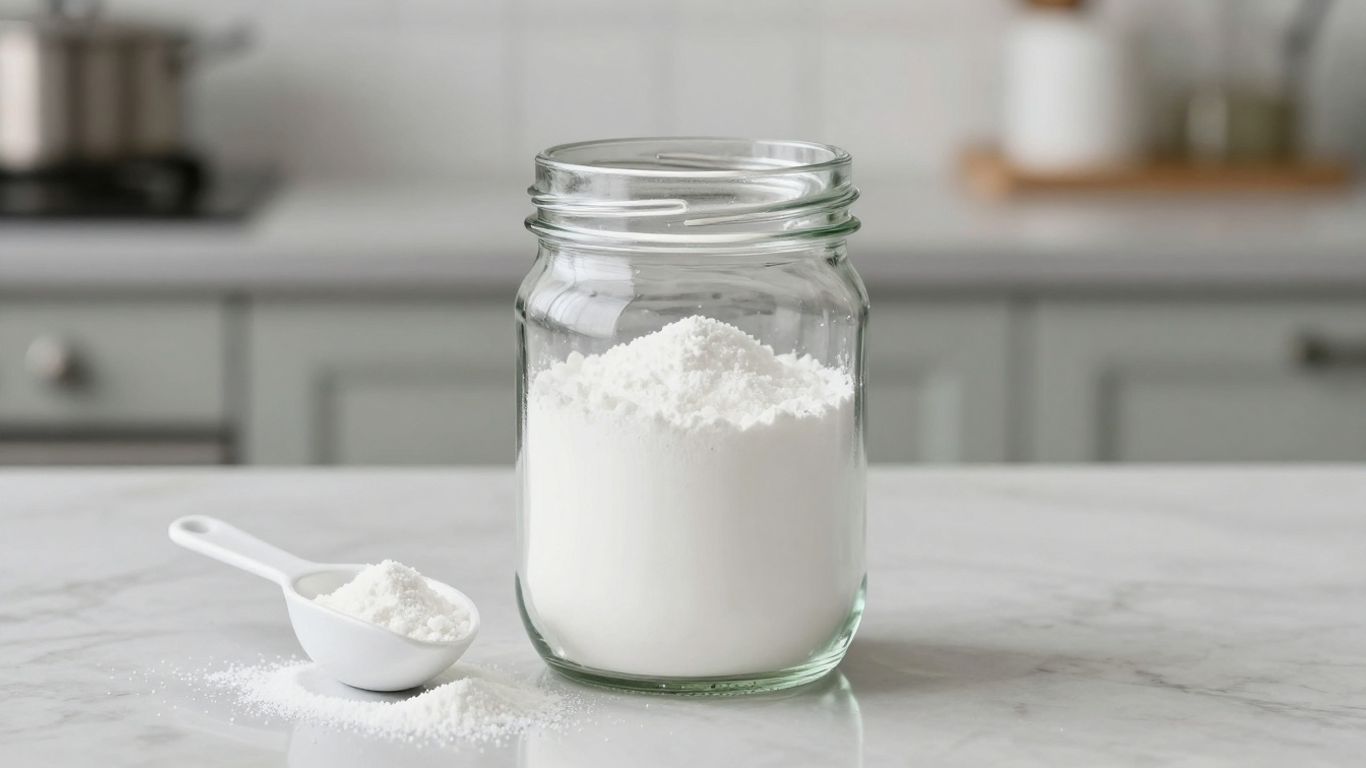
Once you’ve got your ingredients mixed, you need a place to store them. An airtight container is a must to keep moisture out and prevent clumping. A large mason jar with a tight-fitting lid works perfectly. Some people have had issues with their homemade detergent hardening up, so a good seal is really important. If you live in a humid area, you might even consider putting a small packet of silica gel or a bit of uncooked rice in a breathable pouch inside the container to absorb any extra moisture.
Storing your homemade detergent properly is key to its longevity and effectiveness. Exposure to air and moisture can turn your lovely powder into a solid brick, making it difficult to use. Always opt for a container that seals well and keep it in a dry place, like a cupboard away from the sink.
Crafting Your Homemade Dishwasher Detergent
Alright, let’s get down to business and actually make this stuff. It’s surprisingly simple, and honestly, kind of satisfying. You’ll be mixing a few common household powders, and the goal is to get them all nicely combined so they work together. The key is a uniform blend for consistent cleaning.
Mixing the Dry Ingredients
First things first, grab a clean bowl. You’ll want something big enough to mix everything without making a huge mess. Now, start adding your main players: washing soda and borax. A good starting point is equal parts of each. So, if you’re using 1.5 cups of washing soda, use 1.5 cups of borax too. Then, toss in about half a cup of salt and another half cup of citric acid powder. These are your cleaning powerhouses, working together to tackle grease and water spots.
Ensuring a Uniform Blend
This is where you want to be a little careful. Just dumping everything in and giving it a quick stir might leave you with clumps or uneven distribution. That’s no good for your dishwasher! Use a spoon or a whisk to really mix it all up. Break up any lumps you see. Some folks like to use a fine-mesh sieve to sift the ingredients together. This really helps make sure everything is evenly distributed, so you don’t end up with pockets of one ingredient or another. You want it to look like one consistent powder.
Storing Your Creation
Once you’ve got your perfectly blended detergent, you need to store it properly. Find an airtight container. A glass jar with a tight-fitting lid works great, or even a sturdy plastic container. The main thing is to keep moisture out. If your detergent gets damp, it can start to clump up, and nobody wants that. Store it in a cool, dry place, away from any humidity. This way, it’ll be ready to go whenever you need it for the next load of dishes.
A little tip: If you live in a really humid area, you might consider adding a small packet of silica gel or a bit of uncooked rice to your storage container. It’ll help absorb any extra moisture and keep your detergent from clumping.
Optimizing Your Dishwasher’s Performance
So, you’ve whipped up a batch of your own dishwasher detergent – nice job! But just having the detergent isn’t the whole story when it comes to getting those dishes sparkling clean. A few simple steps before and during the wash cycle can make a big difference. Think of it like prepping your ingredients before you start cooking; it just makes the whole process smoother and the end result better.
Preparing Your Dishwasher
Before you even think about loading the dishes, give your dishwasher a little TLC. Over time, gunk and residue can build up inside, which can affect how well your detergent works and even leave your dishes looking less than stellar. A quick clean-out can really help.
Here’s a simple way to give your machine a refresh:
- Vinegar Cycle: Place about a cup of white vinegar in a dishwasher-safe container (like a bowl or mug) and put it on the top rack. Run your dishwasher through a full hot water cycle. The vinegar helps break down any mineral deposits and general grime.
- Baking Soda Rinse: After the vinegar cycle is done, sprinkle about a cup of baking soda across the bottom of the empty dishwasher. Run another hot water cycle. This helps to deodorize and further clean the machine.
Doing this once a month or so can keep things running smoothly.
Proper Detergent Placement
Where you put your homemade detergent matters. Most dishwashers have a main detergent compartment and sometimes a pre-wash compartment. For homemade powdered detergents, the main compartment is usually the best spot. This compartment is designed to open partway through the cycle, releasing the detergent when it’s most needed for the main wash.
If your dishwasher has a separate pre-rinse compartment, resist the urge to fill it with your homemade detergent. This compartment releases its contents at the very beginning of the cycle, which can cause your detergent to wash away before it has a chance to do its job. Stick to the main compartment for the best results.
The Importance of Rinsing Dishes
Now, about those dishes themselves. While your homemade detergent is pretty effective, it’s still a good idea to give your dishes a quick rinse before loading them. This isn’t about pre-washing every speck of food off; it’s more about removing the big chunks.
- Prevents Clogging: Large food particles can get stuck in the dishwasher’s filter and spray arms, which can lead to poor cleaning and even damage over time.
- Reduces Streaks: Getting rid of excess food bits can help prevent residue from forming on your dishes, leading to a cleaner, streak-free finish.
- Helps Detergent Work: When the detergent doesn’t have to work overtime to break down large food masses, it can focus on the actual cleaning and sanitizing.
So, a quick scrape and rinse is a small step that pays off in cleaner dishes and a happier dishwasher.
Troubleshooting and Enhancements
Even the best homemade recipes can sometimes hit a snag. Don’t worry, most issues with DIY dishwasher detergent are pretty simple to fix. Let’s look at some common problems and how to make your detergent even better.
Addressing Hard Water Issues
If you have hard water, you might notice a white, chalky film on your dishes and glasses. This is usually mineral buildup. The good news is, there are a few ways to combat this.
- Increase Citric Acid: Sometimes, a little more citric acid in your mix can help break down those minerals. You could try adding an extra tablespoon or two to your next batch.
- Separate Citric Acid: Some folks have found success by putting citric acid in the pre-wash compartment and the main detergent in the main wash compartment. This keeps it from reacting too early with the washing soda.
- Dishwasher Salt: If your dishwasher has a compartment for it, using specialized dishwasher salt can make a big difference in tackling hard water. Just be sure it’s dishwasher salt, not regular table or sea salt, which can cause corrosion.
Using Citric Acid as a Rinse Aid
Vinegar is often suggested as a rinse aid, and it can work, but some people worry it might damage their dishwasher over time. Citric acid is a great alternative that’s gentler on your machine.
- How to Use: You can add a tablespoon or two of citric acid directly into the rinse aid dispenser. If your dispenser is designed for liquid, you might need to dissolve the citric acid in a little warm water first.
- Benefits: It helps prevent water spots and that cloudy film, leaving your dishes sparkling.
When Homemade Detergent Isn’t Enough
Sometimes, despite your best efforts, your homemade detergent might not be cutting it. This can happen for a few reasons:
- Tough Grease: Really baked-on food or greasy dishes might need a bit more oomph. You could try adding a small amount of a commercial dish soap (just a few drops!) to your homemade mix, or even using a bit in the pre-wash compartment.
- Dishwasher Design: Newer dishwashers use less water, which can sometimes mean not all the detergent gets rinsed away properly. You might need to adjust your recipe or how you use it.
- Ingredient Balance: The exact ratio of ingredients can sometimes be tricky. If you’re consistently having issues, you might need to tweak the amounts of washing soda, borax, or citric acid.
If you’re finding that your homemade detergent is consistently leaving dishes dirty or with a film, it might be time to re-evaluate the recipe or consider a hybrid approach. Mixing your homemade powder with a small amount of a trusted commercial detergent can often give you the best of both worlds: affordability and effectiveness.
Tips for Improvement:
- Prevent Clumping: Store your detergent in an airtight container. Adding a small packet of rice (like those found in shoe boxes) to the container can help absorb any stray moisture and keep the powder loose.
- Make Pods: If clumping is a big issue, try pressing the mixture into ice cube trays or small molds. Once hardened, you can pop them out and store them as individual “pods.”
- Adjust Ratios: If you notice residue, try slightly reducing the washing soda or borax. If dishes aren’t getting clean, you might need a bit more of one of those.
Maintaining Your Dishwasher
So, you’ve got your homemade dishwasher detergent working like a charm. That’s awesome! But to keep things running smoothly and your dishes coming out spotless, you gotta give your dishwasher a little TLC now and then. It’s not just about the detergent; the machine itself needs some attention.
Deep Cleaning Your Appliance
Think of this as a spa day for your dishwasher. Doing a deep clean every month or so can really make a difference. It helps get rid of any gunk that might be building up inside, which can affect how well it cleans your dishes. Plus, nobody wants a smelly dishwasher, right?
Here’s a simple way to give it a good scrub:
- Vinegar Cycle: Pop a dishwasher-safe bowl filled with about a cup of white vinegar onto the top rack. Run the dishwasher through a full hot water cycle. This helps break down grease and any lingering odors.
- Baking Soda Rinse: After the vinegar cycle, sprinkle about a cup of baking soda across the bottom of the empty dishwasher. Run another hot water cycle. This second step helps tackle any remaining residue and leaves things smelling fresh.
Preventing Buildup and Odors
Beyond the monthly deep clean, there are a few habits that can keep your dishwasher happy and odor-free day-to-day. It’s mostly about what you do before you even load the dishes.
- Scrape, Don’t Rinse (Mostly): While a quick scrape to get off big chunks of food is good, you don’t need to pre-rinse every single dish. Modern dishwashers and good detergent can handle most food bits. Too much pre-rinsing can actually make your detergent less effective.
- Check the Filter: Most dishwashers have a filter at the bottom. Give it a quick check and clean every week or two. Food particles can get trapped there and start to smell, or even clog things up.
- Leave the Door Ajar: After a cycle, if you’re not running another load right away, leaving the door slightly open can help the inside dry out. This is a simple trick to prevent that musty smell from developing.
Keeping your dishwasher clean isn’t just about aesthetics; it’s about performance. A well-maintained machine will clean your dishes better, last longer, and avoid those annoying smells that can creep up.
Remember, a little regular maintenance goes a long way in keeping your homemade detergent working its best and your dishes sparkling.
Wrapping Up Your DIY Dishwasher Detergent Journey
So there you have it! Making your own dishwasher detergent is pretty straightforward, right? It’s a nice way to cut down on costs and maybe use fewer chemicals you can’t pronounce. Plus, it’s kind of satisfying to know you whipped up something that actually works. Give it a try, and see how your dishes turn out. You might be surprised at how clean they get. And hey, if it doesn’t work perfectly the first time, don’t sweat it – sometimes these things take a little tweaking. Happy dishwashing!
READ MORE: Best Way to Wash Dark Clothes in 2026
FAQ
What are the main ingredients in homemade dishwasher detergent?
The most common ingredients are washing soda, borax, salt, and citric acid. Washing soda helps clean and soften water, borax helps remove tough spots and residue, salt also helps soften water, and citric acid balances the water’s pH to prevent spots and stains.
How much homemade dishwasher detergent should I use?
Typically, you’ll use about 1 to 2 tablespoons of the powdered mixture per load. For extra dirty dishes, you might need a little more. It’s best to check the specific recipe you’re using for exact measurements.
Can I add essential oils for scent?
Yes, you can add a few drops of essential oils like lemon or grapefruit to your mixture for a pleasant scent. Just make sure to mix them in well with the powders.
What if my dishes still have spots or film?
Spots or film can sometimes happen, especially with hard water. You can try using citric acid as a separate rinse aid by putting a tablespoon in the rinse aid compartment. Also, make sure you’re not overloading the dishwasher and that the water is hot enough.
How should I store my homemade dishwasher detergent?
It’s important to store your homemade detergent in an airtight container. This keeps moisture out and prevents the powder from clumping. Keep it in a cool, dry place.
Is vinegar a good rinse aid for my dishwasher?
Vinegar can help with rinsing and shine, but using it regularly in the rinse aid dispenser isn’t recommended. Over time, the acidity in vinegar can damage the rubber parts inside your dishwasher, like gaskets and hoses.