
Your dishwasher works hard to get your dishes clean, but sometimes it needs a little attention itself. Over time, food bits, grease, and mineral buildup can get stuck in the filter, making your dishwasher less effective and possibly a bit smelly. Don’t worry, though! Learning how to clean dishwasher filter is a straightforward process that can make a big difference in how well your machine runs and how clean your dishes come out. We’ll walk you through it.
Table of Contents
Key Takeaways
- Cleaning the dishwasher filter regularly helps prevent odors and keeps your machine working well.
- First, locate your dishwasher’s filter, usually at the bottom, and remove any large debris.
- Detach the filter according to your dishwasher’s manual and wash it thoroughly with warm water and soap.
- For tough smells or clogs, vinegar and baking soda can be helpful cleaning agents.
- Cleaning the filter about once a month is a good habit to maintain sparkling dishes.
Understanding Your Dishwasher Filter
Why Filter Cleaning Matters
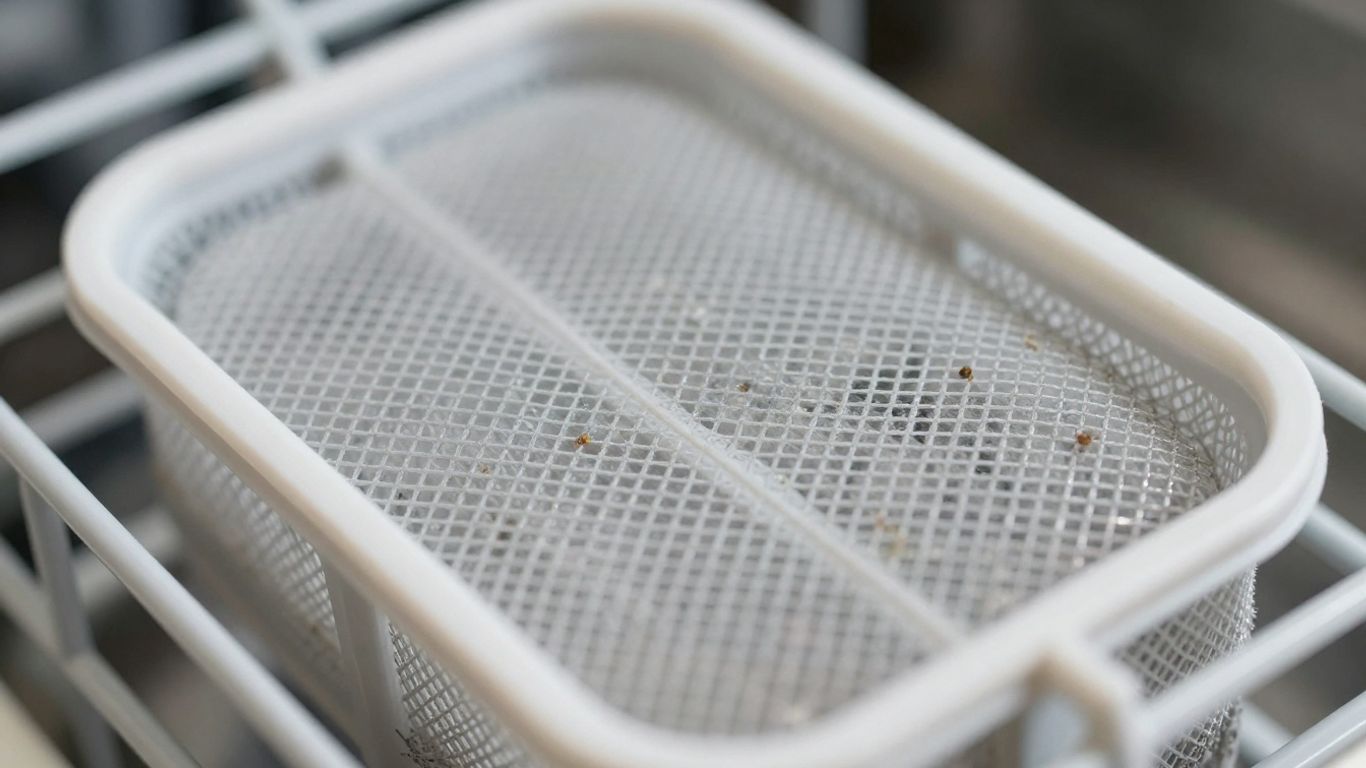
So, you’ve got a dishwasher, and it’s doing a pretty good job, right? But have you ever stopped to think about what’s inside it, working hard to get those plates clean? That would be the filter. This little guy is the unsung hero of your dishwasher’s cleaning operation. It’s designed to catch all the bits of food, grease, and other gunk that get dislodged during the wash cycle. Without a clean filter, all that debris can just get recirculated, ending up back on your dishes or, worse, clogging up your machine.
It’s like trying to swim in murky water – not very effective. Keeping it clean means your dishwasher can actually do its job properly, leading to genuinely sparkling dishes and preventing those weird smells that sometimes pop up. It’s a simple step that makes a big difference in how well your appliance performs. Think of it as giving your dishwasher a chance to breathe and work at its best. A clean filter is key to optimal performance.
Locating Your Dishwasher Filter
Alright, so where is this magical filter hiding? Most of the time, you’ll find it right at the bottom of your dishwasher. You know, down where the water jets are? You usually have to remove the bottom rack to get a good look. Once that rack is out of the way, look for a cylindrical piece, often with a mesh or a series of slots. Some dishwashers have a simpler, one-piece filter, while others have a more complex system with a coarse filter and a fine filter.
It really depends on the make and model. If you’re not sure, don’t guess! Your dishwasher’s manual is your best friend here. It’ll show you exactly what to look for and how to get it out without breaking anything. It’s usually pretty straightforward, but checking the manual is always a good idea, especially if you’ve never done it before.
Preparing for Filter Maintenance
Before you get your hands dirty with the actual cleaning, a little prep work goes a long way. It’s not complicated, but doing these few things first makes the whole process smoother and safer. Think of it as getting your tools ready before you start building something.
Gathering Necessary Supplies
You don’t need a whole workshop for this, just a few common household items. Having them ready means you won’t be stopping mid-clean to hunt for something. It’s always better to have them on hand.
- Soft cloths or sponges: For wiping down the filter and the area around it. Avoid anything too abrasive that could scratch.
- Old toothbrush or small brush: Great for getting into the nooks and crannies of the filter.
- Dish soap: Your everyday dish soap works perfectly for cutting through grease and grime.
- Warm water: For rinsing and general cleaning.
- Optional: White vinegar or baking soda: If you suspect odors or tougher buildup, these can be helpful.
Ensuring Dishwasher Safety
This is super important. You don’t want any accidental shocks or water damage. Always make sure the dishwasher is powered off before you start poking around inside.
- Turn off the power: The easiest way is to flip the circuit breaker that controls your dishwasher. If you’re not sure which one it is, you can turn off the main breaker for the kitchen, but be careful not to cut power to other essential appliances.
- Shut off the water supply: Most dishwashers have a small valve under the sink that controls the water. Turn this valve clockwise to shut off the water.
Taking these safety steps might seem like overkill, but it’s the responsible way to handle appliance maintenance. It prevents unexpected issues and lets you focus on the cleaning task at hand without worry.
Once you’ve got your supplies ready and the dishwasher is safely powered down and disconnected from the water, you’re all set to tackle that filter. It’s a small task that makes a big difference in how well your dishwasher performs.
The Step-by-Step Filter Cleaning Process
Alright, let’s get down to business with that dishwasher filter. It’s not the most glamorous job, but trust me, it makes a huge difference in how well your machine works and how clean your dishes come out. Think of it as giving your dishwasher a much-needed spa treatment.
Removing Visible Debris
First things first, you’ll want to open up your dishwasher and take a good look at the bottom. You’ll probably see some bits of food, maybe a stray popcorn kernel, or even a small piece of glass if you’ve had a mishap. Just grab these larger pieces with your fingers and toss them in the trash. This initial sweep prevents bigger chunks from clogging things up further down the line. It’s a quick step, but it sets you up for success.
Detaching and Cleaning the Filter
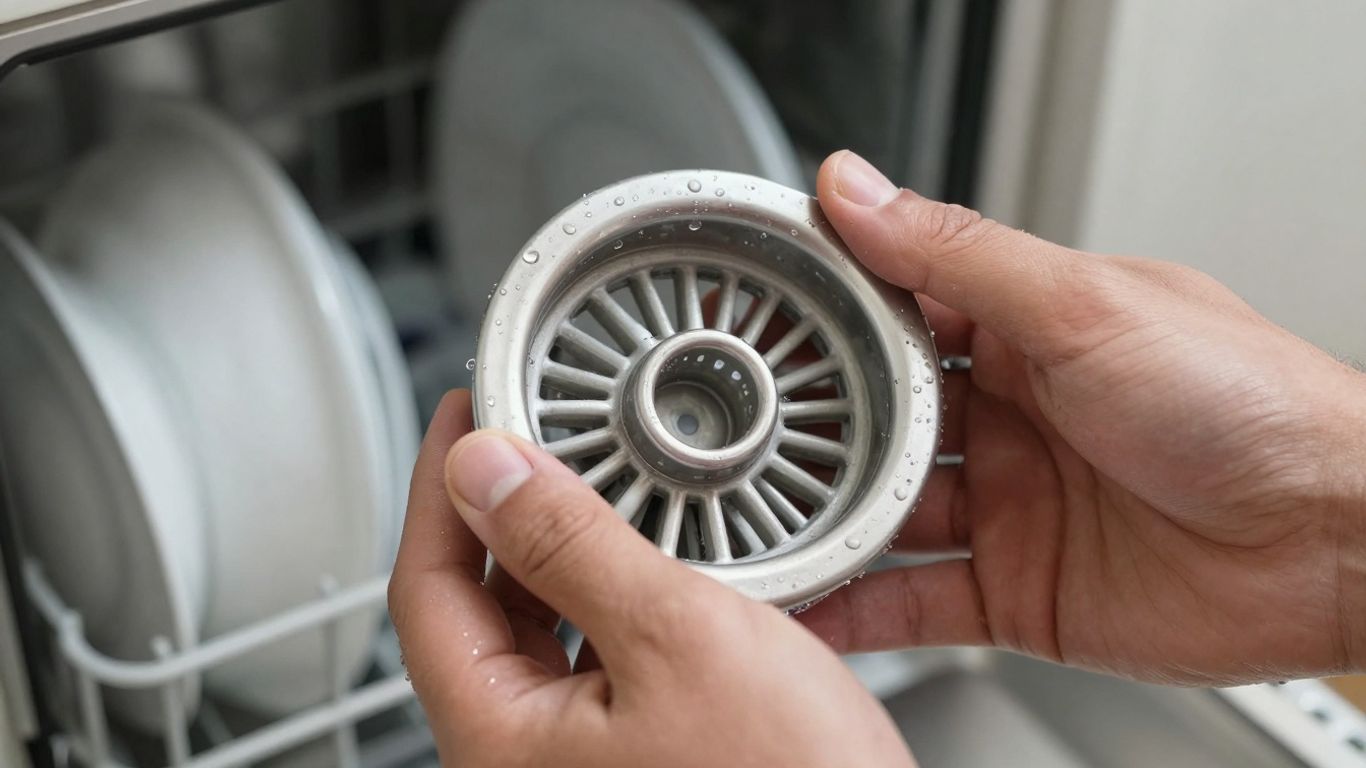
Now, for the main event: the filter itself. Most dishwashers have a filter system at the very bottom, often under the lower rack. It usually twists or pulls out. You might have a cylindrical filter and a flat mesh screen, or just one piece. Check your dishwasher’s manual if you’re unsure how yours comes apart – they can be a little tricky sometimes.
Once it’s out, take it to the sink. Use a soft brush (an old toothbrush works great!) and some warm, soapy water to scrub away any gunk. You’re looking to get rid of grease, food particles, and any other grime that’s built up. Don’t be shy with the scrubbing; this is where the real cleaning happens.
Rinsing and Reassembling
After you’ve scrubbed the filter clean, give it a good rinse under running water. Make sure all the soap and debris are gone. Now, carefully put the filter back into its spot in the dishwasher. It should click or twist securely into place. It’s really important that the filter is seated correctly; otherwise, it won’t do its job, and you could end up with debris circulating back onto your dishes. Once it’s back in, you can put the racks back in and close the door. Easy peasy.
Remember, this filter is the first line of defense against food particles and other gunk getting into your dishwasher’s pump and spray arms. Keeping it clean means your machine runs better and your dishes get cleaner.
Addressing Stubborn Clogs and Odors
Sometimes, even with regular cleaning, your dishwasher might develop a stubborn clog or start to smell a bit funky. Don’t worry, there are some simple household items that can help tackle these issues. It’s usually a sign that something is stuck in the filter or that grime has built up over time.
Using Vinegar for Deodorizing
White vinegar is a fantastic natural deodorizer and can help break down mineral deposits that might be contributing to smells. It’s pretty straightforward to use.
- First, make sure the filter is clean. If you haven’t already, remove and rinse it as described in the previous section. A clogged filter will prevent the vinegar from circulating properly.
- Pour about two cups of white vinegar into a dishwasher-safe container, like a glass measuring cup. Place this container upright on the bottom rack of your empty dishwasher.
- Run a normal wash cycle, but make sure to turn off the heat dry option. You don’t need to add any detergent for this step.
- Once the cycle is finished, the vinegar will have worked its magic, neutralizing odors and loosening up gunk.
Employing Baking Soda for Freshening
Baking soda is another kitchen staple that’s great for absorbing lingering odors and leaving your dishwasher smelling fresh. You can use it right after the vinegar treatment for an extra boost.
- After the vinegar cycle is complete, sprinkle about one cup of baking soda across the bottom of your empty dishwasher.
- Run another cycle, this time using hot water. Again, no detergent is needed.
These two steps, vinegar followed by baking soda, are a powerful one-two punch against dishwasher smells and minor build-up. They’re gentle on your machine but tough on odors.
If you notice persistent smells or clogs even after these treatments, it might be time to check your dishwasher’s manual for more specific cleaning instructions or consider a professional cleaning.
Maintaining Optimal Dishwasher Performance
Frequency of Filter Cleaning
So, how often should you really be getting in there to clean that filter? Most folks find that a good rinse and check every month or so does the trick. If you’re a heavy dishwasher user, meaning it’s running almost every day, you might want to peek at it more often, maybe every couple of weeks. It’s not a huge job, but it makes a big difference. Think of it like changing the oil in your car – you don’t wait until the engine seizes up, right? Same idea here. Keeping up with it means your dishwasher works better and lasts longer.
Recognizing Signs of a Clogged Filter
Sometimes, your dishwasher will give you hints that the filter needs attention. The most obvious sign is that your dishes aren’t coming out as clean as they used to. You might see food bits stuck on them, or they just look dull. Another clue is if your dishwasher starts to smell a bit funky, kind of like old food or mildew. That’s usually the filter trapping all sorts of unpleasantness. You might also notice that the dishwasher isn’t draining properly, leaving water at the bottom after a cycle. If you’re experiencing any of these issues, it’s a pretty good bet that your filter is begging for a cleaning.
Here’s a quick rundown of what to look out for:
- Dishes still have food particles on them.
- A lingering, unpleasant odor coming from the dishwasher.
- Water remaining in the bottom of the tub after a wash cycle.
- The machine seems to be running longer than usual or not cleaning effectively.
Don’t wait for a total breakdown. A little regular maintenance, like checking and cleaning the filter, can save you a lot of hassle and keep your appliance running smoothly for years to come. It’s a small task with a big payoff for your kitchen chores.
Keep That Sparkle Going!
So there you have it! Cleaning out your dishwasher filter might seem like a small thing, but it really makes a difference. No more weird smells or dishes that still look kinda grubby. Just remember to give it a quick check and clean about once a month, whether you use a special cleaner or just good old vinegar and baking soda. Your dishwasher will thank you, and you’ll get those sparkling clean dishes you’re aiming for, every single time. Happy washing!
Read Also: How to Remove Ink Stains from Fabric
FAQ
Why is cleaning my dishwasher filter so important?
Your dishwasher filter catches food bits and other gunk. If it gets too full, your dishwasher won’t clean as well, and your dishes might not come out sparkling. Plus, a dirty filter can make your dishwasher smell yucky.
How often should I clean the dishwasher filter?
It’s a good idea to check and clean your filter about once a month. Think of it like taking out the trash – you don’t want it to overflow!
What if I can’t find my dishwasher filter?
Most dishwashers have a filter at the bottom. You usually need to remove the bottom rack to see it. If you’re unsure, your dishwasher’s manual will show you exactly where it is and how to get it out.
Can I use regular soap to clean the filter?
Yes, a little bit of dish soap and warm water usually works great for cleaning the filter. Just make sure to rinse it really well afterward so no soap is left behind.
My dishwasher smells bad, what can I do?
A smelly dishwasher is often a sign of a clogged filter or general grime. Cleaning the filter is the first step. You can also try running an empty cycle with white vinegar or baking soda to help freshen things up.
What are the signs that my filter needs cleaning?
If your dishes aren’t getting clean like they used to, or if you notice a strange smell coming from the dishwasher, it’s probably time to check and clean the filter. You might also see bits of food stuck to your dishes after a wash.