
We’ve all been there, right? You’re cooking up a storm, feeling like a culinary genius, and then BAM! You look down and see that your favorite pot or pan has a seriously burnt-on mess. It’s enough to make you want to just throw the whole thing away. But before you do that, hold up! There are actually some pretty simple ways to get those burnt pans and pots looking like new again, without needing a whole cabinet full of harsh chemicals. Let’s get into how to clean burnt pans and pots the easy way.
Table of Contents
Key Takeaways
- Baking soda is a powerhouse for cleaning burnt pans, especially when made into a paste or combined with other items.
- Boiling water methods, sometimes with added agents like lemon or baking soda, can help loosen tough burnt-on food.
- Gentle solutions like overnight soaking or using specific pastes can be effective without damaging cookware.
- Innovative tricks, like using dishwasher tablets or even dryer sheets, can offer surprising results for burnt cookware.
- For exterior grime, sometimes a good old-fashioned scrub with an SOS pad is the most effective, though it takes effort.
Clean Burnt Pans and Pots
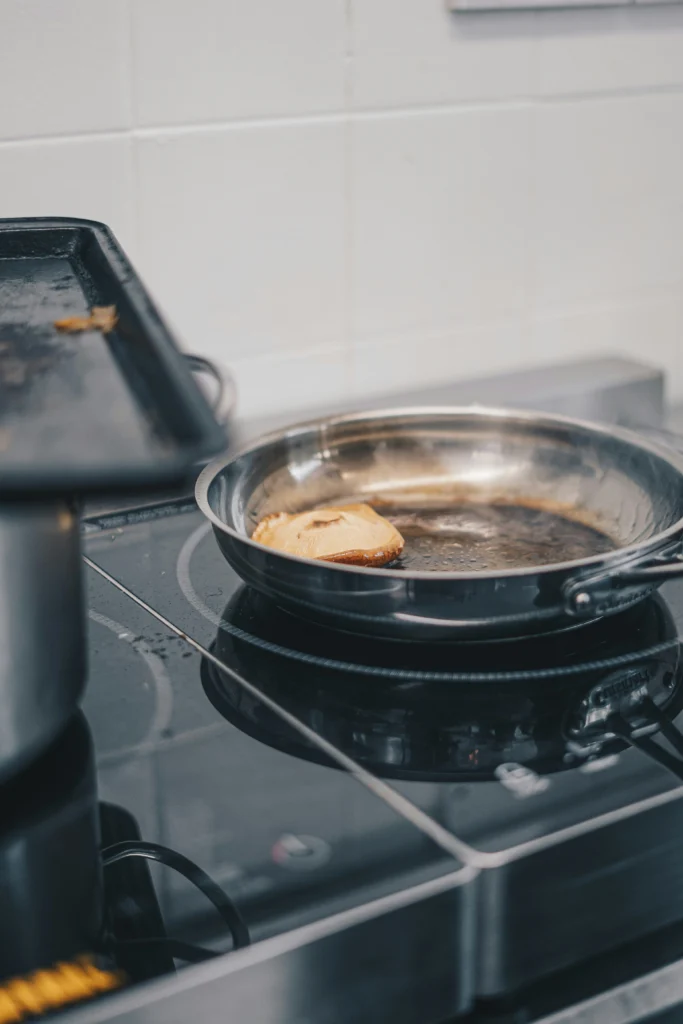
When your favorite pan gets that dreaded burnt-on mess, it’s easy to feel a bit defeated. But before you resign yourself to a new purchase or endless scrubbing, let’s talk about a kitchen staple that might just save the day: baking soda. This humble powder is surprisingly effective at tackling even the most stubborn burnt-on food.
Creating A Baking Soda Paste For Stubborn Burns
This is probably the most straightforward way to use baking soda. You just need a few things you likely already have in your kitchen. The key is to let the paste do most of the work for you.
Here’s how it’s done:
- Make the paste: Mix about 2-3 tablespoons of baking soda with just enough water to form a thick paste. You want it to be spreadable but not runny.
- Apply generously: Smear this paste all over the burnt areas of your pan. Make sure to cover everything that looks stuck on.
- Let it sit: Give the paste some time to work its magic. For light burns, 15-30 minutes might be enough. For really tough, caked-on messes, you might need to let it sit for a few hours, or even overnight.
- Scrub gently: Use a non-abrasive sponge or cloth to gently scrub the burnt areas. The baking soda should have softened the residue, making it easier to lift off.
- Rinse and repeat: Rinse the pan thoroughly with warm water. If some burnt bits remain, reapply the paste and let it sit longer, or try one of the other methods.
This simple paste method relies on the mild abrasive qualities of baking soda combined with its chemical properties to break down burnt food without damaging your cookware. It’s a gentle yet effective approach that often surprises people with its results.
The Aluminum Foil Scrubbing Technique
Want to give your scrubbing a little extra oomph without resorting to harsh tools? Aluminum foil can be your friend here. It’s surprisingly effective for scrubbing away softened residue. You can find a good overview of how to use aluminum foil for cleaning burnt pots.
- Prepare your pan: After applying the baking soda paste and letting it sit, you’re ready for the foil.
- Crumple the foil: Take a piece of aluminum foil and crumple it into a ball. Don’t make it too tight; you want some texture to help scrub.
- Scrub away: Use the foil ball to gently scrub the burnt areas. The baking soda paste will lubricate the surface, and the foil will help lift the stuck-on food.
- Rinse: Once you’ve scrubbed away the residue, rinse the pan thoroughly.
This method is great because it uses materials you already have on hand. Plus, it’s a fantastic way to reuse foil that might have been used for covering food.
Combining Baking Soda With Other Agents
While baking soda is powerful on its own, sometimes it needs a little help. Mixing it with other common household items can create even more potent cleaning solutions for those really challenging burns.
- Baking Soda and Dish Soap: For a bit more cleaning power, add a squirt of your favorite dish soap to the baking soda paste. This helps to cut through grease and grime more effectively.
- Baking Soda and Hydrogen Peroxide: For really tough, old burns, a mixture of baking soda and hydrogen peroxide can be a game-changer. Create a paste as usual, but use hydrogen peroxide instead of water. Let it sit for several hours or overnight. This combination is particularly good for stainless steel pans.
- Baking Soda and Vinegar (Use with Caution): While often recommended, mixing baking soda and vinegar directly creates a fizzing reaction that neutralizes both. It’s better to use them sequentially. You can try boiling water and vinegar first, then adding baking soda once it cools slightly, or vice versa. Be aware that the reaction can be quite vigorous, so do this in a well-ventilated area and be careful of overflow.
Effortless Cleaning With Boiling Water Methods
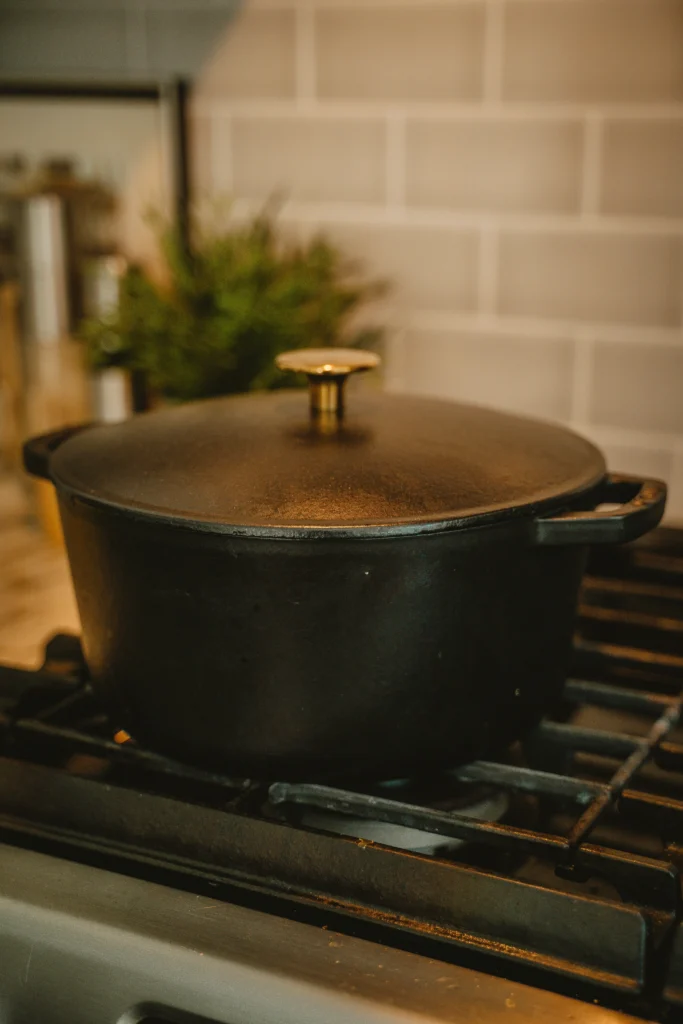
Sometimes, the most stubborn burnt-on messes just need a little help from heat and water. Instead of immediately reaching for the steel wool and risking scratches, try these simple boiling water techniques. They’re surprisingly effective and often require minimal scrubbing.
Boiling Water and Cleaning Paste
This method is great for those moments when you’ve scorched something a bit too much. It uses the power of boiling water to loosen things up before you even start scrubbing.
- Start by adding enough water to the burnt pot or pan to cover the damaged area. You don’t need to fill it to the brim, just enough to submerge the burnt bits.
- Add a tablespoon or two of your preferred cleaning agent. Baking soda is a classic choice here, but a bit of dish soap can also work.
- Place the pot on the stove over medium heat and bring the water to a gentle boil. Let it simmer for about 5 to 10 minutes. You’ll see the burnt bits start to lift and float.
- Carefully pour out the hot water. Once the pan has cooled enough to handle, use a sponge or a soft cloth to wipe away the loosened residue. For tougher spots, you might need to make a paste of baking soda and a little water and apply it directly before scrubbing gently.
This approach is all about letting the heat and water do most of the heavy lifting. It’s a good first step before resorting to more aggressive cleaning.
The Steam Cleaning Approach
Steam is a fantastic, natural cleaner. By trapping steam in your pot, you can soften even the most baked-on food.
- Fill the bottom of the burnt pan with about an inch of water.
- Place it on the stove over medium-high heat and bring it to a rolling boil.
- Once it’s boiling vigorously, cover the pan tightly with a lid.
- Let the steam work its magic for 10-15 minutes. Turn off the heat and let it sit, covered, for another 5 minutes.
- Carefully remove the lid (watch out for the steam!) and discard the water. Most of the burnt-on food should now be soft and easy to wipe away with a sponge.
Utilizing Lemon’s Natural Acidity
Lemons aren’t just for flavor; their citric acid is a surprisingly effective cleaner for burnt cookware. This method is particularly good because it leaves your kitchen smelling fresh.
- Cut two or three lemons into quarters.
- Place the lemon pieces into the burnt pan.
- Add enough water to cover the bottom of the pan by a couple of inches.
- Bring the water to a boil and let it simmer for about 5 to 10 minutes. You should start to see burnt particles lifting off the bottom.
- Carefully pour out the lemon water. Rinse the pan and use a soft sponge or cloth to wipe away any remaining residue. The acidity of the lemon juice helps break down the burnt-on mess, making it much easier to clean.
Gentle Yet Effective Cleaning Solutions
Sometimes, you don’t need a heavy-duty approach to get rid of burnt-on messes. These methods focus on being kind to your cookware while still getting the job done. They’re perfect for those times when you want to avoid harsh chemicals or just don’t have the energy for a serious scrub-down.
The Quick ‘n Brite Paste Method
This is a pretty straightforward way to tackle those annoying burnt bits. You just need a good cleaning paste, like Quick ‘n Brite, and a little bit of warm water. Apply a decent amount of the paste directly onto the burnt areas. Then, add just enough warm water to get the paste working. Let it sit for about 10 to 15 minutes. This gives the paste time to loosen up all that stuck-on gunk. After it’s had a chance to soak, grab a soft sponge – nothing too abrasive, we don’t want to scratch anything – and gently scrub the area. Rinse it all off, and you should see a big difference. It’s amazing how a little patience can save your pan.
Overnight Soaking With Cleaning Agents
For those really stubborn burns that just won’t budge, sometimes the best approach is to let time do the heavy lifting. You can use a variety of cleaning agents for this. A simple mixture of warm water and a good amount of dish soap can work wonders when left overnight. For tougher jobs, some people have had success with a dishwasher tablet dissolved in hot water, left to soak for several hours or overnight. Just make sure whatever you use is safe for your specific cookware material. The idea is to let the cleaning agent break down the burnt residue without you having to do much scrubbing.
Cleaning Stainless Steel Without Scratches
Stainless steel is great, but it can show scratches easily if you’re not careful. When cleaning burnt messes off stainless steel, always try to scrub with the grain of the metal, not against it. This helps minimize visible scratches. Start with gentler methods like the baking soda paste or boiling water techniques. If you need something a bit stronger, a paste made from baking soda and water, applied and left to sit, can be effective. For really tough spots, a non-abrasive scrub pad is your best friend. Avoid steel wool or harsh scouring pads that can easily mar the surface. Remember, a little care goes a long way in keeping your stainless steel looking good.
When dealing with burnt cookware, especially delicate materials like non-stick or certain types of stainless steel, always test a small, inconspicuous area first. This helps you gauge how the cleaning agent and your scrubbing technique will affect the surface before you commit to the whole pan.
Innovative Approaches To Burnt Cookware
The Dishwasher Tablet Trick
Sometimes, the most unexpected items in your kitchen can be your greatest allies against stubborn burnt-on messes. That’s where the humble dishwasher tablet comes in. These little powerhouses are designed to break down tough food residue, and they work wonders on cookware too. Simply place a dishwasher tablet in the bottom of your burnt pan, add a little warm water to cover the burnt area, and let it sit for a bit. For really tough jobs, you might need to gently scrape with the tablet itself (while wearing gloves, of course!) or let it soak for a while before scrubbing. It’s a surprisingly effective way to lift even the most baked-on gunk.
Exploring The Dryer Sheet Method
This one might sound a little out there, but hear me out. A dryer sheet, when soaked in warm water, can help loosen burnt food. The fabric softener in the sheet can act as a mild degreaser. Place a dryer sheet in the bottom of the burnt pan, fill it with warm water, and let it soak for at least an hour, or even overnight for tougher jobs. Afterwards, you should find that the burnt bits are much easier to scrub away with a sponge. It’s a gentle approach that doesn’t require much elbow grease.
Tackling Exterior Pan Grime
Often, we focus so much on the inside of a pan that we forget about the outside. Grime, grease, and burnt bits can build up on the exterior, especially on the bottom, making your cookware look less than stellar. For this, a paste made from baking soda and water is often your best bet. Apply it generously to the exterior, let it sit for about 15-20 minutes, then scrub with a non-abrasive sponge or cloth. For really tough exterior stains, you might need to repeat the process or try a specialized cleaner designed for cookware exteriors. Remember to rinse thoroughly and dry to prevent water spots.
Don’t underestimate the power of a good soak. For many burnt-on messes, especially on stainless steel, giving the pan time to sit with a cleaning solution can do most of the hard work for you. Patience is key here, allowing the agents to break down the burnt food without you having to resort to aggressive scrubbing that could damage your cookware.
So, What’s the Takeaway?
Look, nobody likes dealing with burnt pans. It’s a pain, and sometimes you just want to throw the whole thing out. But as we’ve seen, there are actually a bunch of ways to get those stubborn messes off without going crazy or using super harsh stuff. Whether you’re using a simple paste, some boiling water, or even just some baking soda and foil, you can probably bring that pan back to life. It might take a little time or a bit of scrubbing, but it’s totally doable. So next time you scorch something, don’t panic. Just pick a method that works for you and get that cookware looking good again.
READ ALSO: How To Clean Coffee Maker Thoroughly For The Best Brew
FAQ
What’s the easiest way to clean a burnt pot?
Often, the simplest method involves making a paste. Mix baking soda with a little water until it forms a thick paste. Spread this paste over the burnt areas and let it sit for a bit. Then, gently scrub with a soft sponge or cloth. For really tough spots, you can try using a crumpled-up ball of aluminum foil to scrub, but be gentle so you don’t scratch the pan.
Can I use baking soda and vinegar together?
Yes, you can! While they can neutralize each other if mixed directly, using them in steps can be effective. First, boil some water and vinegar in the pan. Then, after it cools a bit, add baking soda to make a paste and scrub. Just be aware that boiling vinegar can create a strong smell
Is it safe to use a dishwasher tablet to clean a pan?
Some people have found success using a dishwasher tablet. You can try scraping a tablet (without the wrapper) over the burnt areas. The tablet acts as a cleaner and scrubber. However, it’s best to use this method with caution and rinse the pan very thoroughly afterward. It’s also important to note that not all tablets work the same way
What about cleaning the outside of a pan?
Cleaning the outside bottom of a pan, especially if it has baked-on grease, can be tough. Often, you’ll need a good scrub pad and some elbow grease. For really stubborn grime, an SOS pad might be necessary, but be careful not to damage the pan’s finish.
Can I use these methods on non-stick pans?
When cleaning non-stick pans, it’s crucial to be gentle. Avoid abrasive scrubbers like steel wool or even aluminum foil. Stick to soft sponges or cloths. Methods involving baking soda paste or boiling water with gentle scrubbing are usually safe, but always check the manufacturer’s instructions for your specific pan.
What if a burn is really old and stubborn?
For very old or tough burns, patience is key. Sometimes, letting a cleaning solution sit longer is the best approach. You can try covering the burnt area with a baking soda paste or a specialized cleaner like Quick ‘n Brite and letting it soak overnight. This gives the cleaner more time to break down the burnt residue, making it easier to remove the next day.