
Life happens, right? Spills, smudges, and those mysterious marks that just appear out of nowhere. Before you toss that favorite shirt or worry about your couch, know this: you probably have what you need to fix it already sitting in your kitchen or bathroom. We’re talking about simple, effective DIY Stain Remover Recipes that can tackle a whole range of everyday messes without costing a fortune or exposing you to harsh chemicals. Get ready to become a stain-fighting pro with these easy-to-follow ideas.
Table of Contents
Key Takeaways
- Simple recipes using common household items like baking soda, hydrogen peroxide, and dish soap can effectively remove many types of stains.
- Different stains require different approaches; grease needs a good degreaser, while organic stains might benefit from peroxide’s bleaching action.
- Natural and non-toxic options are available, making them safer for households with pets and children, as well as for delicate fabrics.
- Quick fixes exist for common issues like marker on surfaces or rust spots, often involving items like rubbing alcohol or lemon juice.
- DIY stain removers can be tailored for specific items like carpets, mattresses, and clothing, offering cost-effective solutions for various cleaning needs.
Essential DIY Stain Remover Recipes
Sometimes, life just happens, right? A little spill here, a smudge there, and suddenly your favorite shirt or the living room rug looks like a Jackson Pollock painting. Before you panic or reach for those pricey store-bought removers, let’s talk about what you probably already have in your kitchen.
These simple, homemade concoctions are surprisingly effective and won’t break the bank. They’re great for those everyday oopsies that don’t necessarily need a super-specialized treatment.
The Classic Baking Soda and Peroxide Paste
This is a go-to for a reason. Baking soda is a mild abrasive and deodorizer, while hydrogen peroxide is a gentle bleach. Together, they make a paste that lifts many common stains.
How to make it:
- Mix about 1/4 cup of baking soda with 1/4 cup of hydrogen peroxide.
- Add a splash of water if needed to get a good paste consistency.
- Apply directly to the stain, let it sit for at least 30 minutes (or longer for tougher spots), then gently scrub and rinse.
This paste is particularly good for fabric stains like coffee, wine, or even some ink marks.
Dawn Dish Soap and Hydrogen Peroxide Powerhouse
Dawn dish soap is famous for cutting through grease, and when you combine it with hydrogen peroxide, you get a dynamic duo that tackles a wide range of messes, especially those with an oily component.
Recipe:
- Mix 2 parts hydrogen peroxide with 1 part blue Dawn dish soap.
- You can store this in a spray bottle for easy application.
Just spray it on the stain, let it work for a bit (maybe 10-15 minutes), and then wash as usual. It’s a lifesaver for food stains and general grime.
Vinegar and Baking Soda All-Purpose Cleaner
While not strictly a paste, this combination creates a fizzing reaction that helps lift dirt and grime. Vinegar is acidic and great for breaking down many types of stains, and the baking soda adds that scrubbing power.
Simple Steps:
- Sprinkle baking soda generously over the stained area.
- Drizzle white vinegar over the baking soda. It will start to foam.
- Let the fizzing action work for a few minutes.
- Gently scrub the area with a brush or cloth.
- Wipe clean with a damp cloth and let it dry.
This method is fantastic for general cleaning and can be used on various surfaces, not just fabrics. It’s a good option when you want something that smells a bit fresher too.
Remember, always test any homemade cleaner on an inconspicuous spot first, especially on delicate fabrics or colored surfaces, to make sure it doesn’t cause any damage or discoloration. Patience is key; sometimes a stain needs a little extra time to lift.
Tackling Tough Stains with Homemade Solutions
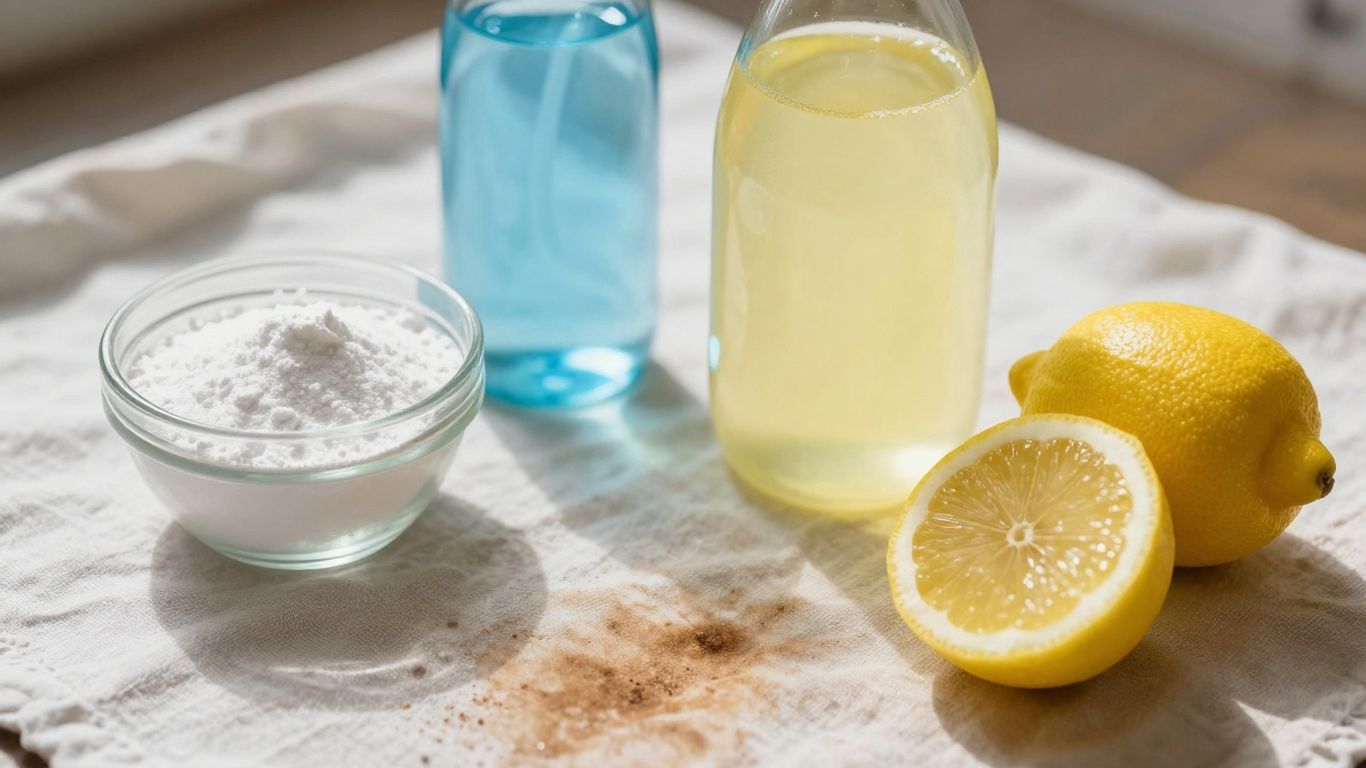
Sometimes, life throws a curveball in the form of a stubborn stain. Don’t panic! Many of the toughest messes can be dealt with using simple ingredients you probably already have in your kitchen or cleaning cabinet. Acting fast is usually your best bet, but even older stains can often be coaxed out with the right approach.
Conquering Grease and Oil Stains
Grease and oil can feel like a permanent fixture on fabric, but they don’t have to be. The key here is to break down that oily residue. Dish soap, especially the kind designed to cut through grease, is your best friend.
Here’s a go-to method:
- Blot, Don’t Rub: Gently blot up as much of the excess grease as possible with a clean cloth or paper towel. Rubbing can spread the stain.
- Apply Dish Soap: Squirt a generous amount of liquid dish soap directly onto the stained area. Work it in gently with your fingers or a soft brush.
- Let it Sit: Allow the dish soap to sit on the stain for at least 10-15 minutes. For really tough spots, you might let it sit longer.
- Rinse and Wash: Rinse the area with warm water, then wash the item as usual, preferably in warm water. Check if the stain is gone before drying; heat can set stains.
For extra power, you can create a paste with baking soda and water, apply it over the dish soap, let it dry, and then brush it off before washing. This adds a bit of scrubbing power.
Removing Food and Drink Spills
From spaghetti sauce to red wine, food and drink spills are common culprits. The approach often depends on the type of spill.
- For colored spills (like wine, juice, or berries): A mixture of hydrogen peroxide and a drop of dish soap can work wonders. Apply it to the stain, let it bubble for a few minutes, then rinse and wash.
- For tomato-based stains (like ketchup or pasta sauce): Start with cold water to rinse out as much as possible. Then, try a pre-wash stain remover or a paste of baking soda and water.
- For general food stains: A simple solution of equal parts white vinegar and water can often lift these. Spray it on, let it sit, and then wash.
Always test any cleaning solution on an inconspicuous area of the fabric first to make sure it doesn’t cause discoloration or damage. It’s a small step that can save you a lot of heartache.
Eliminating Mystery Blobs and Sweat Shadows
We’ve all had those “what is that?” stains, or the dreaded yellowing under the arms from sweat. These can be particularly frustrating because they’re often set-in.
For sweat stains, a soak in a solution of equal parts white vinegar and water before washing can help break down the buildup. For tougher yellowing, a paste made from baking soda, hydrogen peroxide, and a little bit of water can be applied directly to the affected area. Let it sit for a good hour, or even overnight for stubborn stains, before washing.
If you’re dealing with a “mystery blob,” try to identify its base (is it oily, protein-based, etc.?) if possible. If not, start with a gentle approach like dish soap and water, and escalate to stronger solutions if needed. Sometimes, a simple rub with a bar of soap before washing is surprisingly effective.
Natural and Non-Toxic Stain Removal
When you’re trying to keep your home clean without all the harsh chemicals, especially if you have little ones or pets running around, turning to natural and non-toxic stain removal methods is a smart move. It doesn’t mean you have to sacrifice effectiveness, though. Many common household items can work wonders on everyday messes.
Gentle Formulas for Delicate Fabrics
Delicate fabrics like silk, wool, or certain synthetics need a softer touch. Harsh chemicals can damage fibers, leading to discoloration or weakening. For these materials, it’s best to stick to very mild solutions. A good starting point is often a gentle soap, like a castile soap, diluted in water. Always test any cleaning solution on an inconspicuous area first to see how the fabric reacts. For instance, a simple mix of cool water and a tiny bit of mild liquid soap can often lift fresh spills without causing harm.
Low-Tox Cleaning for Homes with Pets and Children
Keeping a clean home when you have pets and children means dealing with a lot of unexpected messes. The good news is you can tackle these without worrying about exposing your family to strong fumes or residues. Many effective stain removers can be made from simple ingredients you likely already have in your pantry.
Here are a few ideas:
- Baking Soda Paste: Mix baking soda with a little water to form a paste. This is great for absorbing odors and lifting some stains from carpets or upholstery.
- Vinegar Solution: White vinegar diluted with water can be used as a spray for many surfaces. It’s good for neutralizing odors and can help break down certain types of grime.
- Lemon Juice: For some stains, especially rust or those on white fabrics, lemon juice can act as a natural bleaching agent. Just be sure to rinse thoroughly afterward.
Remember, even with natural cleaners, it’s always wise to test on a small, hidden area first. This helps prevent any unwanted surprises on your favorite rug or clothing item.
Herbal and Natural Remedy Approaches
Beyond the pantry staples, nature offers a surprising array of stain-fighting ingredients. Many traditional cleaning methods relied on plants and natural processes. For example, certain essential oils, when used sparingly and diluted, can add a cleaning boost and a pleasant scent. Some people also explore using things like soapwort or other plant-based cleaners, though these might require a bit more research and sourcing. The key is often understanding the properties of each natural ingredient and how they interact with different types of stains and fabrics.
Quick Fixes for Everyday Messes
Life happens, and sometimes it happens right on your favorite shirt or the living room rug. Don’t panic! You don’t always need a fancy store-bought cleaner for those little oops moments. Often, the simplest solutions are hiding in your pantry or medicine cabinet. We’re talking about those times when a coffee spill hits your white blouse or your kiddo decides the wall is a canvas. These are the quick fixes that can save the day without a trip to the store.
The Magic Eraser for Shoes and Surfaces
Magic Erasers, or their generic counterparts, are pretty amazing for scuffs and marks on all sorts of things. Think white sneakers that have seen better days, scuff marks on your baseboards, or even crayon on the wall (we’ve all been there!). They work like super-fine sandpaper, gently buffing away the mess. Just dampen the eraser, give it a gentle rub, and watch the marks disappear. It’s like magic, but it’s just science!
- How to Use:
- Wet the Magic Eraser sponge with water.
- Squeeze out any excess water.
- Gently rub the stained or scuffed area.
- Wipe the area with a clean, damp cloth to remove any residue.
Be a little careful on delicate surfaces, as too much scrubbing could potentially cause damage. Always test in an inconspicuous spot first if you’re unsure.
Rubbing Alcohol for Marker Stains
Did a rogue marker find its way into your child’s hand and onto your furniture or clothing? Rubbing alcohol is your best friend here. It’s surprisingly effective at breaking down ink. For fabric, dab the stain with a cotton ball soaked in rubbing alcohol. Work from the outside of the stain inward to avoid spreading it. For hard surfaces, you can apply it directly and wipe clean. It evaporates quickly, leaving no residue behind.
This is a lifesaver for those unexpected art projects that end up in the wrong place. It’s quick, it’s easy, and you probably already have it.
Lemon Juice and Baking Soda for Rust
Got a rust spot on your favorite gardening tool or maybe a stubborn rust ring on a countertop? This combo is surprisingly effective. The acidity in lemon juice helps to break down the rust, while the baking soda acts as a gentle abrasive to scrub it away. Make a paste of baking soda and lemon juice, apply it to the rust, let it sit for a bit (maybe 30 minutes to an hour), then scrub with a brush or cloth. Rinse thoroughly and dry. It’s a natural way to tackle those unsightly orange marks.
DIY Stain Remover Recipes for Specific Items
Sometimes, a general stain remover just won’t cut it. You’ve got specific items that need a little extra TLC, and knowing the right approach can save them from permanent damage. Let’s look at how to tackle stains on carpets, mattresses, and clothing.
Carpet and Upholstery Stain Solutions
Carpets and upholstery can be tricky because they’re absorbent and often can’t just be tossed in the wash. For general spills on carpets, a good starting point is a mixture of equal parts white vinegar and water. Spray it on the stain, let it sit for a few minutes, then blot with a clean cloth. For tougher spots, like pet accidents or wine spills, you might need something a bit stronger.
- For pet stains: Mix 1 cup of white vinegar with 1 cup of warm water and 1 tablespoon of baking soda. Apply to the stain, let it fizz, then blot. Follow up with a rinse of plain water and blot dry.
- For wine or colored spills: Blot up as much as possible first. Then, try a paste made from baking soda and a little water. Let it dry completely, then vacuum. If that doesn’t work, a solution of 1 part dish soap to 2 parts hydrogen peroxide can be effective, but test it on an inconspicuous area first.
Remember to always blot, not rub, to avoid spreading the stain or damaging the fibers. And for delicate upholstery, always check the manufacturer’s cleaning instructions.
Mattress Stain Removal Techniques
Mattresses are notorious for absorbing spills and body oils, leading to yellow stains and odors. The key here is to use as little liquid as possible to avoid soaking the mattress, which can lead to mold or mildew.
- For general yellowing or body oil stains: Mix a solution of equal parts hydrogen peroxide and water with a few drops of dish soap. Lightly spray the stained area (don’t saturate it). Let it sit for about 10-15 minutes, then blot with a clean, damp cloth. Sprinkle baking soda over the damp area, let it sit for several hours or overnight to absorb moisture and odors, then vacuum thoroughly.
- For urine or other organic stains: First, blot up any excess liquid. Then, use an enzyme cleaner specifically designed for pet stains or organic matter. These cleaners break down the odor-causing molecules. Follow the product instructions carefully.
Always allow your mattress to air dry completely before putting sheets back on. Good ventilation is your best friend when cleaning a mattress.
Clothing Stain Treatments
Clothing stains are probably the most common, and thankfully, often the easiest to deal with. The best approach depends on the fabric and the type of stain.
- Grease stains: Apply a good amount of dish soap directly to the stain. Gently rub it in and let it sit for at least 15 minutes before washing as usual. For really stubborn grease, you can try a paste of baking soda and water applied before the dish soap.
- Ink stains: For ballpoint pen ink, rubbing alcohol can work wonders. Place a paper towel under the stain and dab the stain with a cotton ball soaked in rubbing alcohol. Keep moving to a clean part of the paper towel as the ink transfers. Rinse and wash.
- Blood stains: Always use cold water for blood stains. Hot water can set the stain. For fresh blood, rinse with cold water and then soak in cold water with a bit of salt or hydrogen peroxide. For dried blood, a paste of baking soda and cold water can help lift it before washing.
For any clothing item, it’s a good idea to check if the stain is gone before putting it in the dryer, as the heat can make stains permanent.
Affordable DIY Stain Remover Ingredients
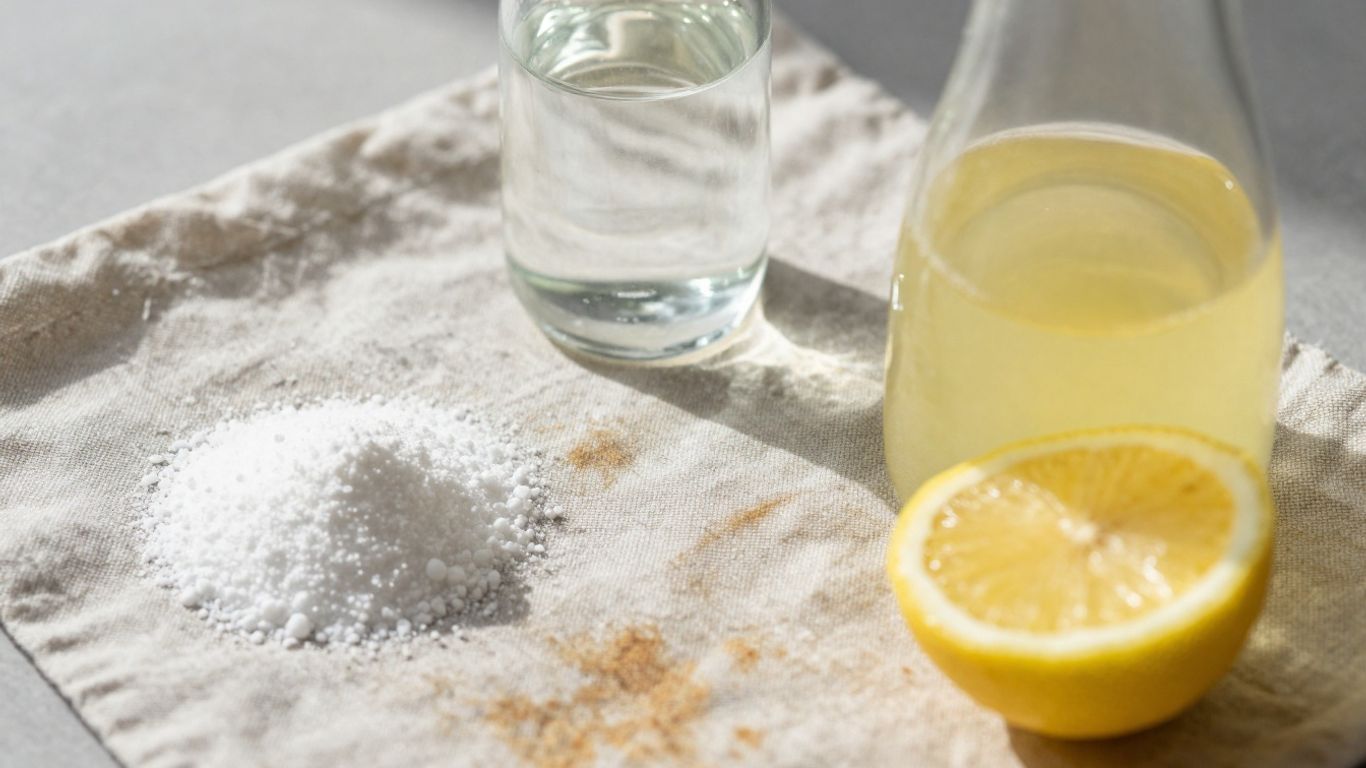
You don’t need fancy, expensive store-bought cleaners to tackle everyday messes. Many of the most effective stain removers are hiding right in your pantry or can be found for a few bucks at your local discount store. Getting rid of stains doesn’t have to break the bank.
Dollar Tree Cleaning Supply Dupes
Who knew you could find cleaning powerhouses for just a dollar or two? Dollar Tree often has surprisingly good dupes for pricier cleaning products. Keep an eye out for:
- Magic Eraser-style sponges: These are fantastic for scuffs on walls, shoes, and even some countertops. They work like a charm on marks that seem impossible to remove.
- Dish soap: While not a “dupe” in the traditional sense, a good bottle of dish soap is a cleaning staple, and you can usually find decent brands for cheap.
- Generic cleaning sprays: Sometimes you can find basic all-purpose cleaners that can be repurposed or used as a base for your own DIY concoctions.
Pantry Staples for Stain Fighting
Your kitchen is a treasure trove of stain-fighting ingredients. These common items are surprisingly effective and incredibly budget-friendly:
- Baking Soda: This mild abrasive and deodorizer is great for making pastes to lift stains. Mix it with water or hydrogen peroxide for a powerful punch.
- White Vinegar: A natural disinfectant and deodorizer, vinegar can break down many types of stains, especially those caused by food and drinks. Just be mindful of using it on delicate fabrics.
- Hydrogen Peroxide: A mild bleaching agent, it’s excellent for organic stains like blood or grass. It’s a key ingredient in many effective DIY stain removers, like the popular Dawn dish soap and hydrogen peroxide mixture.
- Salt: Can be used as an absorbent for fresh spills or as a gentle abrasive in pastes.
- Cornstarch: Similar to baking soda, it can absorb grease and lift stains when made into a paste.
Budget-Friendly Cleaning Hacks
Combining these affordable ingredients can create powerful cleaning solutions that rival commercial products. Here are a few ideas:
- Baking Soda Paste: Mix baking soda with a little water to form a paste. Apply it to the stain, let it sit for a while, then scrub and rinse.
- Vinegar Soak: For tougher fabric stains, try soaking the item in a solution of one part white vinegar to two parts water for about 30 minutes before washing.
- Dish Soap & Peroxide Spray: Combine equal parts blue Dawn dish soap and hydrogen peroxide in a spray bottle. Shake gently and spray directly onto grease or food stains. Let it sit for a few minutes before washing.
The beauty of using pantry staples is that you often have them on hand already. This means you can tackle a stain the moment it happens without a trip to the store, saving both time and money.
Remember, always test any DIY cleaner on an inconspicuous area of the fabric first to make sure it doesn’t cause discoloration or damage.
Keep Those Messes at Bay
So there you have it – a bunch of simple, effective ways to tackle those everyday spills and spots without reaching for harsh chemicals or expensive store-bought stuff. We’ve seen how common kitchen items can work wonders on everything from coffee drips to grass stains. Remember, a little baking soda, some dish soap, or a splash of peroxide can go a long way. Keep these recipes handy, and you’ll be ready for whatever life throws (or spills) your way. Happy cleaning!
Read Also: Best Way to Wash Dark Clothes in 2026
FAQ
What are the best everyday ingredients for DIY stain removers?
You probably have most of them already! Things like baking soda, vinegar, hydrogen peroxide, and dish soap are super common and work wonders on many stains. They’re easy to find and don’t cost much.
Can I use these DIY stain removers on all types of fabric?
Most of these recipes are safe for common fabrics like cotton and polyester. However, always test a small, hidden spot first, especially on delicate materials like silk or wool, to make sure it doesn’t cause damage or discoloration.
How long should I let a DIY stain remover sit on a stain?
It really depends on the stain and the recipe. For light stains, a few minutes might be enough. For tougher ones, letting it sit for 15-30 minutes, or even a few hours, can make a big difference. Some recipes even suggest leaving them overnight for really stubborn spots.
Are these DIY stain removers safe for kids and pets?
Many DIY recipes use natural ingredients that are generally safer than harsh store-bought chemicals. However, it’s still important to keep them out of reach of children and pets, and to rinse fabrics thoroughly after treatment to remove any residue.
What’s the best DIY stain remover for grease or oil?
Dish soap, especially a grease-cutting one like Dawn, is fantastic for oil and grease stains. You can often combine it with baking soda to make a paste that lifts the grease right out. Let it soak in for a bit before washing.
Can I make a big batch of DIY stain remover and store it?
Some mixtures, like a vinegar and water spray, can be stored in a spray bottle for a while. However, mixtures that include ingredients like hydrogen peroxide or baking soda might lose their effectiveness over time or react with the container. It’s often best to mix these types of removers right before you need them for the best results.